What this blog covers
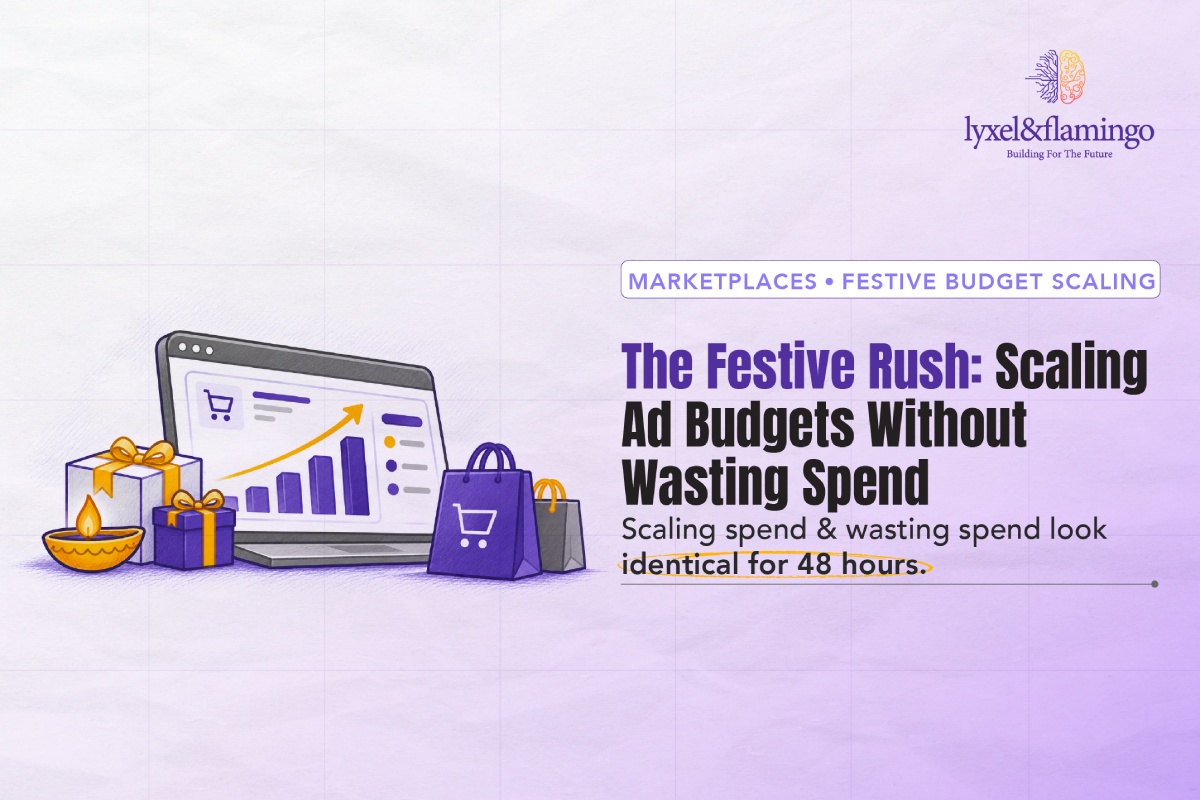
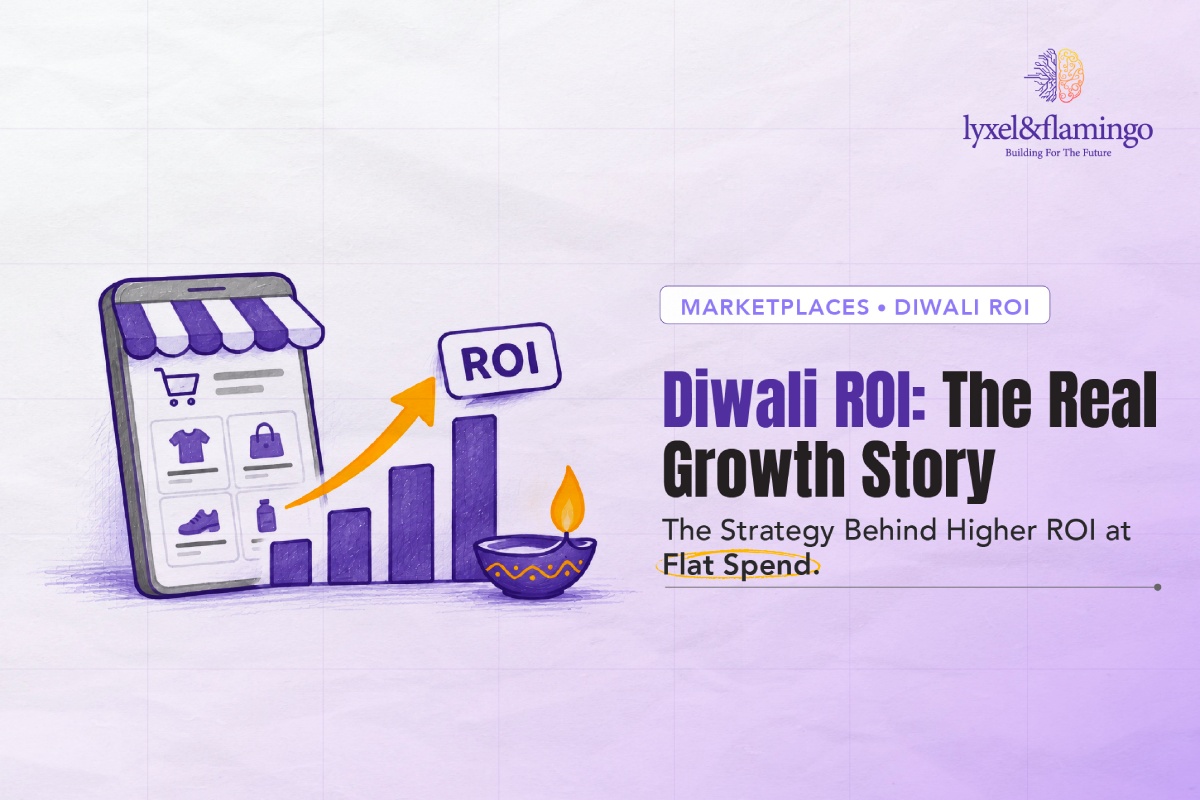
High-ROI Diwali advertising depends less on raising spend and more on matching creative, targeting, and measurement to the three phases a festive shopper actually passes through: pre-festive research, peak-sale conversion, and post-festive follow-through. This piece breaks down what changes in each phase, why generic “sale” creative underperforms gifting-specific creative, and how to measure ROI in a way that doesn’t quietly reward the wrong channel.
Quick Answer: High-ROI Diwali advertising treats the festive period as three distinct phases rather than one long sale window: a pre-festive research phase where shoppers are building consideration sets, a peak-conversion phase where price and availability dominate the decision, and a post-festive phase where retargeting and gifting-return traffic still convert at a meaningful rate. Gifting-specific creative, built around the occasion rather than a generic discount banner, consistently outperforms reused evergreen assets during the peak window. Measuring ROI against last-click day-of-sale revenue alone understates the channel mix’s real contribution, since a large share of Diwali purchase decisions start well before the sale itself opens.
Table of Contents
- Why Diwali ROI Breaks Normal Advertising Benchmarks
- The Three-Phase Diwali Funnel: Pre-Festive, Peak, Post-Festive
- Creative That Actually Converts During Gifting Season
- Retargeting the Browsers Who Didn’t Buy the First Time
- The Diwali High-ROI Advertising Framework
- Framework Explained
- Measuring ROI Beyond Day-Of Sales
- Key Takeaways
- CXO Takeaway
Why Diwali ROI Breaks Normal Advertising Benchmarks
A performance team used to steady, predictable monthly benchmarks often applies the same targeting and bidding logic to Diwali that works the rest of the year, and the results rarely match expectations in either direction: CPCs spike well beyond normal competitive levels, yet conversion rate also climbs for shoppers who were already planning to buy something, somewhere, during the festive window regardless of which brand wins the click.
This combination, higher cost per click alongside genuinely higher purchase intent, means a campaign judged purely on blended CPA against a normal-month baseline looks inefficient even while it’s capturing real incremental demand that simply costs more to reach during the highest-competition weeks of the year. The right CXO-level KPIs for festive sales look past blended CPA specifically to avoid this exact misread. The scale of the competition driving it is well documented: RedSeer’s festive-season ecommerce research highlights the substantial increase in festive ecommerce activity and the competitive pressures brands face during the sale window.
The Three-Phase Diwali Funnel: Pre-Festive, Peak, Post-Festive
Treating the entire festive period as one undifferentiated sale window is the single biggest strategic gap in most Diwali advertising plans. A shopper’s behavior, and the advertising that actually reaches them effectively, shifts meaningfully across three distinct phases.
The pre-festive phase, typically two to three weeks before the main sale dates, is a research and consideration phase: shoppers are browsing gift categories, comparing brands, and building a shortlist without necessarily buying yet. The peak phase, the main sale window itself, is where price, availability, and urgency dominate the decision for shoppers who already have a shortlist in mind. The post-festive phase, the days immediately after the main event, still carries meaningful purchase intent from shoppers completing gifting-related purchases or catching deals they missed the first time, a phase most brands stop advertising into entirely.
The peak phase specifically assumes inventory and Buy Box readiness are already locked in well before the sale opens, since no amount of peak-window creative recovers a sale lost to a stockout.
Creative That Actually Converts During Gifting Season
A generic “Diwali Sale, Up to 50% Off” banner, identical to what runs during every other sale event of the year with the word swapped out, consistently underperforms creative built specifically around the gifting occasion: festive packaging reveals, gift-pairing suggestions, and messaging that speaks to buying for someone else rather than purely for the shopper’s own use.
This matters because a large share of Diwali purchases are gifts, not personal buys, which changes what the shopper is actually evaluating: presentation, perceived value as a gift, and how confident they feel the recipient will like it, considerations a pure discount-percentage banner does nothing to address.
Sharper, purpose-built ad creative can help offset festive CPC pressure more effectively than raising bids alone, and gifting-specific creative is where that effect can show up most clearly during Diwali. That said, creative can only do so much: great advertising cannot fix a weak product listing, and a gifting-specific ad sending traffic to a listing with thin imagery or no lifestyle shots still converts poorly regardless of how well-targeted the creative was.
IAMAI’s research on Indian festive-season shopping behavior consistently shows gifting intent, not price alone, driving a large share of Diwali-period purchase decisions.
Retargeting the Browsers Who Didn’t Buy the First Time
A meaningful share of pre-festive browsers, the shoppers building a shortlist two to three weeks before the sale, never return organically once the peak sale window opens, simply because the moment passes and a competitor’s ad reaches them first. Retargeting this specific segment, rather than treating all site visitors identically, protects a browsing investment that would otherwise go to waste.
The post-festive window deserves its own retargeting push too: shoppers who abandoned a cart during the peak rush, when server load or payment friction was at its highest, may convert when retargeted within the following week, a recovery opportunity most brands stop pursuing the moment the official sale dates end. Bain & Company’s festive-season retail research has repeatedly flagged post-event retargeting windows as among the most underused, highest-return opportunities in the entire festive calendar, precisely because so few brands bother to keep advertising once the headline sale dates close.
The Diwali High-ROI Advertising Framework
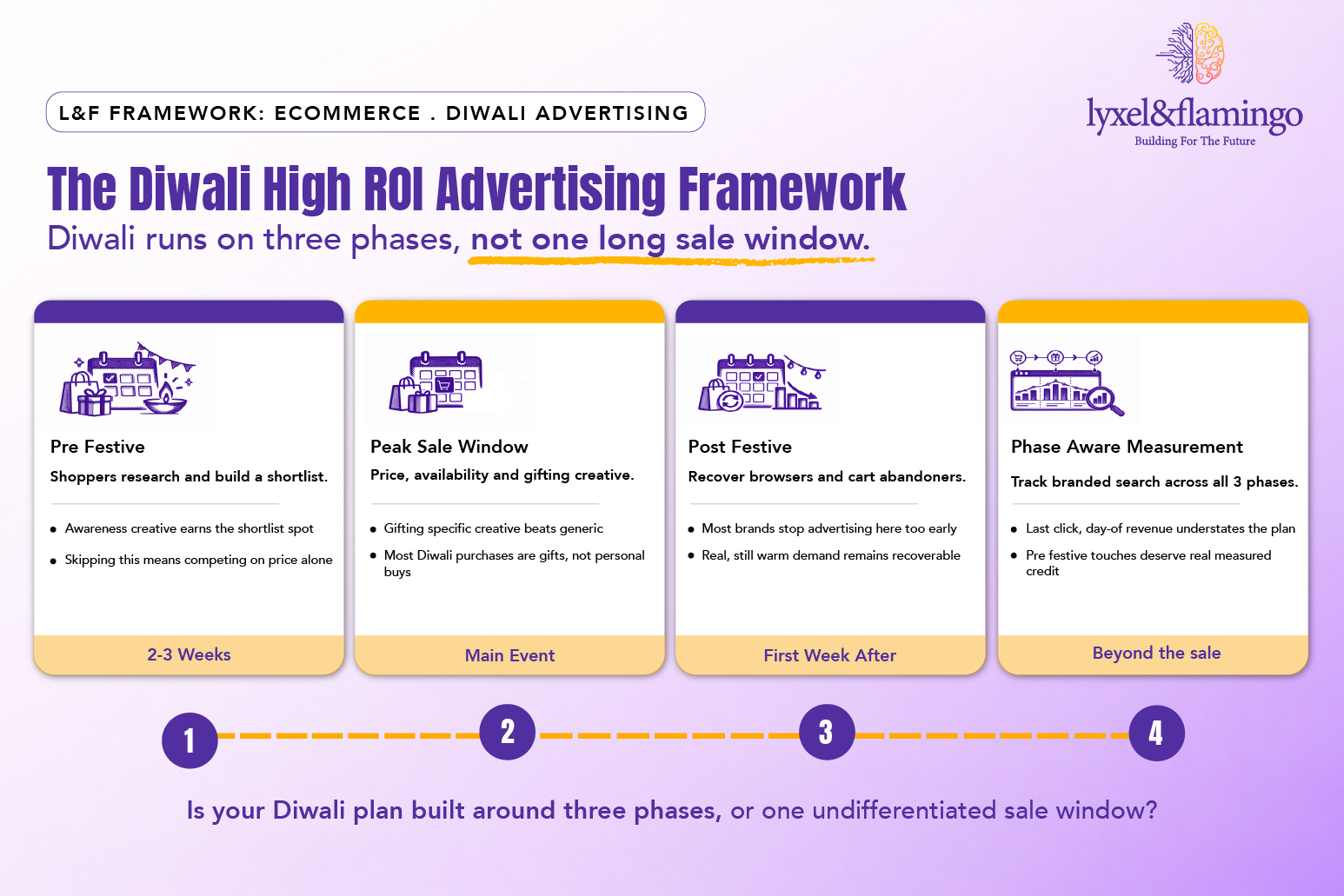
The table below maps the three Diwali phases against what actually drives ROI in each one.
Framework Explained
Pre-Festive: Advertising builds the shortlist a brand needs to be on before the peak window opens, and skipping it means competing purely on price once shoppers have already formed their shortlist elsewhere.
Peak Sale Window: Advertising needs gifting-specific creative to convert at the rate a generic discount banner cannot, since presentation and perceived gift value matter as much as price during this phase.
Post-Festive: Advertising recovers real, still-warm demand that most brands abandon the moment official sale dates close, leaving a meaningful share of recoverable revenue on the table.
Treating all three phases identically is the single most common reason a Diwali advertising plan underperforms its potential, regardless of total budget.
CAPABILITY NOTE: Lyxel&Flamingo’s performance and marketplace teams build phase-specific Diwali and festive-season advertising plans, from pre-festive creative through post-festive retargeting, as part of ongoing full-funnel and marketplace engagements. A dedicated case study isolating phase-by-phase Diwali ROI alone is not yet published, so this reflects an active strategic approach rather than a standalone proof point.
Measuring ROI Beyond Day-Of Sales
Measuring Diwali ROI purely against last-click revenue recorded on the actual sale days understates the real contribution of pre-festive advertising, since a shopper who saw a pre-festive awareness ad and converted during the peak window through a different, cheaper channel still owes that conversion partly to the earlier touch.
A simple fix that doesn’t require a full attribution overhaul: track branded search volume and direct traffic across all three phases alongside last-click revenue, since a lift in branded search during the pre-festive phase is a reasonably useful signal that awareness spend is building real demand the peak-window numbers alone would miss entirely. This same phase-aware discipline applies to channel mix decisions too: when to scale Sponsored Products, Sponsored Brands, video and DSP spend shifts across the three phases just as creative does, and a measurement approach that only looks at day-of revenue will systematically undercount the earlier-funnel channels doing real work.
Key Takeaways
- Diwali advertising benchmarks break from normal months because higher CPCs and higher purchase intent rise together, not separately.
- The festive period splits into three distinct phases, pre-festive, peak, and post-festive, each requiring a different creative and targeting approach.
- Gifting-specific creative can outperform generic discount banners during the peak sale window by addressing presentation and perceived gift value.
- Retargeting pre-festive browsers and post-festive cart abandoners can recover demand most brands stop pursuing too early.
- Measuring ROI against last-click, day-of-sale revenue alone understates the real contribution of pre-festive advertising.
CXO Takeaway
Is your Diwali advertising plan built around one long sale window, or around the three distinct phases a festive shopper actually moves through? The brands capturing the highest ROI usually invest in pre-festive consideration, gifting-specific peak creative, and post-festive retargeting as three separate, deliberate plays rather than one undifferentiated campaign. Lyxel&Flamingo’s performance marketing and full-funnel team builds festive advertising plans around exactly this three-phase structure.
Frequently Asked Questions
Two to three weeks before the main sale dates is a reasonable baseline for pre-festive awareness and consideration creative, well ahead of the peak conversion window.
Consistently, during the peak window specifically, since a large share of Diwali purchases are gifts and shoppers are evaluating presentation and perceived gift value, not price alone.
Yes. Post-festive retargeting of cart abandoners and pre-festive browsers who didn’t convert during the rush frequently recovers meaningful revenue most brands stop pursuing too early.
How should ROI be measured if last-click, day-of-sale revenue understates pre-festive spend?