


August 25, 2026
MedicAir



 Scroll Down to explore more
 Scroll Down to explore more
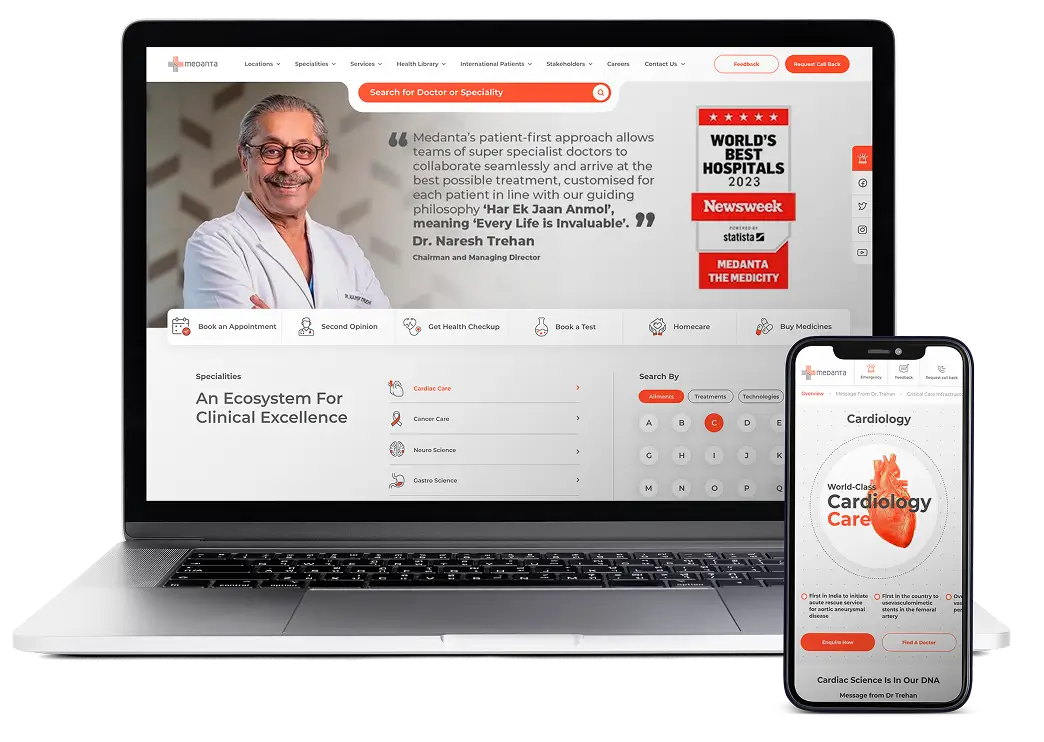

Over 350+ brands across healthcare, global QSR, enterprise B2B, D2C ecommerce, financial services, and hospitality have built and scaled their digital products with Lyxel&Flamingo, including Medanta, Taco Bell, Subway, and Medicair among many others. Not because we are the largest agency in the room, but because we operate as a single integrated practice rather than a studio that hands off to a growth team that hands off to an analytics vendor who has never seen the original brief.
Strategy, design, and engineering work as one team from day one. The person who wrote the brief is in the room when the tech stack is chosen. The designer building the UX flow knows what the developer will need to make it real. The commercial objective doesn't get lost in the handoff, because there is no handoff.
12+ years and over 350 live digital products across industries, from consumer ecommerce brands processing thousands of daily transactions to enterprise B2B platforms coordinating complex multi-user operations across regions. Not case studies written to impress. Work that is live, measured, and performing.
A website that converts acquisition traffic but loses the customer at onboarding isn't a success. It's a leaky bucket with flattering top-line metrics. We engineer the full commercial journey: from the first organic search result a user ever sees to the moment they become a customer who doesn't think twice before returning.
There is no default stack and no templated brief at Lyxel&Flamingo. Every engagement begins with what the business needs to be true in three years, then works backward to determine what we build today. The stack follows the objective. The architecture follows the growth curve. Not the other way around.

The right tool is not the newest tool. It is the one that solves the specific problem without creating three new problems six months from now. No-code website development when speed to market is the binding constraint. Full-scale custom web application development when business complexity demands it. The technology follows the objective, every time, without exception.






It’s great working with your agency, the team is always supportive and cooperative with us. It's been more than 3 years since ... read more

Our association with Lyxel&Flamingo began after we witnessed their website development work for Taco Bell India. As a digita ... read more

Meeting intangible customer service expectations is always a challenge, and showing differentiation in the market was the primar ... read more

The biggest reason why we are fond of working with the Lyxel&Flamingo team is because they never abandon our requirements, a ... read more

Our collaboration with Lyxel&Flamingo has always been an exciting journey. The range of their capabilities is very extensive ... read more

It’s been a great experience working with Lyxel&Flamingo. The briefs and queries have been noted with utmost care and deli ... read more
Lyxel&Flamingo team takes up each task as an internal project. They work with the utmost detail and perfection, with complet ... read more
I Would Like To Thank And Appreciate The Lyxel&Flamingo Team For The Extended Support They Offer To Maintain Our Website. Th ... read more


Working with the Lyxel&Flamingo team to develop our website was an exceptional experience. Their expertise and dedication sh ... read more

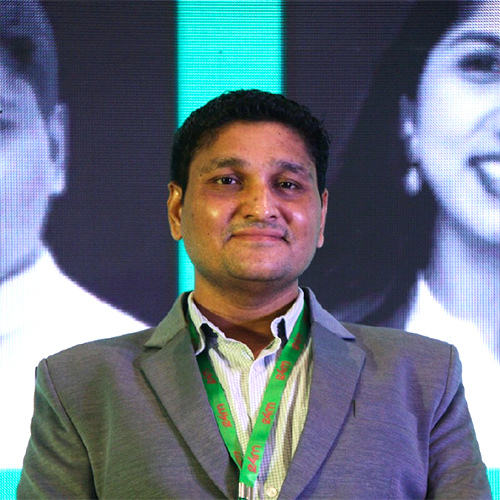
It’s great working with your agency, the team is always supportive and cooperative with us. It's been more than 3 years since we are working with Lyxel&Flamingo, and are always on top of everything.
Our association with Lyxel&Flamingo began after we witnessed their website development work for Taco Bell India. As a digital marketing company with expertise in web solutions, we brought them onboard to help us design and develop the website for Taco Bell Australia. Now, as our global partners, they’ll be responsible for the design and development of websites for us across other international markets, including Japan, Netherlands, Indonesia, Malaysia, and Kuwait. I must commend them for their strong understanding of both design and technology, as well as their rock-solid work ethics and readiness to go the extra mile to deliver great quality work each time. It’s just the beginning of what seems like a long and mutually rewarding journey together.
Meeting intangible customer service expectations is always a challenge, and showing differentiation in the market was the primary requirement. It was not easy to develop an app fine-tuned to our complex business needs. We demanded an app with high-end functionality and simple usage, and the best digital marketing agency Lyxel&Flamingo, made it happen. The developers at Lyxel&Flamingo have not only showcased their in-depth understanding of the app development process and their versatility in designing apps for different platforms (Android and iOS) but have also played the role of consultative partner. It's not only the end product and result that have impressed us but also the communication, support, and maintenance services. Given the chance, we will gladly recommend Lyxel&Flamingo and partner with them again in the future.
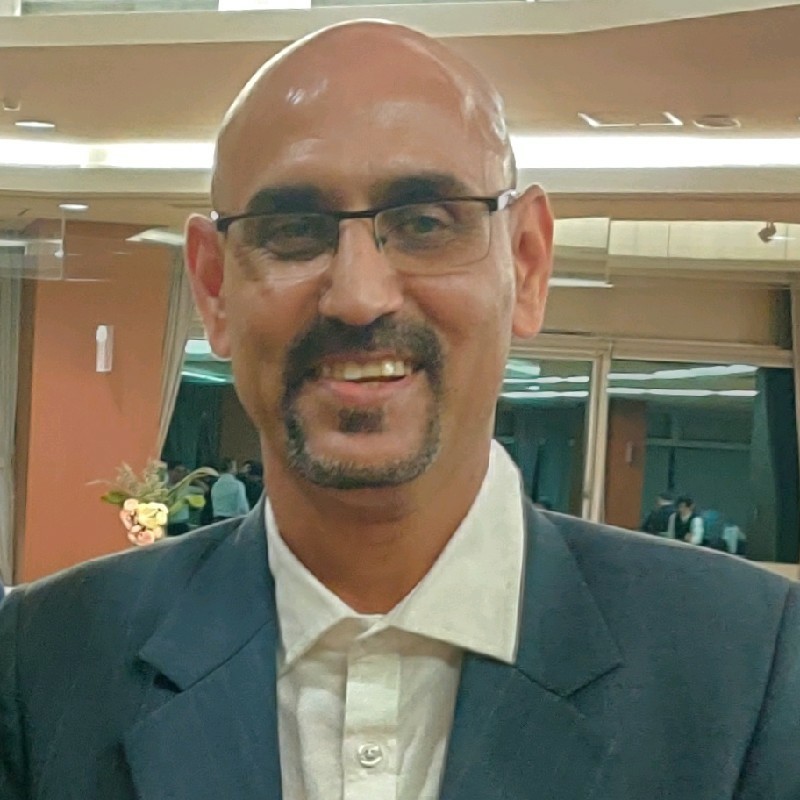
The biggest reason why we are fond of working with the Lyxel&Flamingo team is because they never abandon our requirements, and don’t give up until we are satisfied with the results. Their sense of responsibility cannot be replaced. We recommend L&F to all corporations; they will never fail your projects.
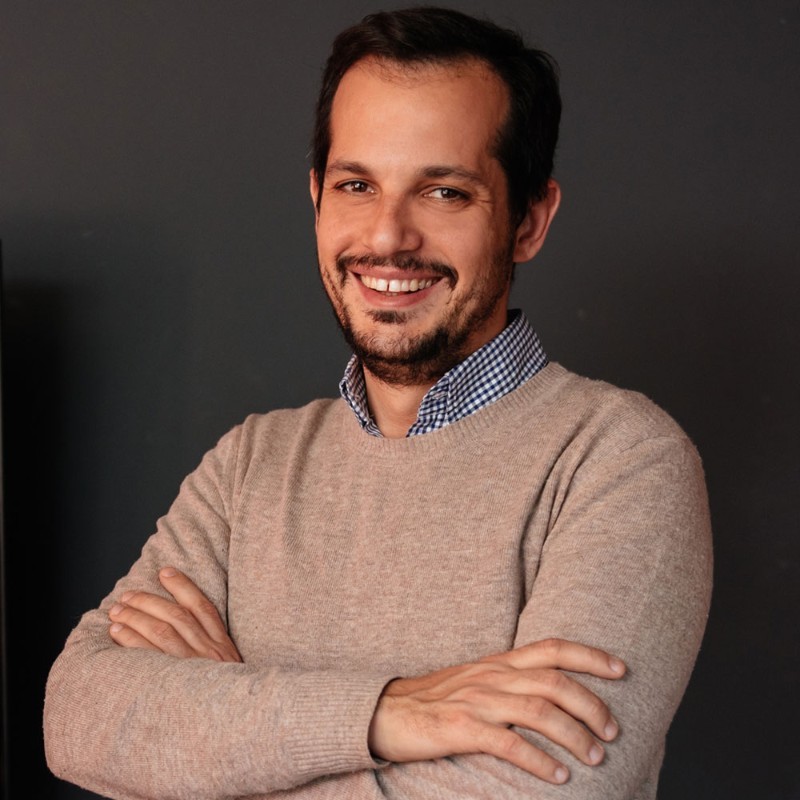
Our collaboration with Lyxel&Flamingo has always been an exciting journey. The range of their capabilities is very extensive, and hence they help our organization in multiple fronts, like web design and development, creatives design, performance marketing, and many more. All in all, the combination of the strong knowledge of the people along with the friendliness in our communications makes L&F the ideal agency to work with!
It’s been a great experience working with Lyxel&Flamingo. The briefs and queries have been noted with utmost care and delivered with high proficiency. I appreciate the constant availability of the team and their sincerity toward the deliverables.
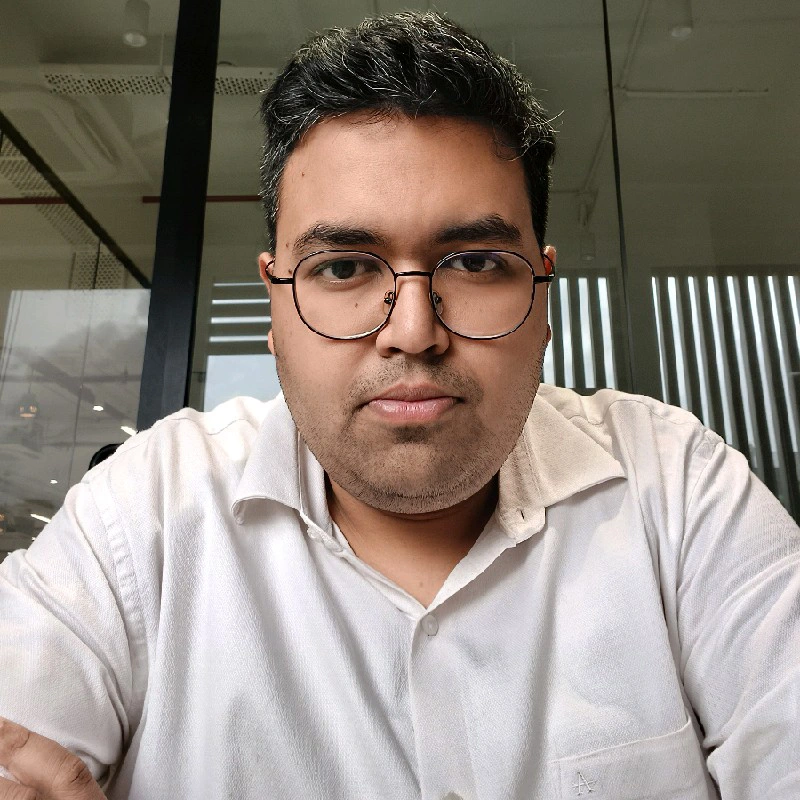
Lyxel&Flamingo team takes up each task as an internal project. They work with the utmost detail and perfection, with complete professionalism. Every work, communication, and piece of information is meticulously documented at each stage. The team was in touch with us regularly for any updates on the work activity and went the extra mile to complete a few other tasks that weren't part of the project. They are professionals with whom you want to work.
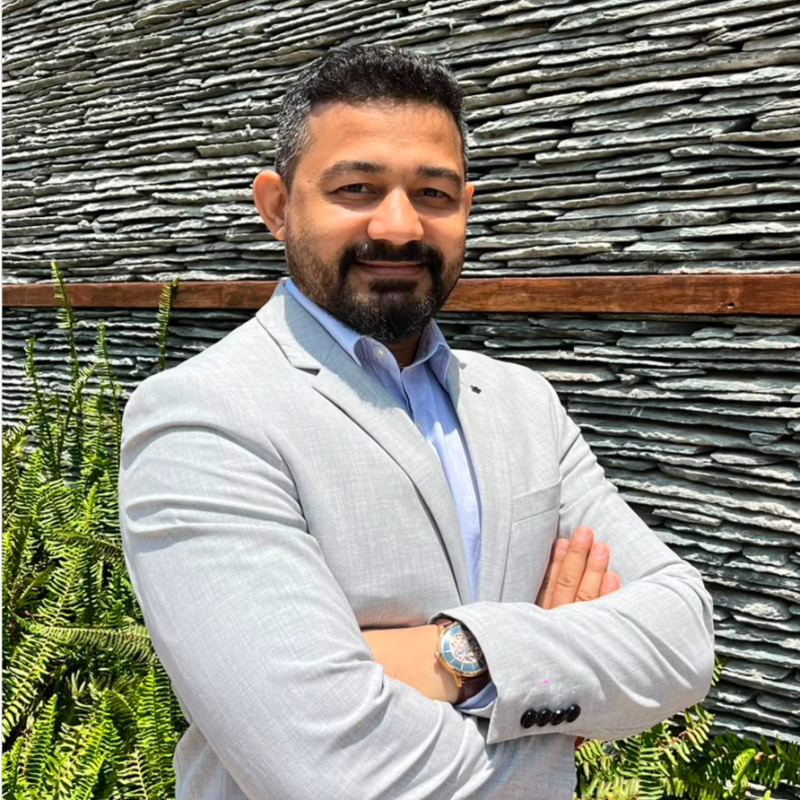
I Would Like To Thank And Appreciate The Lyxel&Flamingo Team For The Extended Support They Offer To Maintain Our Website. Their Team Treats Every Task Assigned Professionally. They Conduct A Proper Discussion For Every Task To Ensure Future Benefits. Lyxel&Flamingo Team Is Very Focused And Sincere In Their Work And Can Easily Understand The Client's Requirements; Even In Cases Of Urgency, Their Team Is Always Available. Each Task Is Accomplished With Utmost Professionalism And Sincerity.
Working with the Lyxel&Flamingo team to develop our website was an exceptional experience. Their expertise and dedication shone through every step of the process, resulting in an outstanding website that exceeded our expectations. From the initial conceptualization to the final execution, their attention to detail and commitment to excellence was evident. Their professionalism and clear communication made the entire journey seamless and enjoyable. We couldn't be happier with the end result and would highly recommend the Lyxel&Flamingo team to anyone in need of top-notch web development services.
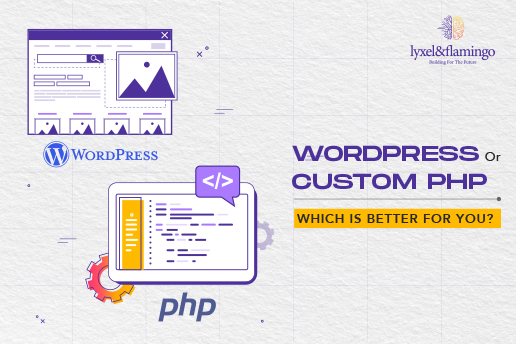


Custom web development means building a website or application entirely from scratch, with the architecture, design system, and codebase built specifically for one brand’s unique requirements. A template-based build adapts a pre-made framework such as a WordPress theme or Shopify template to fit the brief. The core difference lies in the performance ceiling: custom builds carry no inherited structural constraints, while template builds trade customisation for speed and lower upfront cost. For brands whose digital requirements outgrow what a template can accommodate, custom development is the more reliable long-term investment.
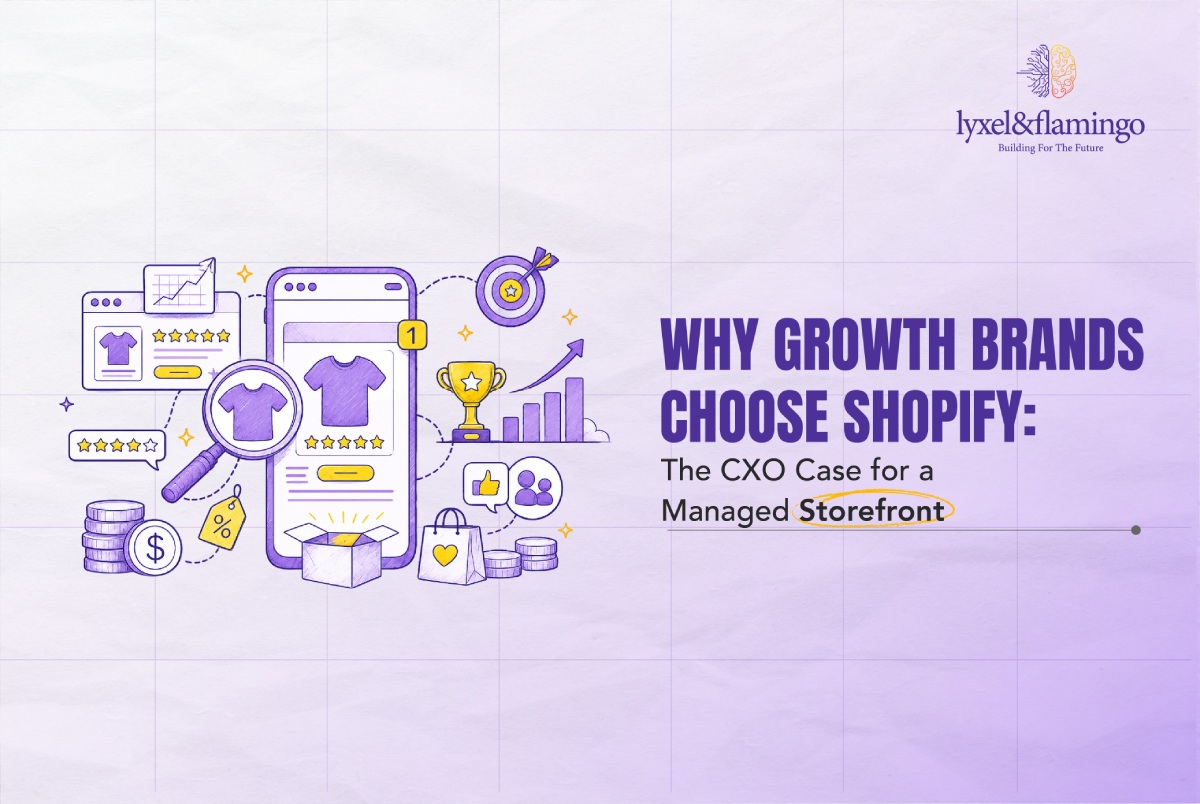
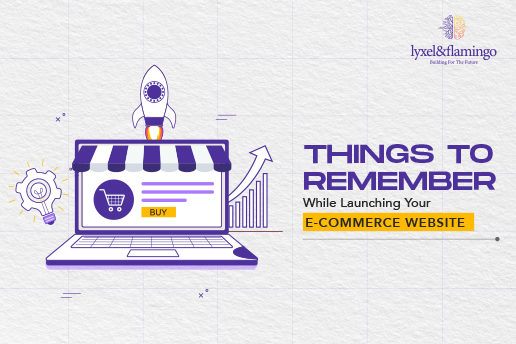
Shopify is the most widely adopted tech stack for D2C ecommerce websites, offering managed infrastructure, a mature app ecosystem, and payment gateway integrations out of the box. For brands requiring customised checkout logic or deep enterprise system integration, a headless setup using Shopify Hydrogen or a custom API layer will be more appropriate. The right stack always matches the brand’s transaction volume, team capacity, and three-year growth roadmap, not just the current launch requirement. Technology decisions made at launch directly determine what the business can and cannot achieve at scale.
Shopify suits brands that want speed to market, predictable hosting, and a managed ecosystem – typically D2C brands under significant complexity thresholds. WooCommerce suits content-heavy brands already on WordPress who want commerce as an extension of editorial. Custom builds suit enterprises with unique logic – multi-vendor marketplaces, B2B pricing engines, complex subscription models. The decision is rarely about features; almost every platform can be made to do almost anything. The real question is total cost of ownership over three years – including agency fees, developer hours, plugin costs, and the speed at which your team can ship changes.
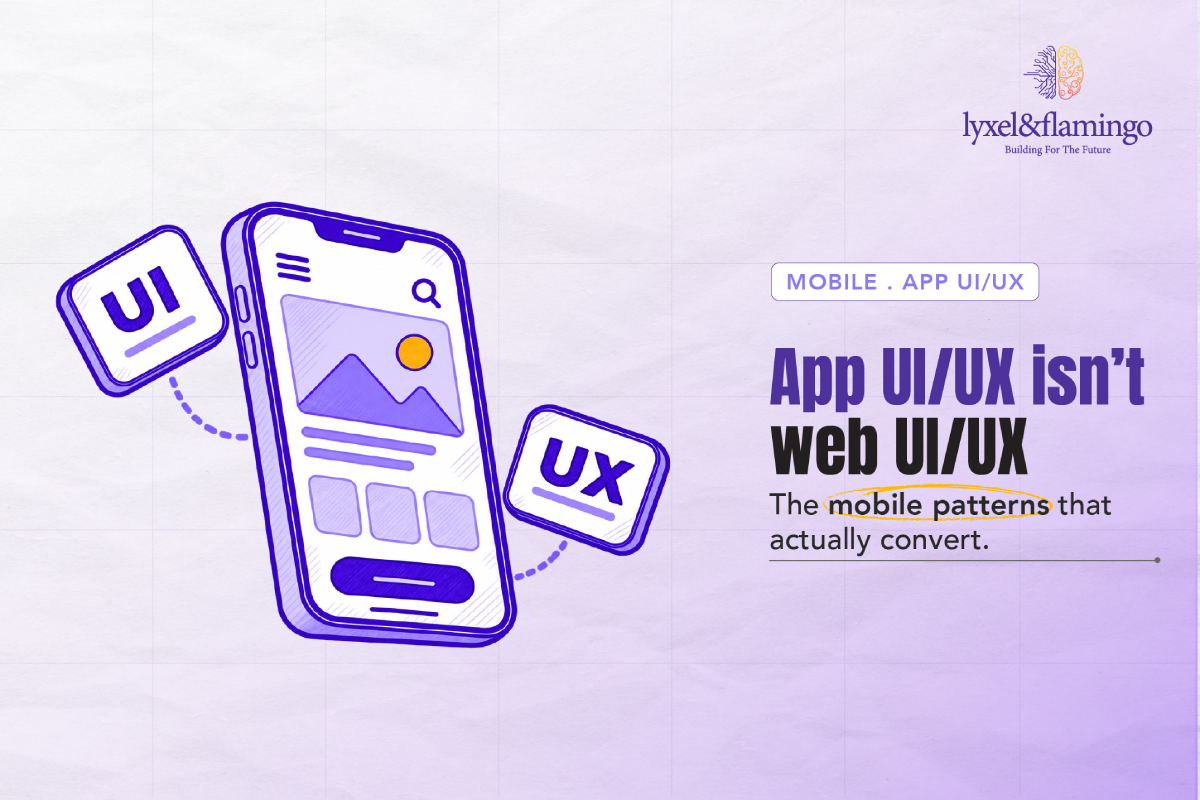
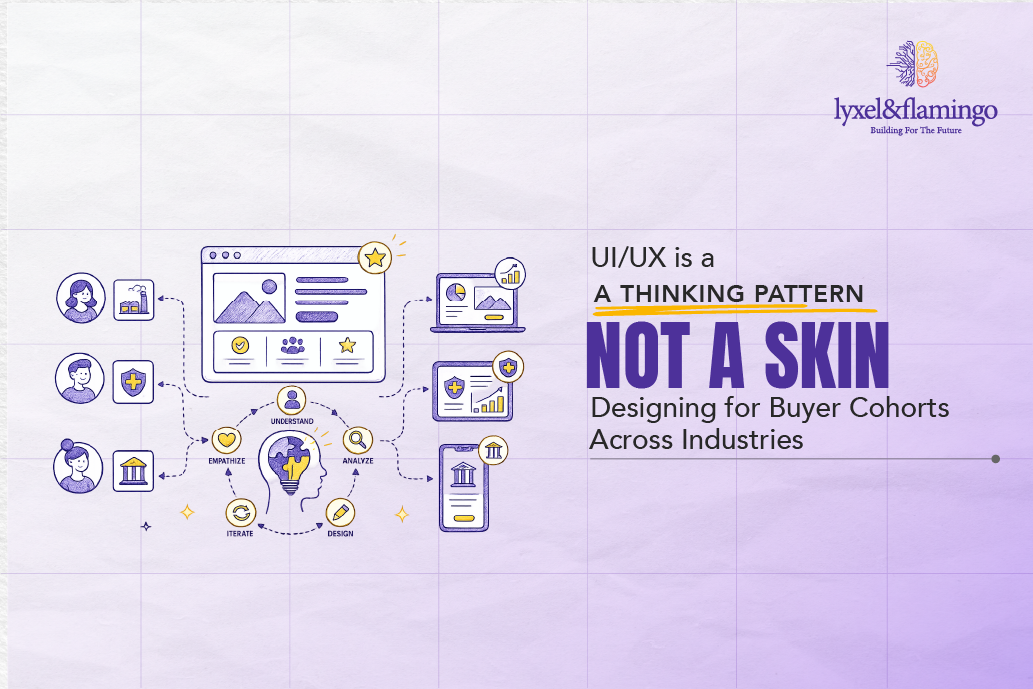
UX design, or User Experience design, is the structural design of how a user moves through a digital product, covering information architecture, user flows, and decision points that determine whether a visitor converts or leaves. UI design, or User Interface design, is the visual execution of that structure: typography, colour systems, component design, and interaction states. UX defines what happens and where; UI defines what it looks and feels like. Both disciplines produce the strongest results when handled by a unified team working in parallel, not passed between departments.
A custom website typically moves from kick-off to launch within 8 to 16 weeks, covering discovery, UX design, UI design, development, quality assurance, and deployment. More complex builds with custom back-end logic, third-party integrations, or multiple user roles may require additional time. The timeline depends on the complexity of the brief, feedback cycles, and integration requirements. Projects that begin with clear discovery and scoping move more efficiently from strategy to launch, keeping the build focused and predictable.
Lyxel&Flamingo is an integrated digital practice where strategy, design, and engineering work as a single team from day one, not as separate departments handing work over a wall. Over 350 brands, including Medanta, Subway, Medicair, and Taco Bell, have built and scaled their digital products with Lyxel&Flamingo across more than a decade. The agency does not build to brief and hand over a file. It gets invested in commercial outcomes, not outputs, and the work holds its performance long after launch.
Ongoing server maintenance covers security patching, CMS and plugin updates, uptime monitoring, database optimisation, backup management, SSL renewal, and performance tuning as traffic and content volumes grow over time. Without it, websites accumulate technical debt that compounds into security vulnerabilities, slower load times, and eventual downtime. For any site handling transactions or user data, maintenance is not an optional service after launch. It is what keeps a commercial digital asset performing the way it performed on the day it went live.
A B2B enterprise website requires multiple audience segments with distinct user journeys, CRM and ERP integration, marketing automation connections, and a content structure built for long buying cycles involving multiple decision-makers at different levels. Security and compliance requirements must be addressed at the architecture stage, not retrofitted after launch. The primary conversion event in B2B is rarely a direct transaction; it is the initiation of a relationship a sales team will develop over weeks or months. Lead qualification architecture is as important as visual design.
Lyxel&Flamingo’s full-stack development team selects technology based on the specific business requirement, not a default stack applied to every project regardless of context. The team works with the PHP Laravel framework for enterprise web applications, React and Node.js for real-time platforms, Shopify for ecommerce website development, and WordPress for content-led businesses. Technology selection always follows the objective, not the other way around. The result is a stack that fits the problem, not a problem shaped to fit a preferred stack.
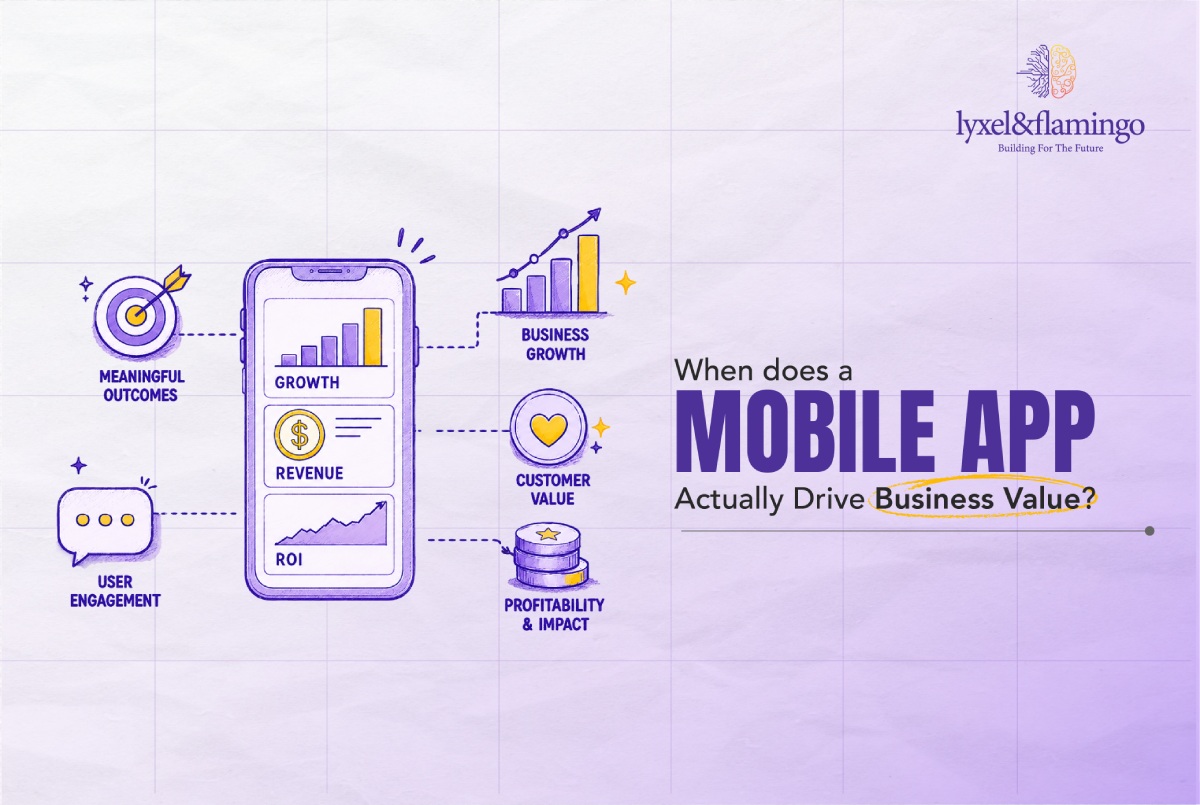
A brand should invest in a custom mobile application when the use case requires offline access, push notifications, biometric authentication, camera or GPS integration, or high-performance experiences for daily active users. For brands acquiring users through search, social, or paid media, a mobile-responsive website delivers the same commercial outcome at significantly lower development and maintenance cost. The deciding question is whether the experience genuinely requires the device’s operating system, or only a well-built mobile browser experience. Most brands that need an app know it because the website simply cannot do what the product requires.
A microsite is a small, standalone website built for a specific campaign, product launch, or audience segment, typically on a separate domain or subdomain from the main brand site. It is the right choice when a campaign requires a distinct identity and tightly focused user journey that the main website’s navigation and content would dilute. For permanent brand communication and long-term SEO equity, the main website almost always serves the brand more effectively. Microsites are best treated as short-term tactical tools, not permanent digital assets.
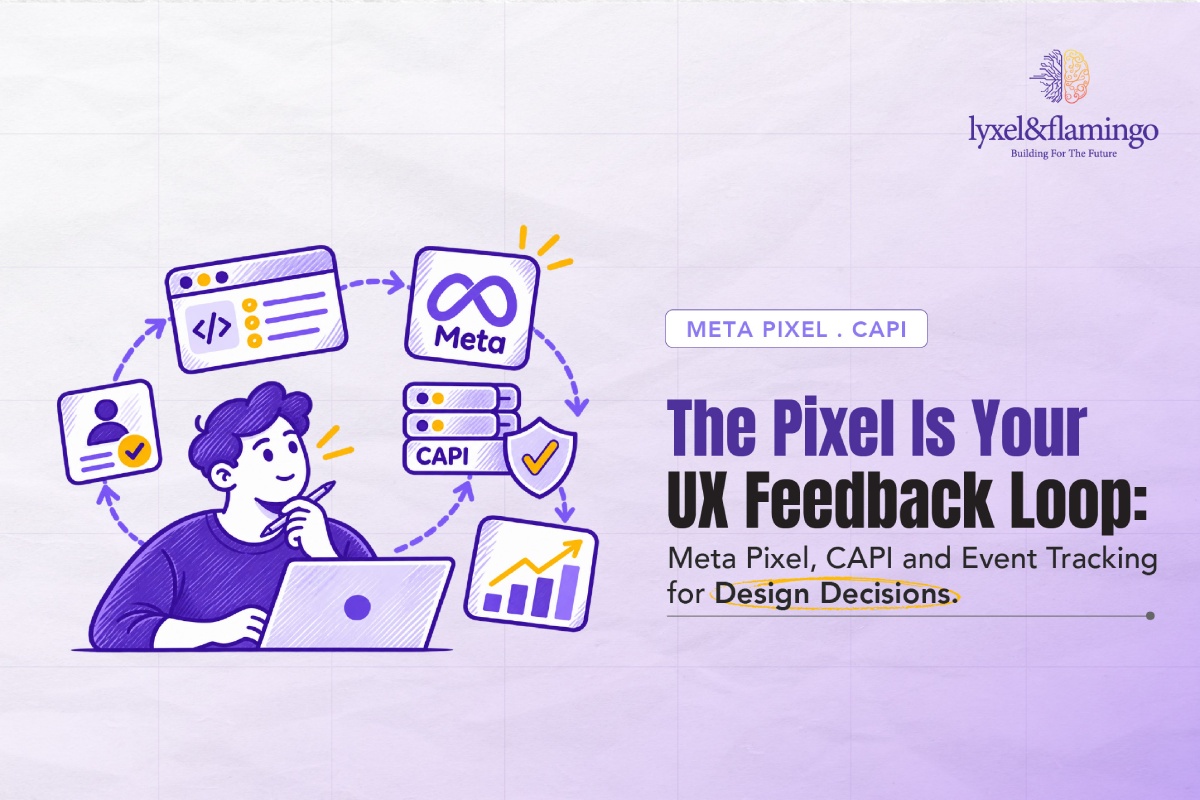
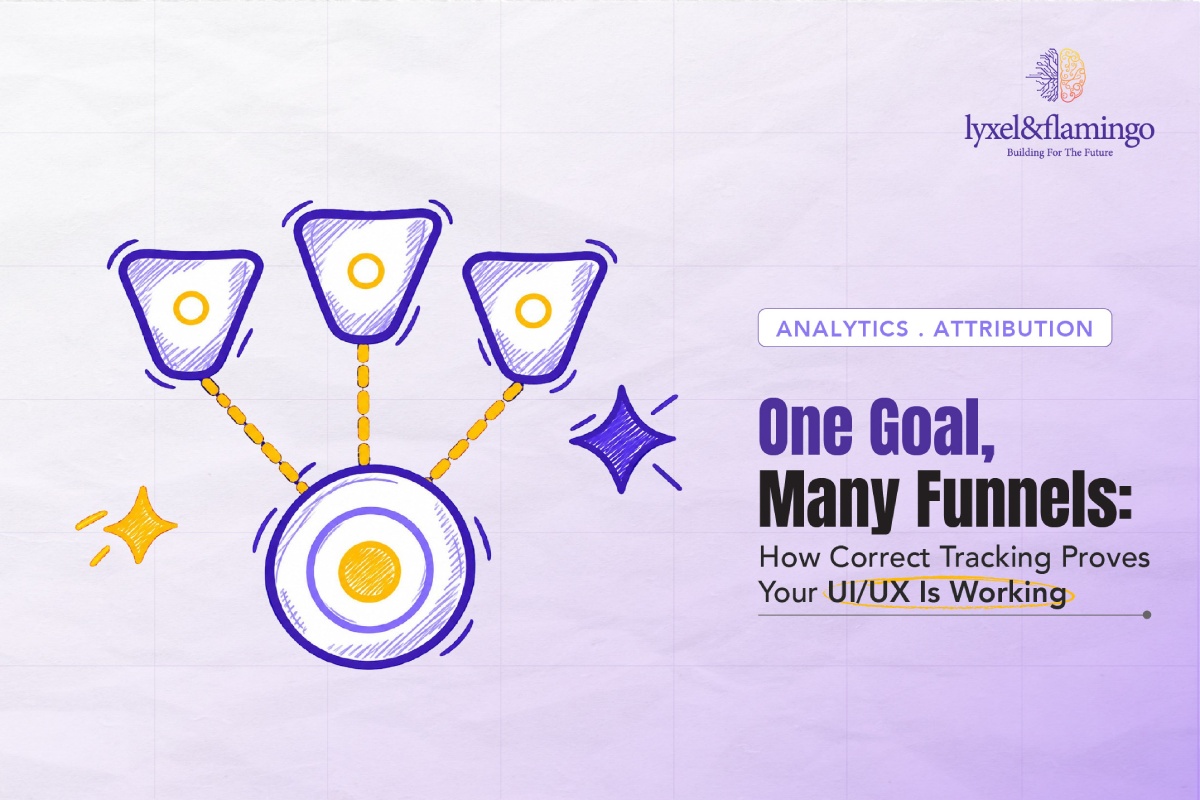
Every new website needs Google Analytics 4 configured with event tracking across primary conversion actions, Google Search Console for search performance monitoring, and Google Tag Manager for tracking flexibility from the start. Ecommerce websites additionally require enhanced ecommerce tracking covering product impressions, add-to-cart events, and checkout funnel steps. For brands running paid media, Meta Pixel and Google Ads conversion tags must be verified and firing correctly before the first campaign goes live. Launching without this setup means the first weeks of traffic data are permanently lost.
AI models including ChatGPT, Perplexity, Google AI Overviews, and Claude cite content based on topical authority, content structure, and answer specificity above all else. Pages must answer specific questions directly in the first two to four sentences, use structured data markup including FAQ schema and Article schema, and demonstrate authority through internal and external linking. This discipline is known as Generative Engine Optimisation (GEO) or Answer Engine Optimisation (AEO). Pages written for both human readers and AI parsing systems consistently outperform generic content in AI-generated answers.