
What This Blog Covers
When ecommerce growth stalls, the reflexive fix is a redesign. Often the cheaper, faster lever is long-tail keyword coverage, and this covers why it works, what it actually requires, and how to know when a redesign is genuinely the right call instead.
Quick Answer: Long-tail keyword coverage grows organic traffic by capturing the large volume of specific, lower-competition searches a category generates, product-plus-attribute queries, comparison queries, use-case queries, that a thin product catalog description never targets. It requires content work, not a rebuild: expanded product descriptions, category-page copy, and comparison or buying-guide content. A redesign is worth it when the actual problem is technical, page speed, mobile usability, crawlability, not when the problem is that the site simply isn’t targeting enough of the searches its category generates.
Table of Contents
Why “Redesign” Is the Default Answer
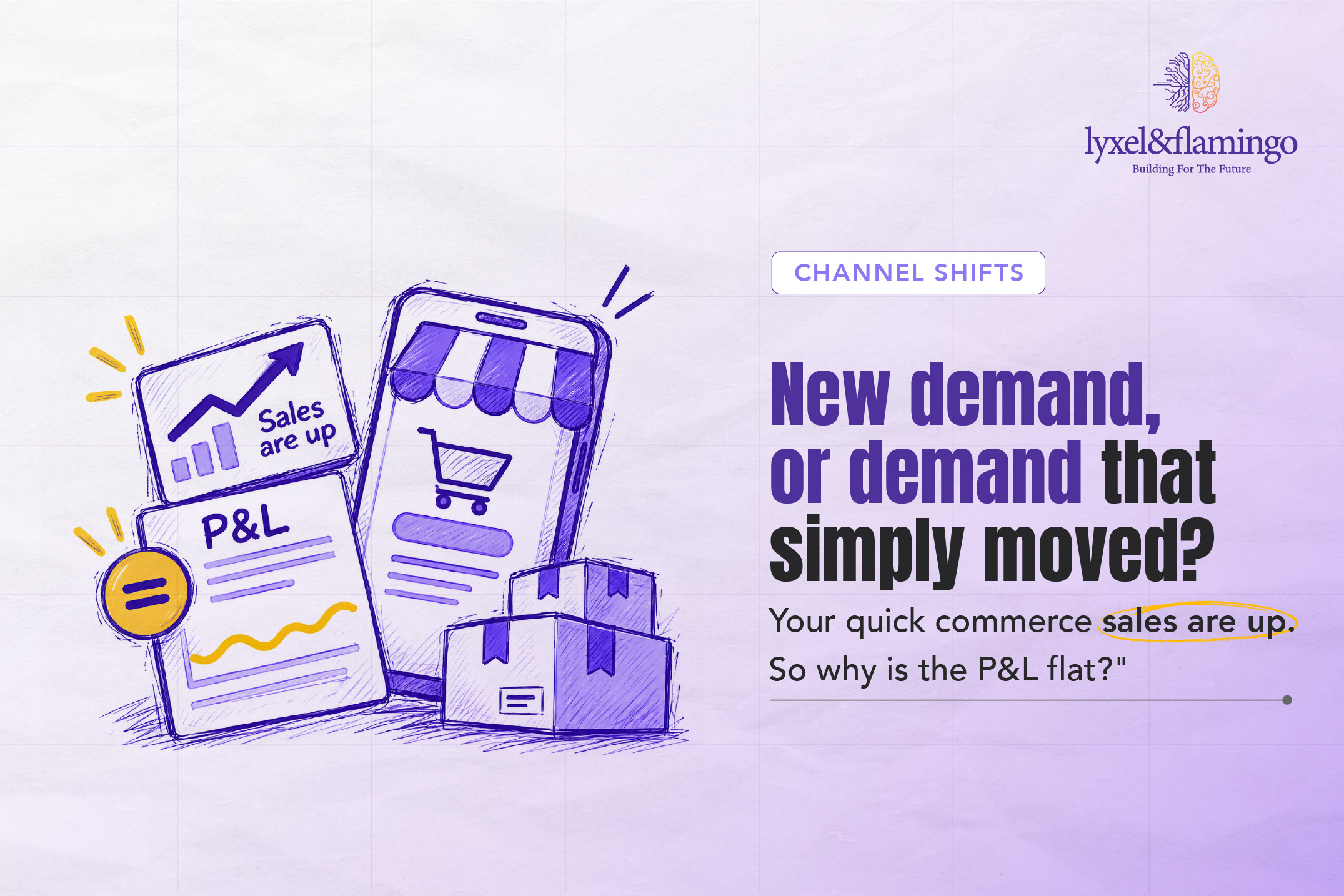
When organic growth stalls, a redesign feels like the obvious fix because it’s visible; a new site looks like progress in a way that expanded product copy doesn’t. It’s also the more expensive answer, and expensive answers get treated as more serious ones, even when they’re not addressing the actual constraint.
Most of the time, the actual constraint is coverage: the site simply isn’t targeting the volume of specific searches its own category generates, and no amount of visual redesign changes that on its own.
What Long-Tail Coverage Actually Captures
Head terms, the broad, high-competition searches like a category name alone, get most of the attention and most of the competition. Long-tail searches, product-plus-attribute queries, comparison queries between two specific products, use-case-specific searches, individually have lower volume, yet collectively represent the majority of actual search demand in most ecommerce categories.
A site with thin product descriptions and no comparison or buying-guide content simply isn’t visible for most of this demand, regardless of how well-designed the site itself is.
Where the Content Gap Usually Is
Product descriptions are the first and most common gap: generic, manufacturer-supplied copy that doesn’t answer the specific questions a long-tail searcher is asking. Expanding these with genuine, specific detail, material, use case, and comparison points closes a meaningful share of the gap on its own. This is the same first-50-words discipline covered in answer-first writing: a product page that answers the actual question in its opening lines closes more of the long-tail gap than one that buries it under boilerplate.
Category and collection pages are the second gap. These pages often have almost no unique copy at all, just a product grid, missing the opportunity to target the broader informational and comparison searches that bring someone into the category in the first place.
Comparison and buying-guide content is the third and often completely absent gap: the content format that most directly answers the specific, considered searches long-tail keyword volume is made of.
The Long-Tail Coverage Framework
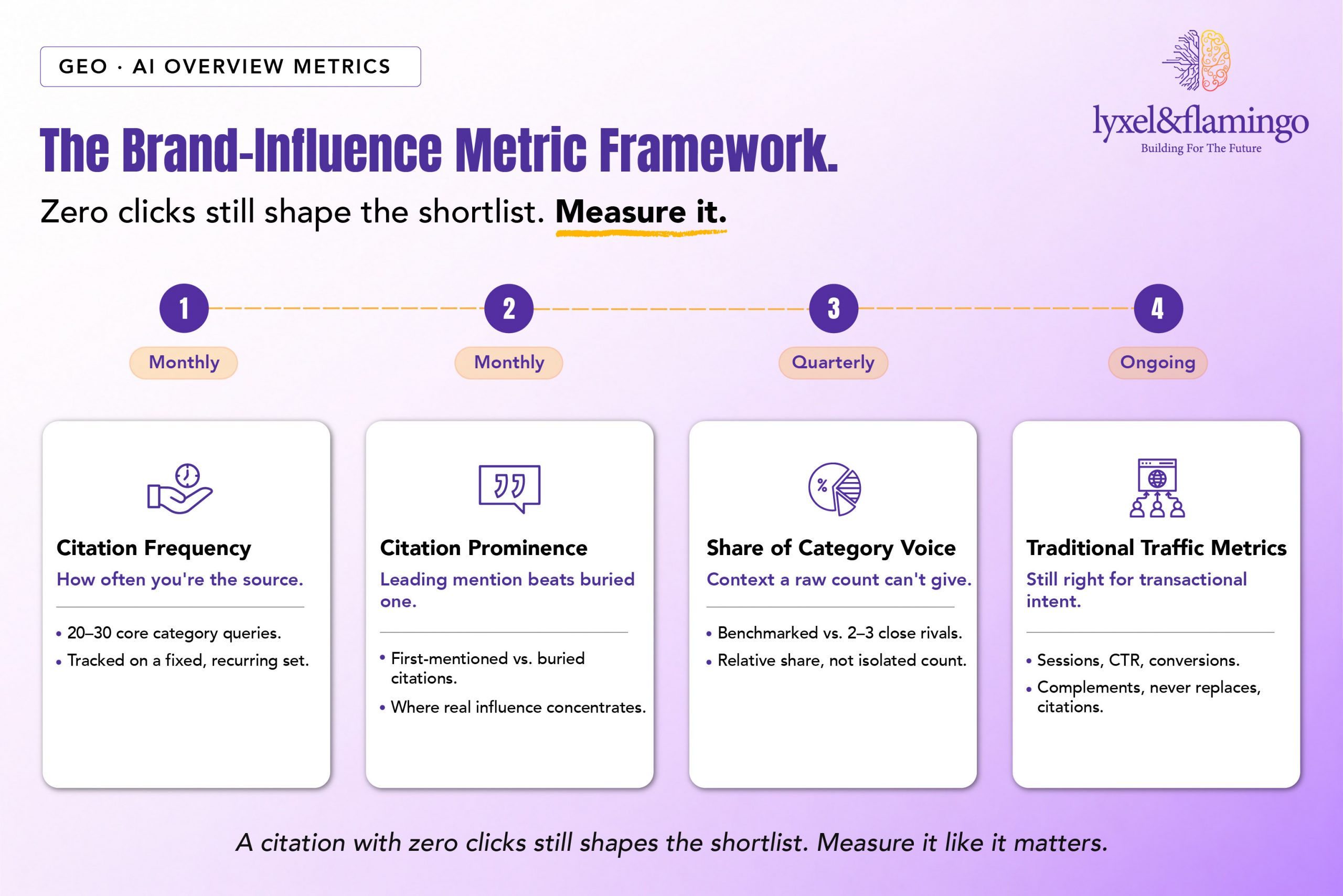
Framework Explained
- Keyword Gap Audit: This step determines whether the actual problem is coverage or something else entirely, and skipping it is how teams end up redesigning a site that was never the real constraint.
- Product Description Expansion: This is usually the fastest win, since it doesn’t require new pages, just genuine depth on pages that already exist and already rank for something.
- Category Page Content: Category pages are high-traffic real estate that’s frequently wasted on a bare product grid with no content targeting the searches that bring someone to the category at all.
- Comparison Content Build: This is the highest-effort, highest-reward step, since dedicated comparison content directly targets the considered, high-intent searches that a product page alone can’t fully capture.
When a Redesign Is Actually the Right Call
A redesign is the right answer when the constraint is genuinely technical: page speed that’s actively costing rankings, mobile usability failures, or crawlability issues preventing search engines from indexing the catalog properly. These are real, redesign-shaped problems.
The test is simple: if the existing pages that do have decent content still aren’t ranking well, that’s a technical or authority problem, redesign territory. If the pages that lack content are the ones not ranking, that’s a coverage problem, and a redesign won’t fix it.
What This Looked Like in Practice
Sleepwell’s SEO work with Lyxel&Flamingo produced 1950% keyword growth and 84% more impressions, the kind of result that comes from expanding coverage across the long tail of a category’s actual search demand, not from a visual redesign.
The complete guide to SEO for ecommerce websites covers the broader technical and content foundation this builds on. The same organic-first logic applies when a brand has no existing audience at all, the scenario covered in entering a new category without an established audience. It also applies in the opposite direction, when a brand already has decades of equity and simply needs to grow organic revenue without a rebrand, the exact case covered in the legacy brand playbook.
This same coverage-first thinking is behind the broader shift toward rebuilding growth around the owned website instead of the marketplace: a site that owns more of its own long-tail search demand depends less on marketplace discovery to begin with. Google’s own SEO starter guide covers the same fundamentals from the platform’s side, worth cross-checking against any coverage audit.
Key Takeaways
- Long-tail searches collectively represent the majority of actual search demand in most ecommerce categories.
- Product description depth, category page content and dedicated comparison content are the three places the coverage gap usually lives.
- A redesign fixes technical constraints, not coverage gaps, and confusing the two wastes budget.
- Run a keyword gap audit before deciding whether the problem is coverage or something structural.
CXO Takeaway
Before approving a redesign budget to fix stalled organic growth, ask whether a keyword gap audit has confirmed the constraint is actually technical. Coverage gaps are usually cheaper and faster to close than a redesign, and often the real answer.
If your best-content pages aren’t ranking, is that a design problem, or has anyone checked whether it’s a coverage problem instead?
Talk to Lyxel&Flamingo about running a long-tail keyword gap audit before committing budget to a redesign.
Frequently Asked Questions
Coverage is a content strategy, expanding product descriptions, category pages and comparison content to target more of a category’s actual search demand. A redesign changes the site’s visual and technical structure, which doesn’t by itself add content coverage.
Product descriptions and category pages most commonly lack the specific, comparison-oriented content that long-tail searches are actually looking for.
When the constraint is genuinely technical, page speed, mobile usability, crawlability, and existing well-content pages still aren’t ranking well despite that content.
Run a keyword gap audit. If pages with decent content are underperforming, that points to a technical or authority issue. If pages that simply lack content are the ones not ranking, that’s a coverage problem.