
What this blog covers
This blog explains how to detect ad fatigue before it damages performance and how to build a refresh cadence that stays ahead of it. It covers what fatigue actually is, the signals that reveal it early, the framework for detecting the turn and refreshing on schedule, the practical ways to beat it, and how a healthy testing bank makes the whole thing work. It closes with a self-check and the questions practitioners ask most.
Table of Contents
The winner that quietly stops winning
Every performance team has watched it happen. An ad takes off, becomes the reliable workhorse of the account, and then, without any obvious change, starts to slip. The cost per result creeps up, the click-through drifts down, and the campaign that was carrying the numbers begins to drag them. By the time it is obvious in the headline results, the decline has usually been underway for a week or two, quietly overspending against a creative the audience has stopped responding to.
That slow slide is ad fatigue, and it is one of the most common and most avoidable causes of wasted spend. The teams that manage it well do not wait for the headline number to fall; they watch the leading signals that reveal fatigue early and refresh on a cadence that keeps the account ahead of the curve. Beating fatigue is less about reacting faster and more about seeing it coming.
What ad fatigue actually is?
Ad fatigue is the decline in an ad’s performance that comes from the same people seeing it too many times. The first exposures do the work: they register, they interest, they convert. Past a certain point, additional exposures add little, and then start to do harm: people who have seen the ad repeatedly begin to ignore it, and some develop a mild aversion to it. The creative has not changed; the audience’s relationship with it has.
Mechanically, it shows up as rising frequency the average number of times each person has seen the ad dragging the response metrics down with it. As the pool of fresh people in the target audience shrinks and the same faces see the ad again and again, click-through falls, cost per thousand impressions rises because the platform works harder to place a tiring ad, and cost per result climbs as a result. Fatigue is, at heart, a frequency problem meeting a finite audience.
The signals that reveal it early.
The mistake most teams make is watching the outcome metric, cost per result, which moves last. The earlier signals sit upstream. Frequency climbing past roughly three to four on a stable audience is the first warning. Click-through rate sliding while nothing else has changed is the second. Rising cost per thousand impressions on the same audience is the third, because the platform is straining to deliver a creative people are ignoring. Read together and as a trend rather than a single day, these turn fatigue from something you discover after the damage into something you see approaching – the same early-signal thinking that runs through diagnosing a stalling ROAS.
The Ad-Fatigue Detection & Refresh Cadence
The framework pairs early detection with a planned refresh, so the account acts before the decline rather than after it.
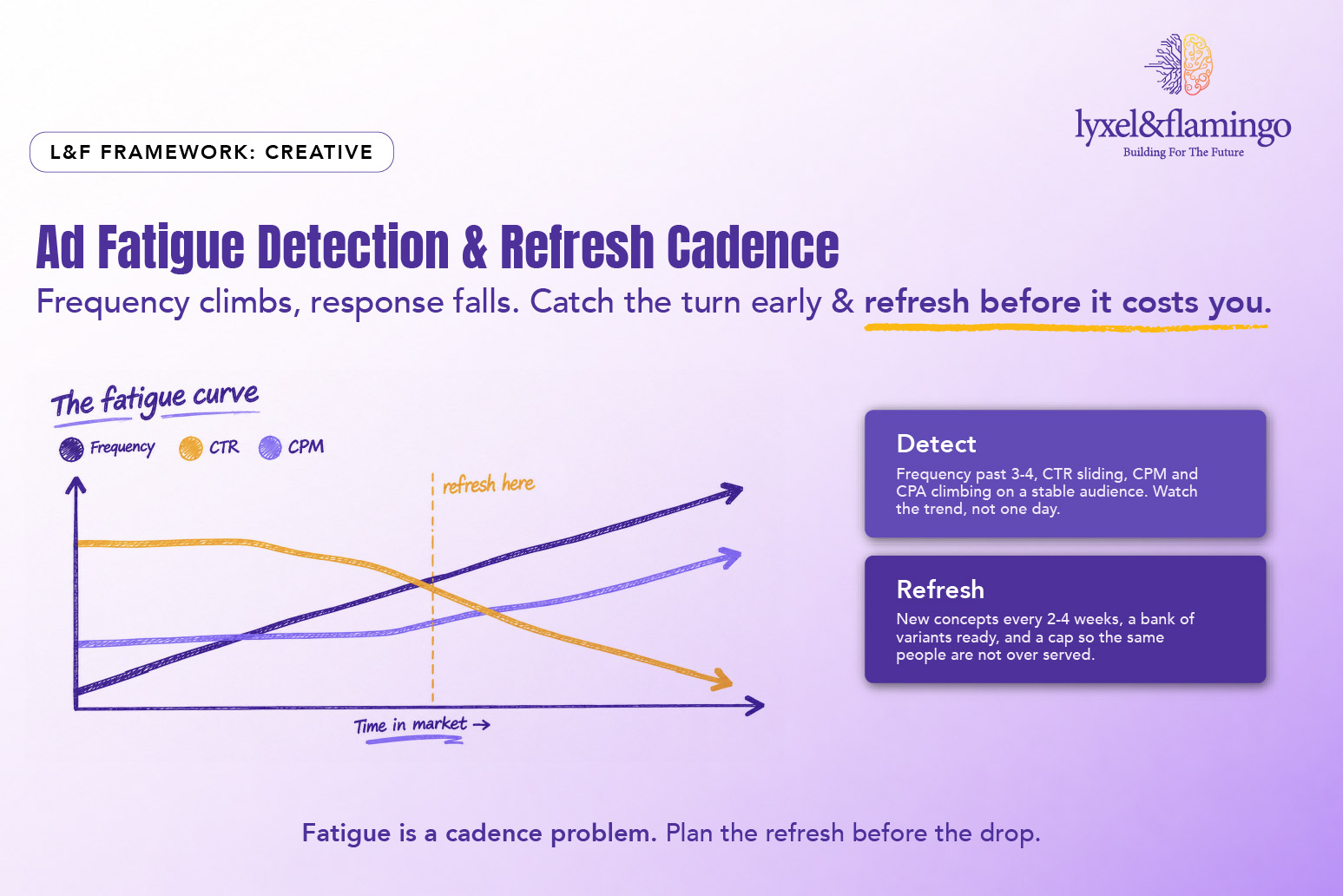
Framework: Ad-Fatigue Detection & Refresh Cadence refresh before the drop.
On the detection side, the framework watches frequency, click-through, and cost per thousand as a trend, and treats the point where frequency climbs while response softens as the trigger. On the refresh side, it plans new creative into the account on a cadence commonly every two to four weeks for a hard-working audience rather than waiting for a metric to collapse. The chart shows why timing matters: the moment to refresh is where the curves begin to diverge, not where the outcome metric has already fallen. Detection tells you when; the refresh plan makes sure something is ready to go in.
How to beat fatigue
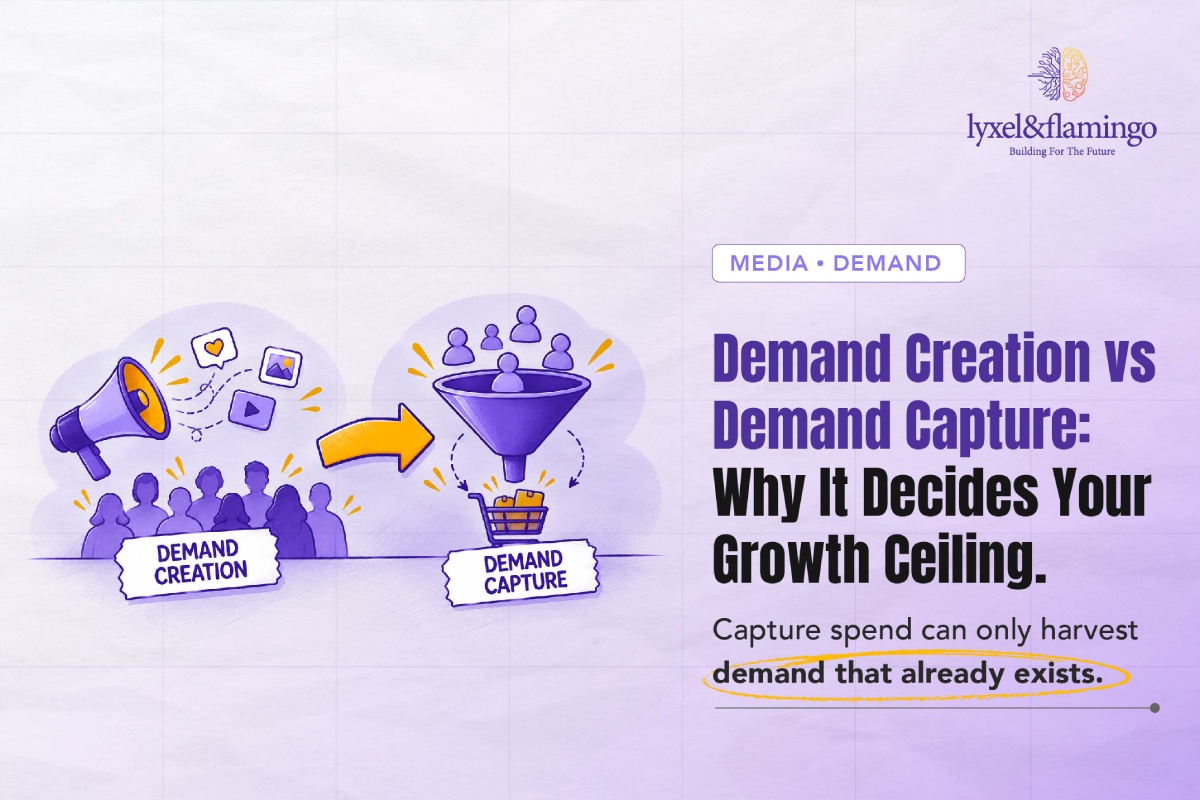
Beating fatigue combines a few practical moves. The first is a refresh cadence: retire tiring creative and introduce new concepts on a schedule, before the response drops rather than after. The second is a frequency cap, so the same person is not over-served in the first place and, in a multi-platform account, a cap that works across platforms rather than one that resets on each, which is where a lot of hidden over-exposure lives. The third is variety: a bank of genuinely different concepts, not minor variations of one idea, so a refresh actually feels new to the audience. And the fourth is reaching new people, refilling the audience pool through demand creation so the same faces are not the only ones seeing the ads. These work together; a refresh cadence with no new concepts to draw on, or a fresh creative poured into a saturated audience, solves little on its own.
Why a testing bank makes refresh possible
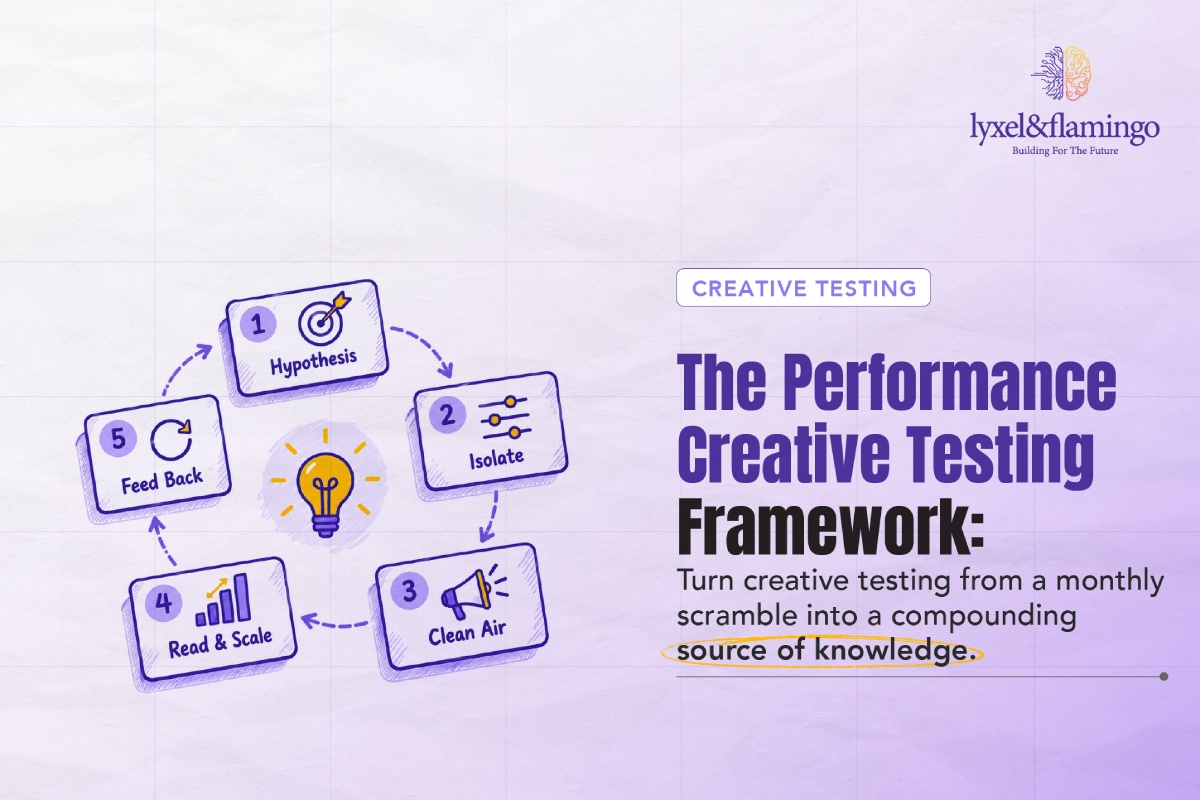
A refresh cadence is only as good as what a team has ready to refresh with. The brands that stay ahead of fatigue do not scramble for new creative when the numbers dip; they draw from a bank of tested concepts built through continuous testing, so there is always a proven option to rotate in. This is where beating fatigue connects to a creative testing framework: testing produces the pipeline of winners, and the refresh cadence deploys them before the current one tires. And because AI has made producing variety far cheaper, keeping that bank stocked is more achievable than it was; the shift in creative economics turns refresh from a bottleneck into a routine. Without a bank, refresh means replacing a tired winner with an unproven guess.
Self-check: Are you ahead of fatigue?
Score your own approach one point per yes:
- You track frequency, CTR, and CPM as leading fatigue signals, not just cost per result
- You read these as a trend, not a single day’s number
- A frequency cap is set, and it works across platforms, not per platform
- New creative is planned on a refresh cadence, not launched only when results drop
- Your refresh draws on genuinely different concepts, not minor variations
- You refill the audience pool with new reach, not just re-hit the same people
- A bank of tested creative is ready to rotate in
Five or more and you are ahead of fatigue. Three or fewer and you are probably overspending against tiring creative.
Key takeaways
- Ad fatigue is the performance decline that comes from the same people seeing an ad too many times.
- It shows up first in leading signals: rising frequency, falling CTR, rising CPM before cost per result moves.
- Detect fatigue as a trend in those signals, and refresh on a cadence rather than waiting for a collapse.
- Beat it with a refresh cadence, cross-platform frequency caps, genuinely varied concepts, and new reach.
- A bank of tested creative is what makes refresh possible so testing and fatigue management work together.
Closing
Ad fatigue is inevitable; every good creative tires eventually, but its cost is not. The waste comes from noticing late, when the account has already been overspending against an ad the audience stopped responding to weeks ago. The teams that manage it well treat it as a cadence problem: they watch the signals that move first, refresh on a schedule from a bank of tested creative, and keep the audience pool topped up with new reach. Handled that way, fatigue stops being a recurring surprise and becomes a routine part of keeping the account healthy.
Want to stay ahead of ad fatigue?
L&F runs fatigue detection and creative refresh early-signal monitoring, a planned cadence, and a bank of tested concepts ready to rotate in for consumer brands across India and worldwide. We will keep your account ahead of the drop. Talk to L&F about creative refresh and refresh before the decline, not after.
Frequently Asked Questions
Ad fatigue is the decline in an ad's performance caused by the same people seeing it too many times. The early exposures register and convert; past a point, additional exposures add little and then start to hurt, as people ignore the ad or develop a mild aversion to it. The creative has not changed the audience's relationship with it has. It shows up as rising frequency dragging click-through down and pushing costs up.
Watch the leading signals rather than the outcome metric, which moves last. The early warnings are frequency climbing past roughly three to four on a stable audience, click-through rate sliding while nothing else has changed, and cost per thousand impressions rising on the same audience. Read them as a trend over a week or two, not a single day. When these move together, fatigue is setting in, usually before cost per result has noticeably risen.
A common cadence is every two to four weeks for a hard-working audience, though it depends on your audience size, budget and how fast frequency builds. Smaller audiences and larger budgets fatigue faster and need more frequent refreshes. Rather than fixing a rigid date, plan a cadence and let your fatigue signals fine-tune it - refresh when frequency climbs and response softens, and make sure you have new creative ready before that point, not after.
There is no universal number, but response often begins to soften once average frequency climbs past roughly three to four on a stable audience and much depends on the creative, the audience size and the category. The more important point is to watch frequency as a trend alongside falling click-through and rising costs, rather than trusting a single threshold. And remember that per-platform caps understate true frequency: someone using several platforms can be well past your intended cap.
Combine four moves. Refresh creative on a cadence, retiring tiring ads before response drops. Set a frequency cap ideally one that works across platforms, not per platform so the same person is not over-served. Rotate in genuinely different concepts, not minor variations, so a refresh feels new. And reach new people through demand creation so the same faces are not the only audience. These work together; a cadence with nothing fresh to deploy, or new creative poured into a saturated audience, does little alone.
It helps, but it is only part of the answer. A frequency cap limits how often one person sees an ad, which slows the onset of fatigue - but on its own it does not refresh the creative or refill the audience. And per-platform caps miss cross-platform over-exposure, where a lot of hidden fatigue lives. The full solution pairs a cross-platform cap with a refresh cadence, varied concepts and new reach, so you are managing both how often people see ads and what they see.
They are two halves of one discipline. Testing produces a pipeline of proven creative; managing fatigue deploys that pipeline on a cadence before the current winner tires. A refresh plan is only as good as what you have ready to refresh with, so brands that stay ahead of fatigue run continuous testing to keep a bank of tested concepts stocked. Testing without a refresh plan lets winners burn out; refreshing without testing means replacing tired creative with unproven guesses.