
Blog Summary
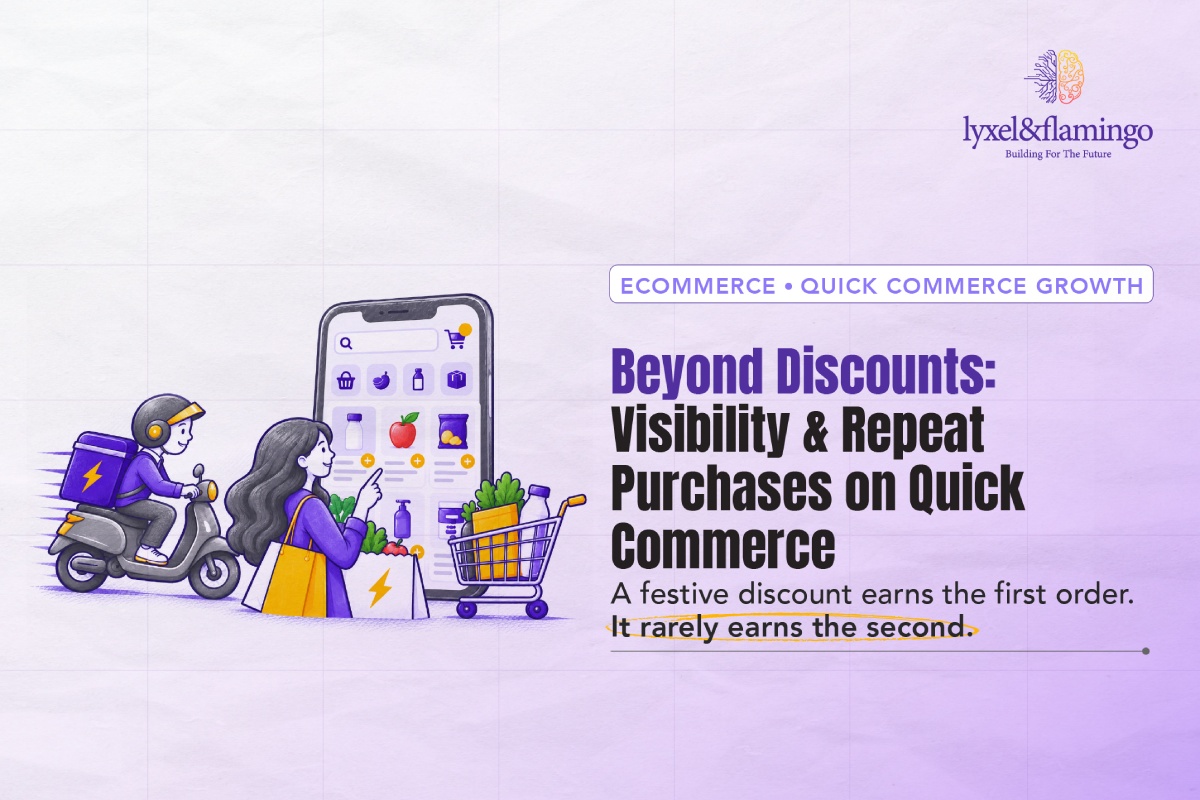
Quick commerce growth looks like a straightforward win until a CXO reads the whole P&L and finds the gain in one channel matched by a quiet slide in another. Some of that ten-minute demand is genuinely new; some of it is the same shopper, buying the same thing, on a faster and often costlier channel. Telling the two apart is one of the more important reads a brand leader can make right now, and this is a framework for making it honestly.
Table of Contents
- The shelf a shopper never scrolls past
- What quick commerce advertising actually is
- Awareness: banners and stories on the home feed
- Consideration: keyword and product-page ads
- Conversion: listing spotlight and boosters
- The Quick Commerce Ad Stack
- A challenger brand on Zepto
- The question to sit with
- Closing
Sure, same content ko clean HTML format mein convert kar diya hai. Links mein `target=”_blank”` bhi add kar diya hai.
The shelf a shopper never scrolls past
On a large marketplace, a shopper is willing to browse to scroll pages, open tabs, compare. On quick commerce the behaviour is the opposite. The shopper opens the app to solve an immediate need, sees a home feed and a short set of results, and decides. There is no deep aisle to explore, which means discovery is not something that unfolds over a session. It happens in the first screen, and whatever occupies that screen – a banner, a top result, a sponsored slot – is where a brand is found or missed.
That changes what advertising is for. On a marketplace, ads help a brand get noticed inside a long journey. On quick commerce, ads largely are the journey, because the space where a shopper looks is small and mostly monetised. Understanding the specific formats, and what each is good for, is the difference between buying visibility that converts and buying impressions that lead nowhere.
What quick commerce advertising actually is
Quick commerce advertising is the set of paid placements inside apps like Zepto and Instamart that put a brand in front of a shopper at the moment of an immediate purchase – home-feed banners, sponsored search results, product-page ads and the boosted slots that decide what a shopper sees first. It sits on top of organic visibility rather than replacing it, and it matters more here than on a marketplace because the surface a shopper actually sees is so compressed. With quick commerce now handling more than two-thirds of India’s e-grocery orders, and fifteen to twenty per cent of its value coming from beyond grocery, these placements are where a fast-growing share of discovery is now bought.
Awareness: banners and stories on the home feed
At the top of the funnel sit the home-feed placements banners and story-style units that a shopper meets before they have searched for anything. Their job is not to close a sale in the moment but to plant a brand and an offer while attention is fresh, and they earn their keep on the busy days when home-feed traffic surges. Used well, they build the familiarity that makes a shopper reach for a brand later; used as a blunt reach buy, they spend into impressions that never convert. The discipline is to treat awareness placements as the setup, not the finish.
Consideration: keyword and product-page ads
In the middle sit the placements tied to intent sponsored results against the terms a shopper searches, and ads on related product pages. This is where a good deal of the real work happens, because a shopper searching “hair oil” or a related term is already close to buying, and the brand that shows up sharply there converts far better than one relying on awareness alone. The craft is in the keywords: indexing across the variations shoppers actually type, and putting budget behind the cost-effective terms rather than only the obvious expensive ones. Being present for the searches that convert is worth more than being loud everywhere.
Conversion: listing spotlight and boosters
Closest to the decision sit the placements that push a product over the line listing spotlights, product boosters and add-to-cart units that lift a hero SKU in the final moment. These work hardest during peak traffic and around price drops, when a small nudge in visibility turns a considering shopper into a buying one. They are also where availability and listing quality matter most, because a booster that lifts an out-of-stock or poorly presented product simply spends money to reveal a weakness. Conversion placements reward the brand whose shelf is already in order.
The Quick Commerce Ad Stack
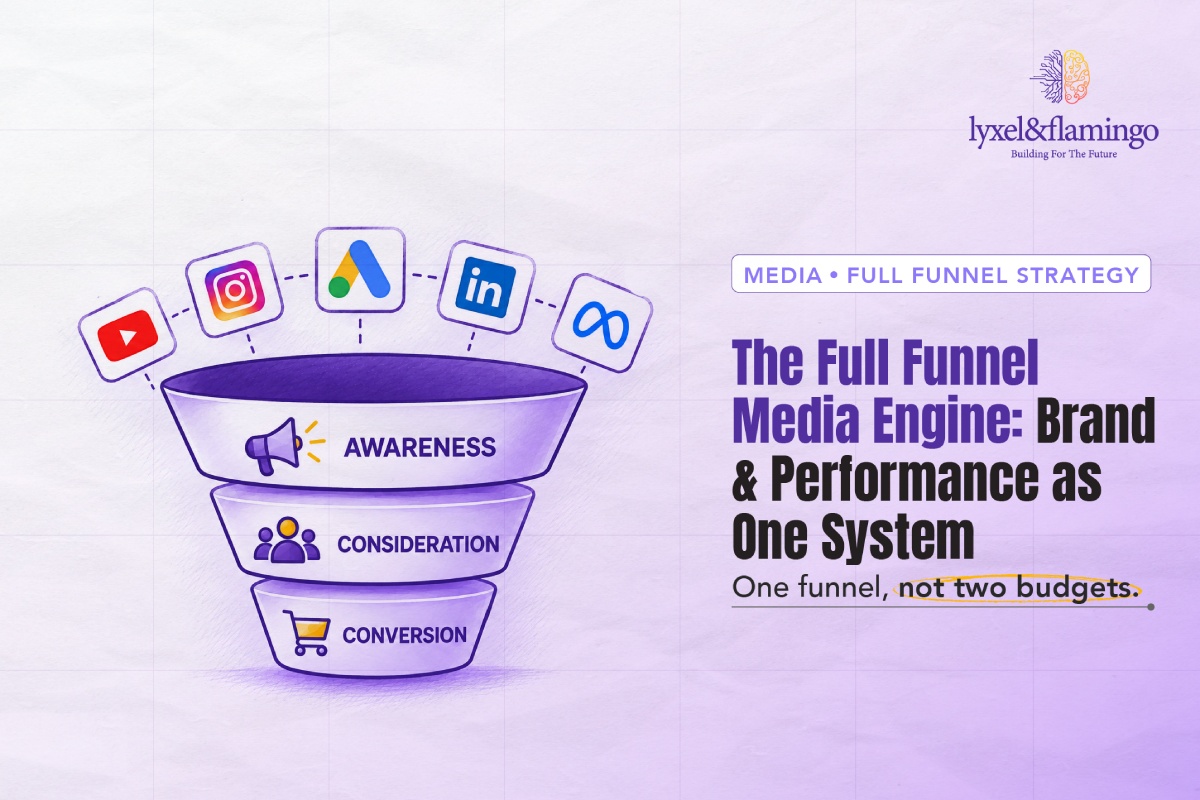
Held together, these placements form a stack that mirrors the funnel: awareness on the home feed, consideration against search and product pages, and conversion at the listing itself. The mistake most brands make is buying one layer in isolation – all awareness and no conversion, or all sponsored search with no organic foundation beneath it. The stack works when the layers reinforce each other, which is the same full-funnel logic we cover for quick commerce as a whole, focused here on the specific formats.
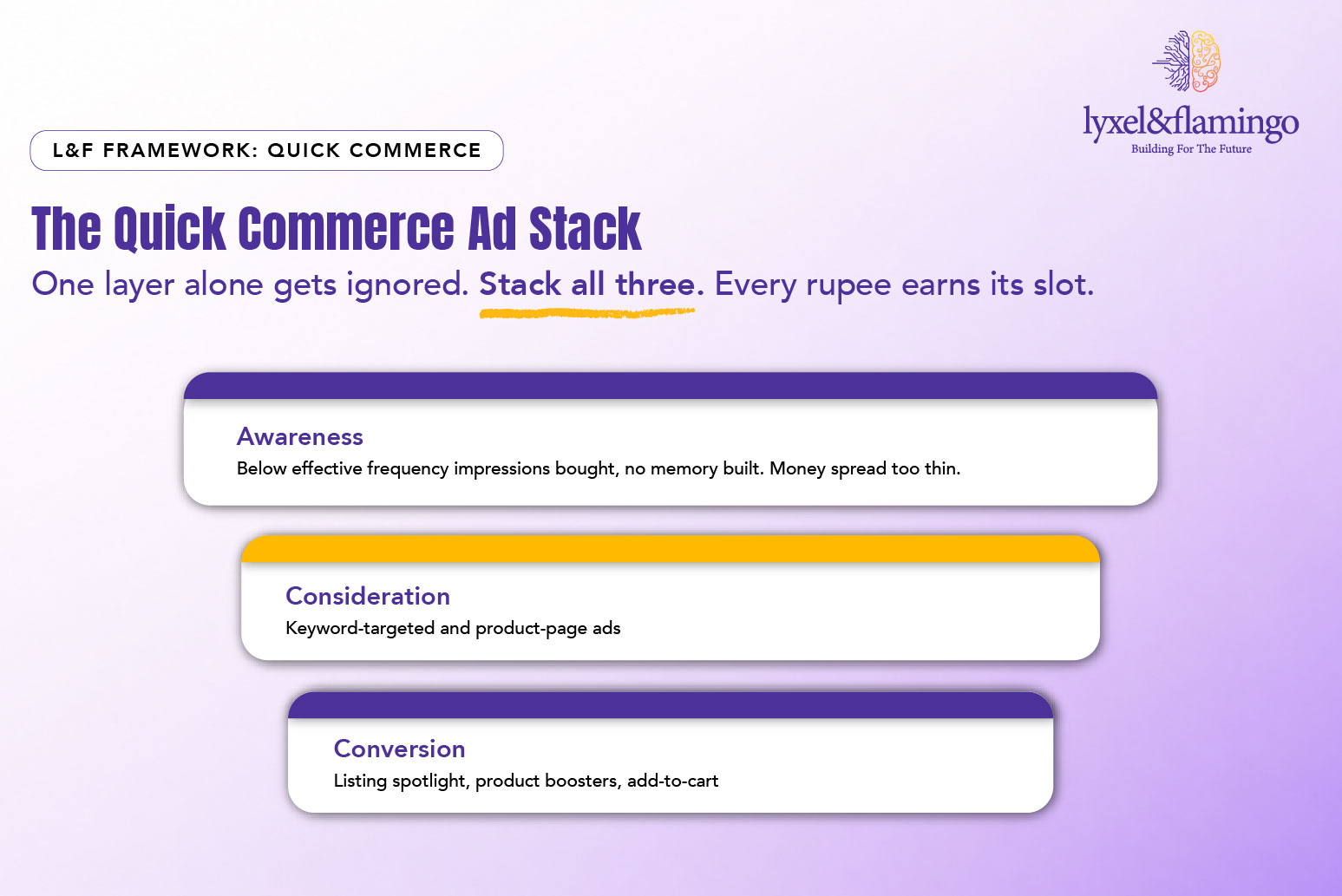
The Quick Commerce Ad Stack: awareness, consideration and conversion placements, working as one funnel.
A challenger brand on Zepto
The pattern shows up in the work. Soulflower, a clean beauty brand growing its hair-oil range on Zepto, built exactly this kind of stacked, intent-led plan – indexing across cost-effective keyword variations, scheduling spend into high-traffic hours, and using boosters and cart units at the moments of peak intent rather than spraying reach. Over the window, its revenue per user rose by about 9%, its brand recall more than doubled, and its view-to-purchase efficiency ran around 1.5 times the category trend. The visibility worked because it was bought where the buying actually happened, not simply where it was loudest.
The question to sit with
It is easy to treat quick commerce advertising as a single line item – a visibility budget to be spent. The brands that win treat it as a stack, each format doing a different job at a different moment of a decision that lasts seconds. So the question worth sitting with is not how much you are spending to be seen on Zepto and Instamart, but whether each rupee is buying the right kind of visibility at the right moment – or simply buying impressions in a feed the shopper has already scrolled past.
Closing
Building the right ad stack on quick commerce is a craft, and it is one Lyxel&Flamingo runs alongside brand teams every day. If you would like a clear read on where your spend on Zepto and Instamart is working and where it is leaking, our marketplace team can audit your placements and rebuild the stack around the moments that convert. Start that conversation with us whenever you are ready.
Frequently Asked Questions
Home-feed banners and stories, sponsored search and product-page ads, and listing spotlights or boosters. Quick commerce ad formats span awareness, consideration and conversion placements, each suited to a different moment of the purchase.
The shopper barely browses, so discovery happens in the first screen and paid placements carry more of it. On quick commerce, ads largely are the discovery journey, because the surface a shopper sees is compressed into a few slots.
Intent-led placements against search and product pages usually convert best, on a sound organic base. Sponsored search and product-page ads tend to convert strongest because they reach shoppers already close to buying.
Yes, as a setup for later conversion, not as a standalone reach buy. Home-feed banners build the familiarity that makes a shopper reach for a brand later, but need conversion placements beneath them.