
What This Blog Covers
This blog explains why author identity and credential signals matter to AI retrieval systems and Google quality raters, what the structural difference is between a byline and a verified author entity, and how to build the four-layer Author Entity Stack that makes a writer’s expertise citable rather than merely claimed. It covers how to create an author bio page that functions as a structured credential proof rather than a sidebar widget, what Person schema does that a bio page alone cannot do for AI systems, how the sameAs field in Person schema connects on-page identity to external authority in a knowledge graph, and how to build the external entity signals that convert an expertise claim from an assertion into a verifiable fact. It is an implementation guide, not a conceptual overview, and every step is actionable without specialist technical resource.
QUICK ANSWER: Author authority SEO means structuring every piece of expert content so that AI systems, quality raters, and retrieval-augmented generation tools can verify who wrote it, what qualifies them, and whether that claim is corroborated by sources outside the brand own properties. It requires four sequential layers: a named byline on the article, a structured author bio page, Person schema markup linking the author to their credentials, and external entity signals that validate the expertise from independent sources. Most Indian brands have the first layer and none of the other three.
Table of Contents
- Why Does Author Identity Matter to AI Systems and Quality Raters?
- What Is the Difference Between a Byline and an Author Entity?
- How Do You Build an Author Bio Page That AI Systems Can Actually Read?
- Author Entity Audit: What to Check at Each Layer
- What Does Person Schema Do That a Bio Page Cannot?
- How Do You Build External Author Entity Signals That Matter?
- The Author Entity Stack
- Client Proof Point
- Key Takeaways
- The CXO Takeaway
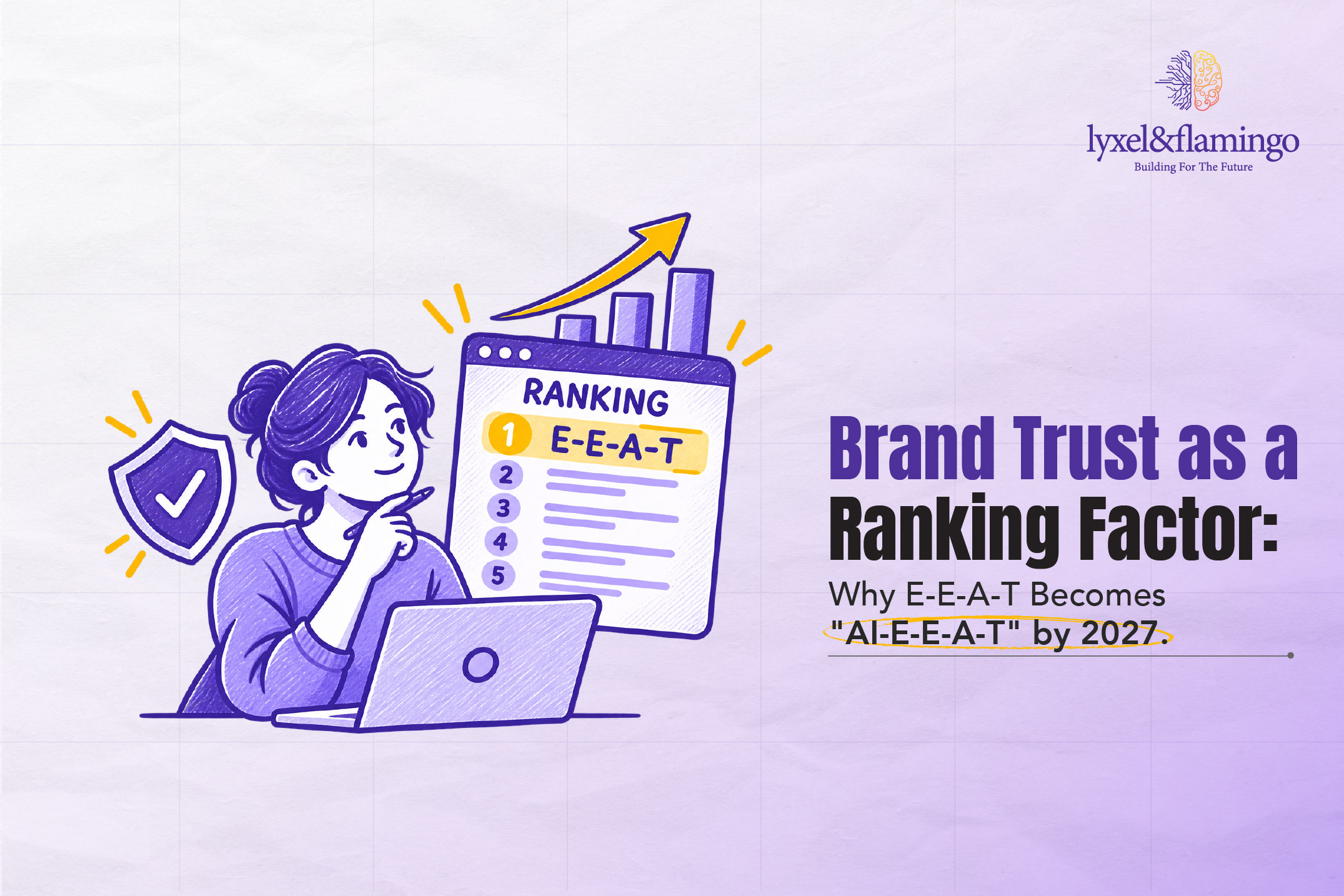
Why Does Author Identity Matter to AI Systems and Quality Raters?
AI retrieval systems do not treat all content as equal. The same claim made by an unnamed marketing team and by a named, credentialed expert with verifiable external recognition is weighted differently, because the retrieval system can only anchor confidence in one of them. The named expert gives the system something to verify: a real person, a real credential, a real external footprint that either supports or contradicts the claim being made.
Google’s quality rater guidelines make this explicit under the Experience, Expertise, Authoritativeness and Trustworthiness framework: content on medical, financial, legal, and other high-stakes topics requires demonstrable author expertise, not just organisational brand authority. Retrieval-augmented generation systems apply a similar logic: when deciding whether to cite a claim, they weight the availability of verifiable expertise signals alongside content structure and freshness.
The reason most Indian brands are not winning E-E-A-T author citations is not that they lack expert employees. It is that their experts’ credentials exist only in email signatures and LinkedIn profiles, none of which is structured in a way that a crawling or indexing system can reliably parse, verify, and weight.
What Is the Difference Between a Byline and an Author Entity?
A byline is a name. An author entity is a machine-readable identity with verifiable attributes.
“Dr Priya Sharma” appearing in plain text under a blog post title is a byline. It tells a human reader that a person wrote this article. It tells an AI system nothing it can verify: there is no structural link to what Dr Sharma’s credentials are, no confirmation that the Dr Sharma on this page is the same Dr Sharma with a verifiable professional footprint, and no external corroboration that she has expertise in the topic she has written about.
An author entity begins with the byline, then extends it through three additional layers: a structured bio page that explicitly states her qualifications, years of experience, and relevant publications; Person schema that links those attributes in machine-readable format; and external signals from third-party sources that independently reference her expertise. The difference between a byline and an author entity is the difference between an assertion and a verified claim. AI systems can only confidently cite verified claims, which is precisely why the entity construction matters more than the byline itself.
This distinction is foundational to the broader E-E-A-T framework for Indian brands, which covers the organisational trust signals that complement author-level authority built through this four-layer stack.
How Do You Build an Author Bio Page That AI Systems Can Actually Read?
An author bio page that serves AI citation purposes is structurally different from an “About the Author” sidebar widget or a two-line bio at the end of an article. It is a standalone, indexable page that explicitly presents the information an AI retrieval system needs to evaluate the author’s expertise.
The page should include: the author’s full name and professional title; a specific list of their qualifications, including degrees, certifications, and professional accreditations with the awarding institutions named; their relevant professional experience in the topic area, stated with specific tenures and organisations rather than vague descriptions; any publications, media appearances, or speaking engagements in the domain; and clear links to their external professional profiles (LinkedIn, institutional pages, publication archives) that provide the corroboration layer the bio page alone cannot provide.
The author bio page also needs to be linked from every article the author has written, with the author’s name as anchor text. This creates the internal link structure that allows a crawler to associate the author entity with the specific content corpus they have produced, which is how retrieval systems build a confidence score for the author’s expertise in a given domain.
Author Entity Audit: What to Check at Each Layer
What Does Person Schema Do That a Bio Page Cannot?
Person schema is the technical layer that converts the human-readable information on the author bio page into a machine-readable declaration. A bio page relies on the retrieval system language model to parse and interpret the text. Person schema removes the interpretation requirement: it explicitly states, in a structured format that any crawler can read without inference, what the author’s name is, what their job title is, what organisation they are affiliated with, and where their external profiles can be found.
The critical fields in Person schema for E-E-A-T purposes are: name (matching the byline exactly), jobTitle, worksFor (with Organisation schema nested for the employing entity), sameAs (linking to LinkedIn, Google Scholar, institutional directory, or other external identifiers), and knowsAbout (listing the specific topics the author has verifiable expertise in). The sameAs field is the most important: it is what allows a knowledge graph to connect the author on-page identity to their external footprint, establishing that the person claiming expertise on a page is the same person recognised as an expert by independent external sources.
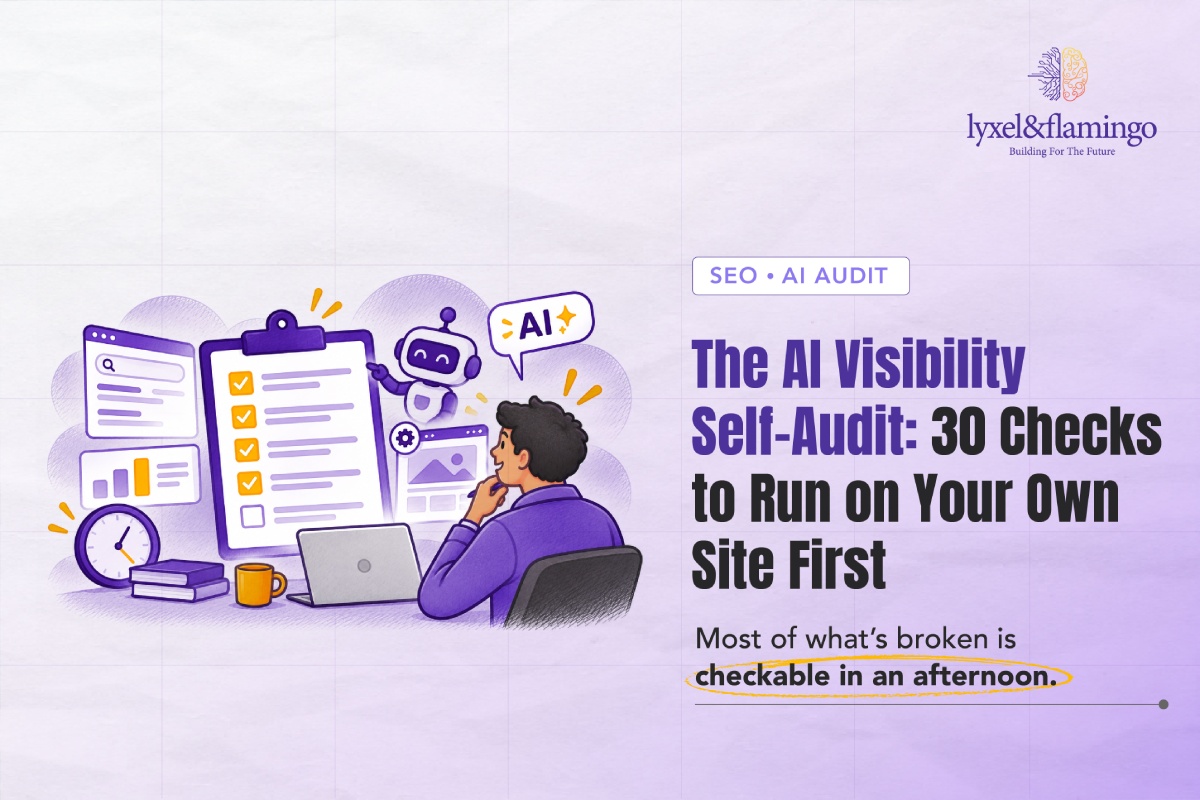
Without Person schema, the bio page exists but the entity does not. A well-written bio page without schema is comprehensible to a human, invisible to a system that processes structured data. The AI Visibility Self-Audit has a dedicated schema check that covers Person schema alongside Organisation, FAQPage, and Article markup, and author schema consistently emerges as the most commonly absent element.
How Do You Build External Author Entity Signals That Matter?
External entity signals cannot be manufactured in a single campaign, and shortcuts, paid directory listings, generic expert roundup inclusions, or low-authority press releases, do not produce the independent corroboration that AI systems and quality raters weight. The signals that matter are earned through the author’s actual professional activity, surfaced through strategic combinations of digital PR, thought leadership placement, and professional registration maintenance.
The practical build for external entity signals starts with the foundations: verifying that the author’s LinkedIn profile is complete and public, ensuring they appear by name on their institutional employer website if applicable, and confirming that any published academic or professional work is listed in publicly accessible archives. These baseline signals cost no additional resource. They require only the mapping of what already exists and the fixing of gaps.
The next layer is earned media: placing the author as a named commentator in relevant industry publications, arranging bylined articles on credible third-party platforms, and securing speaker slots at indexed industry events. Each generates a new external node that references the author entity. The final layer is formal registration: professional association memberships, regulatory body listings, and accreditation records that place the author in a structured external database. These are the signals that carry the most weight with quality raters because they cannot be faked, gamed, or self-generated.
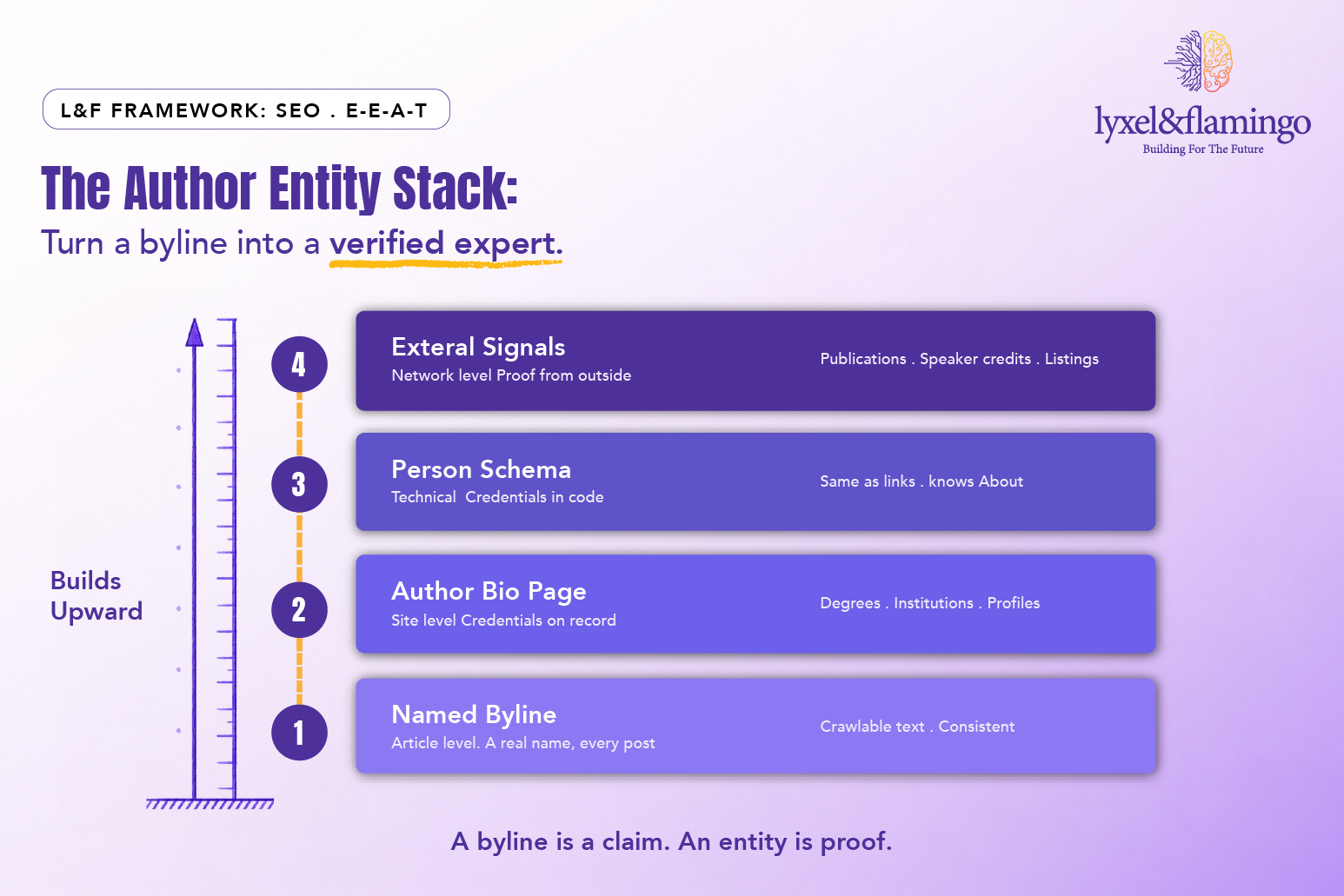
The Author Entity Stack
Layer 01: Named Byline (Article-level)
A real full name appearing in crawlable text on the published article page, consistent across all content the author has produced on the site. The byline is the minimum viable author signal: without it, no content can be attributed to a person at all, which is an immediate E-E-A-T failure for any topic where Google guidelines require demonstrated expertise.
Layer 02: Structured Author Bio Page (Site-level)
A standalone, indexable page that explicitly presents the author qualifications, years of experience in the domain, named institutions, publications, and links to external professional profiles. This is where the assertion of expertise becomes parseable. Not a sidebar widget. Not a two-line footer bio. A dedicated, linked, crawlable page with specific verifiable credentials.
Layer 03: Person Schema (Technical)
Machine-readable declaration of author identity and credentials. The sameAs array links the on-page author identity to their LinkedIn, institutional directory, Google Scholar profile, and any other authoritative external registries where they appear by name. This is what allows a knowledge graph to confirm that the person claiming expertise on your page is the same person recognised as an expert by independent external sources.
Layer 04: External Entity Signals (Network-level)
Third-party corroboration of the author expertise from sources the author did not control: medical journals citing their research, industry publications profiling their work, conferences listing them as speakers, government advisory bodies naming them as contributors. Each signal reinforces the author entity with independent validation. This is the layer that converts an assertion into a verified claim for AI retrieval systems and quality raters.
Client Proof Point
Rainbow Hospitals‘ E-E-A-T audit conducted by L&F identified significant author-level authority gaps across their content library. A substantial proportion of clinical content pages had no named medical author, no linked author bio page, and no Person schema, despite covering YMYL topics where Google guidelines require demonstrable medical expertise. The scorecard identified specific remediation priorities across all four layers of the Author Entity Stack: byline implementation, structured bio page creation, Person schema deployment, and an external entity signal strategy for the clinical team.
Key Takeaways
- A byline is an assertion. An author entity is a verified claim. AI systems and quality raters can only confidently weight the latter.
- The Author Entity Stack has four sequential layers: named byline (article-level), structured bio page (site-level), Person schema (technical), and external entity signals (network-level). Each layer is necessary; none is sufficient alone.
- Person schema, specifically the
sameAsfield, is what connects on-page author identity to external footprint, making the credential claim verifiable rather than asserted. - External entity signals cannot be manufactured through paid directories or generic listings. They must be earned through actual professional activity: publications, speaker credits, institutional listings, and indexed press coverage.
- Most Indian brands with expert employees are losing E-E-A-T authority because their experts’ credentials are not structured in a form that crawlers and AI systems can read and weight.
The CXO Takeaway
For a CXO, the author entity investment is unusual in one respect: it does not require new content. The organisation almost certainly already employs people with genuine expertise. The investment is in structuring that expertise into a form that AI systems can identify, verify, and trust. The Rainbow Hospitals audit showed that the gap is rarely about the absence of qualifications. It is almost always about the absence of structured signals that communicate those qualifications to the systems making citation decisions. The expertise already exists. The architecture for communicating it does not.
Frequently Asked Questions
Authors writing on topics covered by Google YMYL guidelines (health, finance, legal, safety) require the full four-layer Author Entity Stack. Authors writing on lower-stakes commercial topics benefit from layers 1 and 2 and from Person schema, though the urgency is lower. The triage should be: identify which topics require demonstrated expertise for E-E-A-T compliance, and prioritise those authors for the full stack first.
The same four layers apply. A freelancer or agency writer with genuine expertise, credentialed in the relevant domain, with a published bio page and Person schema, produces an equally strong author entity as an in-house employee. The key discipline is that the credentials claimed must be real and verifiable. Using a freelancer real name and real credentials, structured properly, is valid. Using a pseudonym or claiming credentials the writer does not hold is not.
The sameAs field accepts an array of URLs that refer to the same person on external platforms. In practice, this typically includes the author LinkedIn profile URL, their page on their institutional employer website, their Google Scholar profile if they have academic publications, and any other authoritative directory where they appear by name. Each URL you include gives the crawler a node to follow and verify. The more of these nodes that exist and are consistent, the stronger the entity confidence score.
Not strictly necessary, though still beneficial. For informational content on commercial topics, a named byline and a well-structured bio page produces meaningful E-E-A-T improvement even without the full schema and external signal layer. For YMYL content, the full four-layer stack is not optional: it is the minimum viable author authority structure that meets Google own stated quality guidelines.