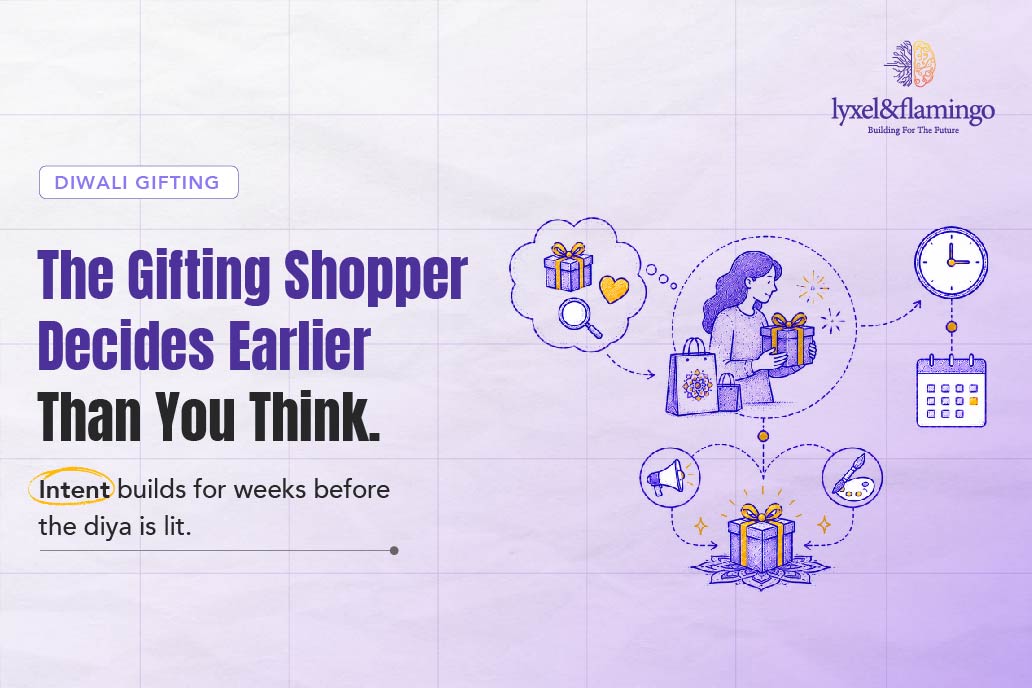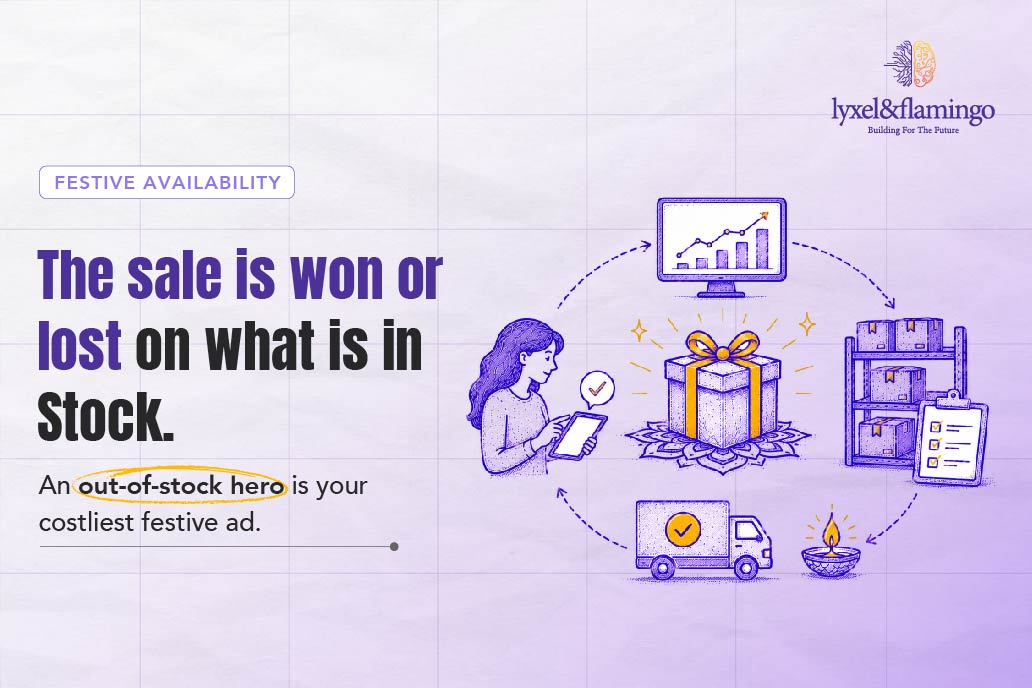

What This Blog Covers
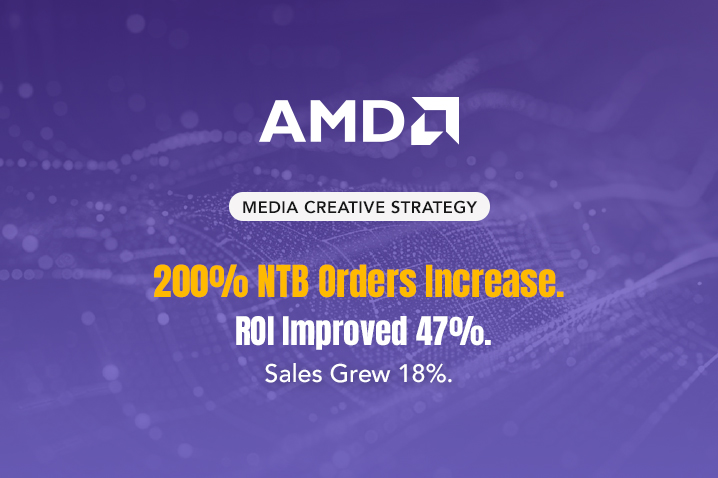
When every seller on Amazon cuts prices during a sale event, discounting to keep pace quietly erodes margin without building anything that outlasts the sale. This blog breaks down how AMD grew new-to-brand orders 200%, sales 18%, and ROI 47% using full-funnel segmentation and disciplined budget sequencing instead of coupon depth. It is a practical framework for any premium brand that needs new customers during a discount-heavy window without discounting to get them.
Quick Answer: Winning new-to-brand customers during a discount-heavy sale event depends on segmentation, not price. Split budget by product tier and sub-category, spend upper-funnel dollars on awareness before the sale starts, reserve search budget for high-intent terms once demand peaks, and measure success by new-to-brand order share and ROI rather than top-line sales alone. AMD ran exactly this sequence on Amazon and grew NTB orders 200% while lifting ROI 47%, without adding a single incremental discount.
Table of Contents
- Why Matching the Discount Is the Wrong First Move
- The Segmentation Layer Most Sellers Skip
- Building Awareness Before the Sale Goes Live
- Where to Spend Once the Sale Is Live
- Measuring New-to-Brand Value Beyond Day One
- What to Do With the Budget You Did Not Discount Away
- Framework Explained
- Key Takeaways
- CXO Takeaway
Why Matching the Discount Is the Wrong First Move
The reflex during a marketplace sale event is to protect share of voice by cutting price alongside everyone else. That reflex treats the sale like a single event rather than a funnel that starts weeks earlier. A shopper who buys because of a coupon is not necessarily a customer who returns once the coupon disappears.
AMD faced a version of this problem in a category dominated by one large competitor. Rather than compete on price against a rival with deeper discount reserves, the team built a strategy around new-to-brand acquisition instead, using product segmentation to find where AMD could win attention without winning a price war.
The Segmentation Layer Most Sellers Skip
Most Amazon sellers run one undifferentiated campaign across an entire catalog during a sale window. AMD split spend by product category (gaming, non-gaming, AIO, desktop) and then again by OEM sub-category, treating each segment as its own micro-funnel with its own budget logic.
This mattered because not every segment behaves the same way during a sale. Some categories convert on search intent alone. Others need an upper-funnel nudge first. Collapsing them into one campaign means the loudest segment absorbs the budget that a quieter, higher-margin segment actually needed.
Building Awareness Before the Sale Goes Live
AMD tested multiple upper-funnel ad formats, including custom banners and display placements, ahead of the central sale event to build category awareness before demand peaked. This is the step brands skip when they are focused only on the sale week itself.
The logic is straightforward: a shopper who has already seen the brand once is cheaper to convert on day one of the sale than a shopper encountering it for the first time in a crowded search results page. Awareness spend before the event effectively subsidizes a lower cost of acquisition during it, which is part of why inventory and buy-box readiness has to be locked in before the awareness spend even starts; otherwise, the demand it builds has nowhere to land.
Where to Spend Once the Sale Is Live
Once the sale event began, AMD prioritized search campaigns for lower-funnel conversion, having already identified which segments were profitable during the awareness phase. Budget moved toward the categories and OEM sub-segments showing the strongest early signal, rather than staying static across the whole catalog.
This is the opposite of panic-spending across every listing at once. It is sequential: awareness first, then a deliberate reallocation toward what is actually converting, with search capturing the demand that upper-funnel spend already created.
Measuring New-to-Brand Value Beyond Day One
The headline number worth tracking is not total sale-week revenue. It is new-to-brand order share, since that is the metric that tells you whether the sale grew the customer base or simply pulled forward purchases from existing buyers.
AMD’s results make the case directly: an 18% lift in sales is a solid outcome on its own. A 200% jump in new-to-brand orders alongside a 47% ROI improvement is the number that compounds. New customers acquired without a discount crutch are customers with no coupon-trained expectation going into their next purchase.
What to Do With the Budget You Did Not Discount Away
Every rupee not spent on incremental discounting is a rupee available for the awareness and segmentation work above. Brands that discount reflexively during sale events are, in effect, funding their competitors’ upper-funnel budgets by ceding that ground entirely.
The brands that come out of festive season with a larger customer base, not just a larger sale-week number, are the ones that treated the event as a full-funnel exercise rather than a price negotiation.
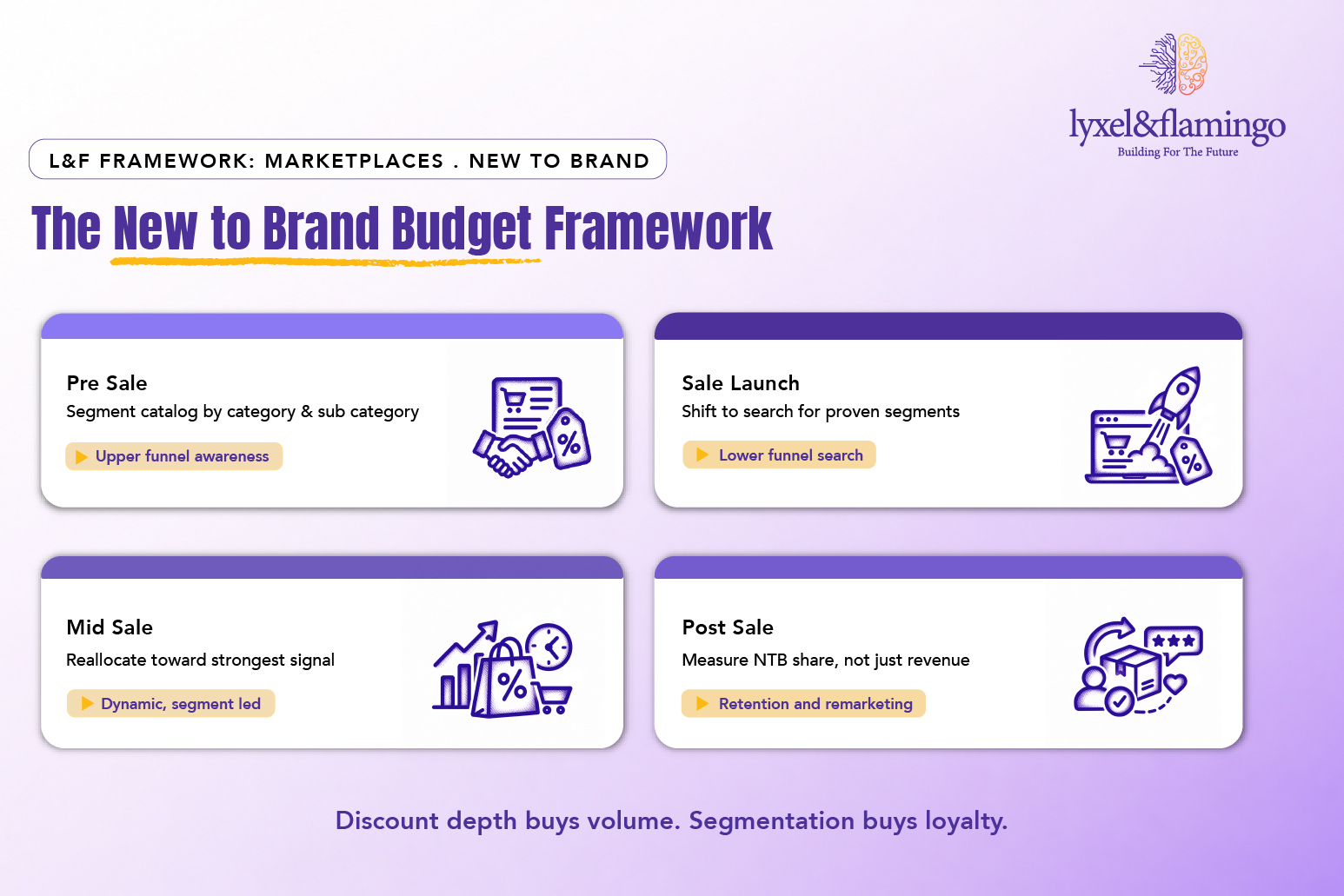
Framework Explained
- Segment before you spend: Category and sub-category splits reveal which parts of the catalog can win on merit, not price.
- Awareness before search: Upper-funnel spend ahead of the sale lowers the cost of the search conversions that follow.
- Reallocate live: Budget should move toward proven segments mid-sale, not stay fixed from a pre-event plan.
- Measure NTB, not just revenue: New-to-brand share is the number that tells you whether the sale built anything lasting.
AMD grew new-to-brand orders by 200%, lifted ROI by 47%, and increased sales by 18% on Amazon during a highly competitive sale period, without adding incremental discounts. The strategy relied on full-funnel segmentation by product category and OEM sub-category rather than price cuts. Read the full AMD case study.
Key Takeaways
- Matching a competitor’s discount during a sale event protects share of voice for a week and nothing beyond it.
- Segmenting the catalog by category and sub-category, not treating it as one campaign, is what let AMD find where it could win on merit.
- Upper-funnel awareness spend before the sale lowers the cost of the search conversions that happen once the sale is live.
- New-to-brand order share, not sale-week revenue, is the metric that shows whether the event grew the business or just pulled forward existing demand.
CXO Takeaway
The question worth asking before the next sale event is not “how much do we discount to stay competitive.” It is: what percentage of this sale’s revenue will still be a customer in ninety days?
A sale strategy built on discount depth wins the week. A sale strategy built on segmentation and sequencing wins the customer.
If your festive campaigns are still being planned as one flat push across the catalog, Lyxel&Flamingo can help you build the segmentation and sequencing layer that turns a discount-heavy season into a new-to-brand acquisition engine, the way it worked for AMD.
Frequently Asked Questions
Yes, the segmentation logic scales down: even a catalog of a few dozen SKUs can be split by category or price tier, with the same pre-sale awareness and live-sale reallocation sequence applied at a smaller budget.
There is no universal ratio. AMD’s approach was to test upper-funnel formats ahead of the event to identify profitable segments, then shift decisively toward search once the sale started. The split should follow the data from that pre-sale test, not a fixed rule.
That pressure is exactly why segmentation matters more, not less. Instead of discounting the whole catalog, identify the segments where the brand has a genuine merit advantage (materials, warranty, sub-brand strength) and concentrate spend there instead of competing on price everywhere at once.
AMD’s results reflect a sustained campaign period, not a single sale week. Expect the pre-sale awareness phase to take several weeks to build before the live-sale reallocation shows its full effect.