What this blog covers
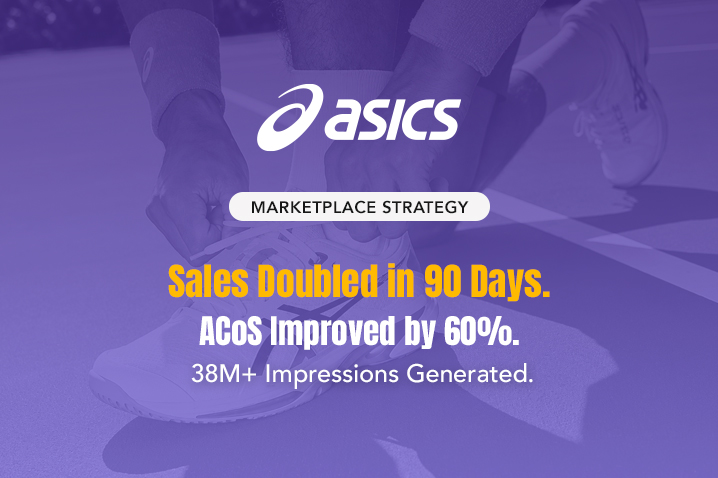
Search term mining means reading the actual queries behind your clicks and orders, grouping them by intent and acting on each group: promote converting terms, add wasteful ones as negatives, rewrite titles and bullets with shopper language and build content around recurring questions. The ASICS case describes capturing brand keywords, targeting sports where ASICS leads and targeting sub-brands, with reported results of a 60% lower ACoS over three months, more than 100% growth in attributed sales over one year, over 38 million impressions across three months and brand store organic traffic up more than 40% month on month. Query data also shows how shoppers phrase prompts to assistants.
Quick Answer: Download your search term reports weekly. Sort queries into groups: brand, competitor, category, feature, use case and question. Promote queries that convert into exact or phrase campaigns, add irrelevant and wasteful queries as negatives, move strong terms into titles, bullets and backend fields where the platform allows them and use recurring questions to plan A+ content, FAQs and images. Judge each group on conversion and ACoS, and keep a log of changes so you can link results to actions.
Table of Contents
- Why Query Reports Beat Guesswork
- Step One: Collect and Clean the Data
- Step Two: Sort Queries Into Groups
- Step Three: Act on Each Group
- Step Four: Feed the Listing
- What the ASICS Case Shows
- Query Language as Prompt Language
- The Search Term Mining Framework
- Client Proof From Our Work
- Key Takeaways
- CXO Takeaway
Why Query Reports Beat Guesswork
Keyword research tools estimate demand. Search term reports show what real shoppers typed to reach your products and what happened next. The data comes from your own catalogue and your own ads, which makes it specific, current and free.
Mining it well fixes two problems at once. Ads waste less money on terms that never convert, and listings speak the language shoppers use. Our guide on Amazon SEO across ranking, ads and conversion explains how organic rank, ad performance and conversion lift each other, and our piece on common Amazon PPC mistakes lists the habits that waste spend.
Step One: Collect and Clean the Data
Pull search term reports for each ad type you run at a regular rhythm, weekly for busy accounts and fortnightly for smaller ones. Keep a rolling history in a spreadsheet or database, since platforms limit how far back reports go.
Clean it. Merge duplicates, remove spelling variants into one row, add columns for impressions, clicks, orders, spend and sales, and calculate click-through rate, conversion rate and ACoS for each query. Flag queries with enough clicks to judge, since a term with three clicks tells you little. Set a click threshold, such as a number that would produce a sale at your average conversion rate, and treat terms below it as still learning.
Step Two: Sort Queries Into Groups
Group queries by what the shopper wants.
Brand queries: Name your brand or your products. They usually convert well and need protection.
Competitor queries: Name rival brands. They convert at lower rates and need a clear reason to be there.
Category queries: Describe the product type, such as “running shoes for men.” They bring volume and demand strong listings.
Feature queries: Name a spec or benefit, such as “cushioned” or “wide fit.” They reveal what shoppers care about.
Use-case queries: Name a situation, such as “shoes for flat feet” or “marathon training.” They show the jobs your product is hired for.
Question queries: Read like sentences. They show the information gaps in your content.
Tag each query with its group. Patterns appear fast: perhaps feature queries convert far better than category queries, or one sub-brand draws more questions than the rest.
Step Three: Act on Each Group
Every group has a clear action.
For converting queries, create or adjust exact or phrase match campaigns with controlled bids, so you capture them reliably. For queries with many clicks and zero orders, add negatives, starting with the clearest mismatches. For brand queries, keep a dedicated campaign so competitors cannot take your name. For competitor queries, test carefully, and set a ceiling on spend. For use-case and feature queries, create themed ad groups with matching creative.
Review the effect after a fixed window. Our guide on Amazon advertising for 2026 explains how Sponsored Products, Sponsored Brands and video fit together, and our walk-through of Amazon banned keywords helps you stay inside platform rules when you adopt shopper language.
Add negatives with care. Blocking a term can remove a sale you wanted, so use exact negatives first and move to phrase negatives when the pattern is clear.
Step Four: Feed the Listing
Query data belongs in your content as much as your campaigns. Move high-converting terms into the title, bullet points and description where they fit naturally, and use backend search fields where the platform provides them, following its current guidance. Write for people first. A title crammed with terms hurts conversion and can break platform rules.
Turn question queries into content. If shoppers keep asking “is this good for flat feet,” answer it in a bullet, an image callout or A+ content. Use feature queries to decide which images to lead with. Our guide on tips to increase Amazon conversion rate covers page elements that turn clicks into orders.
When queries show shoppers asking for something you lack, take that to the product team. A recurring request for a size, colour or feature is demand you can see before anyone else does.
What the ASICS Case Shows
The ASICS case study describes a brand with a limited India presence, entering as a late arrival against well-known rivals. The approach captured brand keywords, targeted the sports where ASICS leads and targeted sub-brands such as Kayano and Nimbus.
The case reports these results with the periods it states: ACoS down 60% in three months, AMS-attributed sales up more than 100% in one year, more than 38 million impressions over three months and brand store organic traffic up more than 40% on a month-on-month basis, with the period left unstated beyond that.
The case study leaves any search term report workflow undescribed, so read it as an example of keyword themes that follow shopper intent: brand, sport and sub-brand. Search term mining is the habit that finds themes of this kind in your own account and keeps checking that they still pay. Treat the figures as the outcome of the full programme and use them as direction.
Query Language as Prompt Language
Shoppers increasingly type in full sentences, much as they prompt assistants. The conversational queries in your report show how people phrase needs: “which running shoe is best for overpronation,” “shoes for long walks on concrete.” Those same phrasings guide the content that assistants and search engines surface.
Build pages and listing content that answer those questions plainly, with specifications, comparisons and short explanations. Our SEO and GEO tracking strategy explains how to combine query sources, and our GEO playbook covers how to earn citations. Google’s page on AI features and your website says standard SEO fundamentals apply to AI results, so the same clear answers serve both.
Where the platform offers deeper analytics, such as Amazon Marketing Cloud insights, combine them with query data to see how shoppers move from first search to purchase.
The Search Term Mining Framework
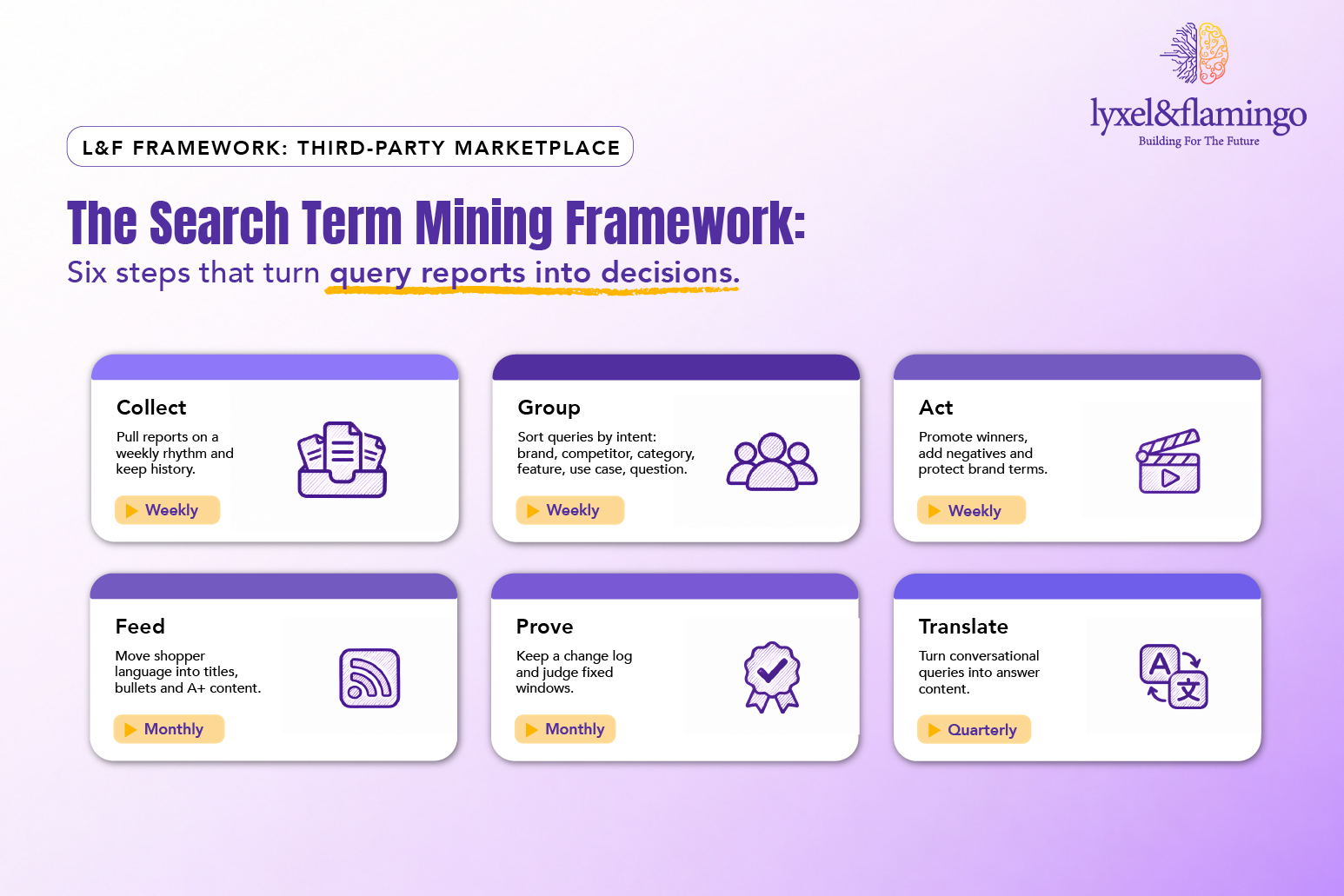
Framework Explained
Run the framework weekly. Collection and grouping prepare the data, and the other steps turn it into changes you can trace.
Step 1: Collect. Pull search term reports for every ad type on a set rhythm and keep a rolling history in your own files. Check: the history reaches back further than the platform’s report window.
Step 2: Group. Sort queries into brand, competitor, category, feature, use case and question groups. Check: every query with meaningful clicks has a group.
Step 3: Act. Promote converting queries into exact or phrase campaigns, add negatives with care and keep a dedicated brand campaign. Check: each week yields a list of promoted and blocked terms.
Step 4: Feed. Move shopper language into titles, bullets and A+ content where it reads naturally, and answer question queries on the page. Check: titles stay readable for people.
Step 5: Prove. Keep a change log, judge results over fixed windows and state periods when you report. Check: each result ties back to a logged change.
Step 6: Translate. Turn conversational queries into FAQs, comparison content and plain answers that assistants can quote. Check: new content exists for the top five question themes each quarter.
CLIENT PROOF POINT: Lyxel&Flamingo helped ASICS launch and grow on a marketplace as a late entrant. The case study reports ACoS down 60% in three months, AMS-attributed sales up more than 100% in one year, over 38 million impressions across three months and brand store organic traffic up more than 40% month on month. Read the full ASICS case study.
Client Proof From Our Work
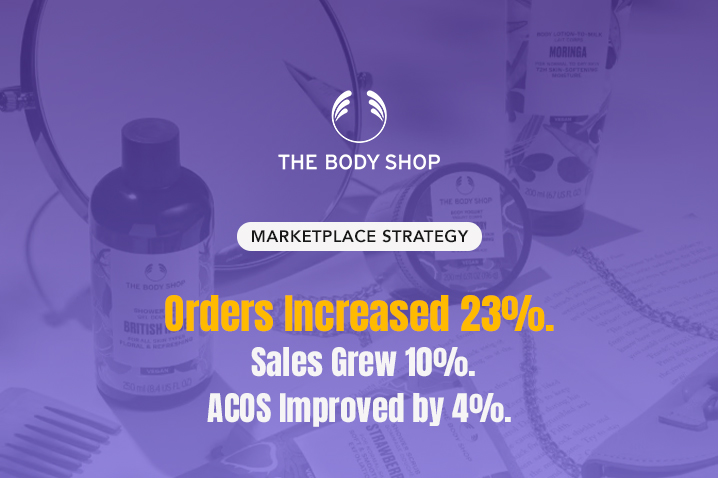
Keyword themes and negative keywords sit at the heart of query work. ASICS organised around brand, sport and sub-brand, and The Body Shop and Bosch added negative keywords regularly.
Check each period before comparing. ASICS and Bosch state some periods, and The Body Shop states none.
Key Takeaways
- Search term reports show what shoppers actually typed, which makes them free market research.
- Group queries by intent and act on each group with a clear rule.
- Move converting terms into exact or phrase campaigns, add negatives with care and feed shopper language into listings.
- ASICS reports a 60% lower ACoS in three months and over 100% attributed sales growth in one year.
- Conversational queries show how shoppers prompt assistants, so answer them plainly.
CXO Takeaway
When did someone last read your search term report line by line, and what did they change afterwards? The answer shows whether your ad budget learns or only spends. Lyxel&Flamingo’s marketplace team built the ASICS programme around keyword themes that follow shopper intent.
Frequently Asked Questions
Reading marketplace query reports to find which shopper queries convert, which waste spend and which reveal content gaps, then acting on each.
Weekly for busy accounts and fortnightly for smaller ones, with a rolling history kept in your own files.
It reports ACoS down 60% in three months, AMS-attributed sales up over 100% in one year, over 38 million impressions across three months and brand store organic traffic up over 40% month on month.
Conversational queries mirror the prompts shoppers give assistants, so answering them clearly supports both search engines and assistants.