
What this blog covers
This is the pillar guide to full-funnel media: the idea that brand-building and performance marketing are not rival disciplines competing for the same budget, but two halves of a single growth engine. We explain what full-funnel media actually means, why splitting it into two teams quietly caps your growth, and how the 4-S Signal Funnel (Salience, Signal, Sale, Stickiness) turns the whole funnel into one measurable system. You will see the framework stage by stage, a real full-funnel result, a leadership self-check, and answers to the questions CXOs ask most.
Table of Contents
- What Full-Funnel Media Actually Means
- Why the Brand-vs-Performance Split Is Quietly Capping Your Growth
- Brand and Performance Are One System
- The Operating Model: How the Engine Is Built
- Framework: The Full-Funnel Media Engine
- A Full-Funnel Engine in Action
- The Measurement Layer That Holds It Together
- Self-Check: Is Your Media One Engine or Two Silos?
- Key Takeaways
- Closing
What Full-Funnel Media Actually Means
Full-funnel media is a way of planning, buying and measuring media as one connected system: from the first moment a stranger becomes aware of your brand to the moment a loyal customer buys again, rather than as disconnected campaigns judged on their own local metrics.
Put simply, it treats every stage of the customer journey as part of the same machine, where each stage feeds the next:
- Upper Funnel (Brand): builds awareness and mental availability: it creates demand that does not convert today but will later.
- Mid Funnel (Consideration): nurtures interest: it warms the demand you created so it is cheaper to convert.
- Lower Funnel (Performance): captures demand: it harvests the intent the upper funnel manufactured.
- Retention (Lifecycle): compounds value: it turns a first purchase into repeat, higher-margin revenue.
The word that matters is connected. A full-funnel engine is not simply running ads at every stage; it is planning them together, budgeting them against one growth outcome, and measuring them on one scorecard, so a rupee spent on awareness and a rupee spent on conversion are judged by their contribution to the same business result, not by two metrics that never talk to each other.
Why the Brand-vs-Performance Split Is Quietly Capping Your Growth
For a decade, performance marketing won the argument. It was trackable, it was attributable, and every rupee had a ROAS next to it. Brand, by contrast, looked soft: hard to measure, slow to pay back, easy to cut. So most organisations built two teams, two budgets and two dashboards, and let them compete.
That split feels rational and is quietly expensive. Here is the mechanism. Last-click attribution hands the sale to the final touch, so the bottom-funnel campaign that harvests existing demand looks like a hero, while the upper-funnel work that created that demand looks like a cost centre. Cut the second to feed the first, and your dashboard looks better for a quarter, then branded search flattens, acquisition costs creep up, and growth stalls, because you have been harvesting a demand pool that nobody is refilling.
The evidence against the split is now overwhelming. Advertising works by moving people from exposure to memory to sale over time, not in a single click (Nielsen), and long-run profit is maximised when brand-building and activation are held in balance rather than collapsed into pure harvesting the basis of the 60/40 rule (IPA(Binet & Field)). Most categories also have far more future buyers than in-market ones, so a plan that only speaks to people ready to buy today ignores the majority of its market (Ehrenberg-Bass). The split does not just under-serve the brand; it structurally under serves growth.
The strategic reframe is simple: stop asking “brand or performance?” and start asking “is our demand-creation and demand-capture in balance?” That is the difference between demand creation and demand capture and running both as one system is what full-funnel media is for.
Brand and Performance Are One System
The reason to merge the two is not philosophical it is mechanical. Each half makes the other work harder:
- Brand makes performance cheaper: When more people already know and trust you, your conversion campaigns face warmer audiences, higher click-through rates and lower cost per acquisition. The brand work shows up as efficiency in the performance line.
- Performance makes brand accountable: Conversion and retention data tell you which brand messages actually move people to act, so brand stops being a leap of faith and becomes a measurable input to revenue.
- Together they compound: Demand created at the top is warmed in the middle, harvested at the bottom more cheaply, and turned into repeat revenue at the retention stage, and the profit from that repeat revenue funds the next wave of demand creation.
Run as silos, the two teams optimise against each other: brand chases reach the business cannot bank, performance strip-mines demand it did not create. Run as one engine, they optimise the same outcome. The question, then, is how you actually operate it as one system, and that is what the 4-S Signal Funnel is for.
The Operating Model: How the Engine Is Built
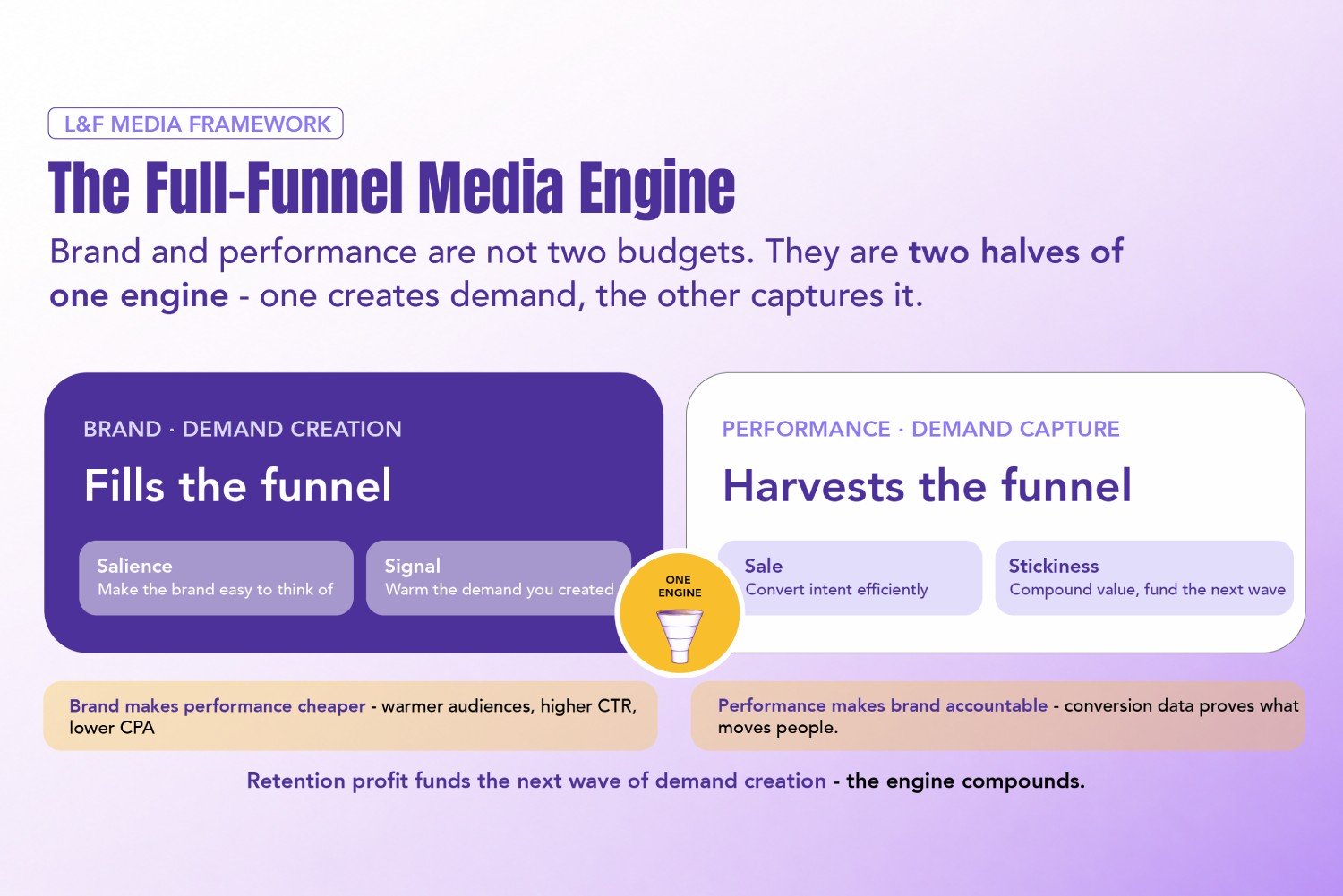
Seeing brand and performance as one engine is the mindset. Running it needs an operating model: a way to map the funnel so every stage has a clear job and a way to prove it is working. At L&F that model is the full-funnel media engine below: two halves, four connected stages, one shared outcome.
Framework: The Full-Funnel Media Engine
The engine runs across four connected stages, two on each side of the demand line:
- Salience (Brand): makes you easy to think of; it creates the demand the rest of the engine will capture.
- Signal (Brand): warms that created demand and makes it visible before it converts.
- Sale (Performance): harvests the intent efficiently, judged on blended return, not last-click alone.
- Stickiness (Performance): compounds value from existing customers, and the profit funds the next wave of demand creation.
What turns this from a diagram into an operating system is that each stage has a leading signal you can read before it produces a revenue number, so you can steer the whole engine weeks before the sales line agrees. Because those signals deserve a proper treatment, we detail them stage by stage in a dedicated whitepaper rather than repeat them here: Leading vs Lagging Marketing KPIs: The 4-S Signal Funnel. For this pillar the point is simpler; the four stages are one connected system, where demand creation on the left makes demand capture on the right cheaper, and retention pays for the next cycle.
A Full-Funnel Engine in Action
Consider a category-leading mattress brand (Kurlon) that had been running brand and performance as separate programmes: a brand team buying reach it could not bank, and a performance team harvesting search demand it did not create. Judged on last-click ROAS, the performance team looked efficient and the brand team looked expensive.
Rebuilt as a single full-funnel engine, the picture changed. Upper-funnel work rebuilt salience and the leading signals moved first: branded search rose 42% and a large engaged video audience formed at view rates well ahead of the norm. That created demand surfaced in the mid funnel as a 330% rise in overall traffic. Only then did the harvest follow: roughly 25X revenue from Google and a 920% jump in net revenue, because the performance team was now converting demand the brand work had manufactured, not scavenging a fixed pool. Same brand, same category, same budget envelope: the difference was running the funnel as one engine and reading the leading signals instead of steering by last-click alone.
The Measurement Layer That Holds It Together
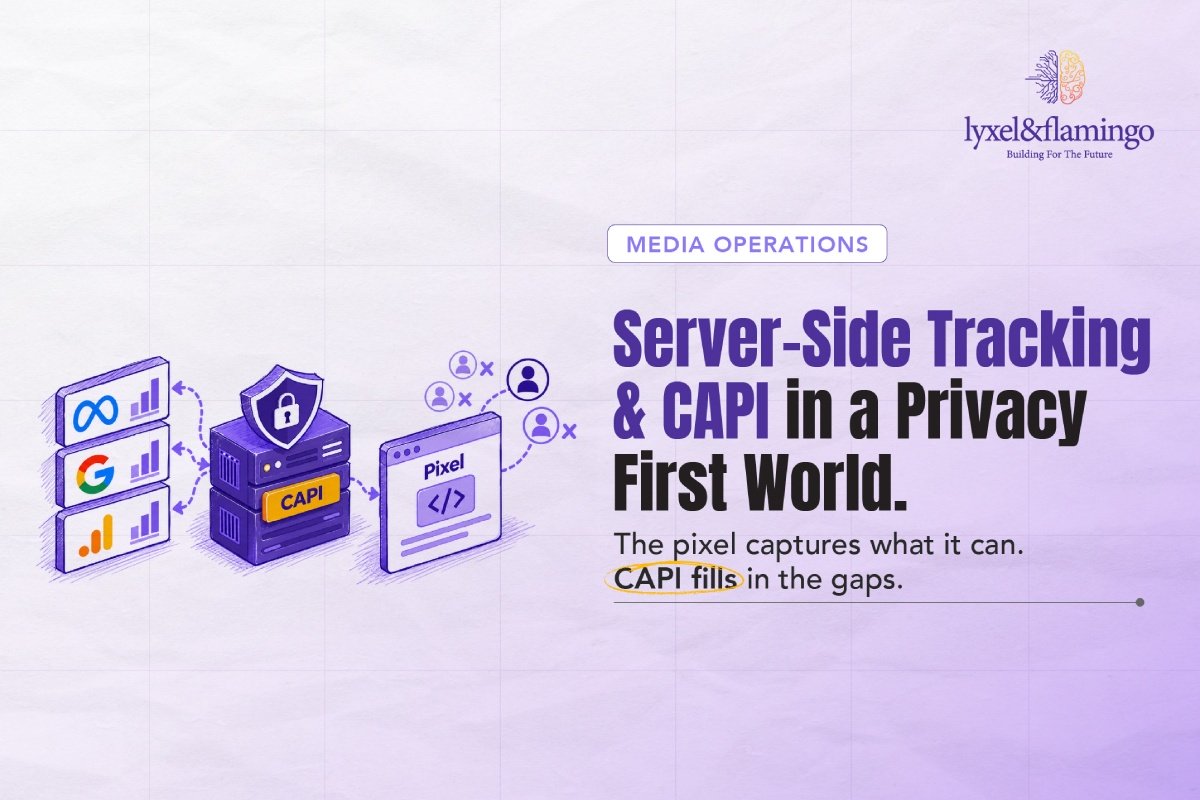
A full-funnel engine only works if its measurement is honest, because the moment you judge the whole system by last-click ROAS, you are back to two silos. Three disciplines keep it one system. First, a measurement framework that separates demand creation from demand capture, so the upper funnel gets credit for the demand it manufactures. Second, an attribution stack that blends MMM, incrementality and platform signals to prove causation rather than correlation. Third, clean event tagging: server-side, de-duplicated, fired on the action that matters, so the algorithm bids on real signal and your dashboard credits the right campaigns. Get the plumbing right and brand and performance stay on one scorecard; get it wrong and they drift back into competing dashboards.
Self-Check: Is Your Media One Engine or Two Silos?
Score your own operation. One point per yes:
- Brand and performance are planned against one growth outcome, not two separate budgets.
- Branded search and share of search sit on the leadership dashboard, next to revenue and ROAS.
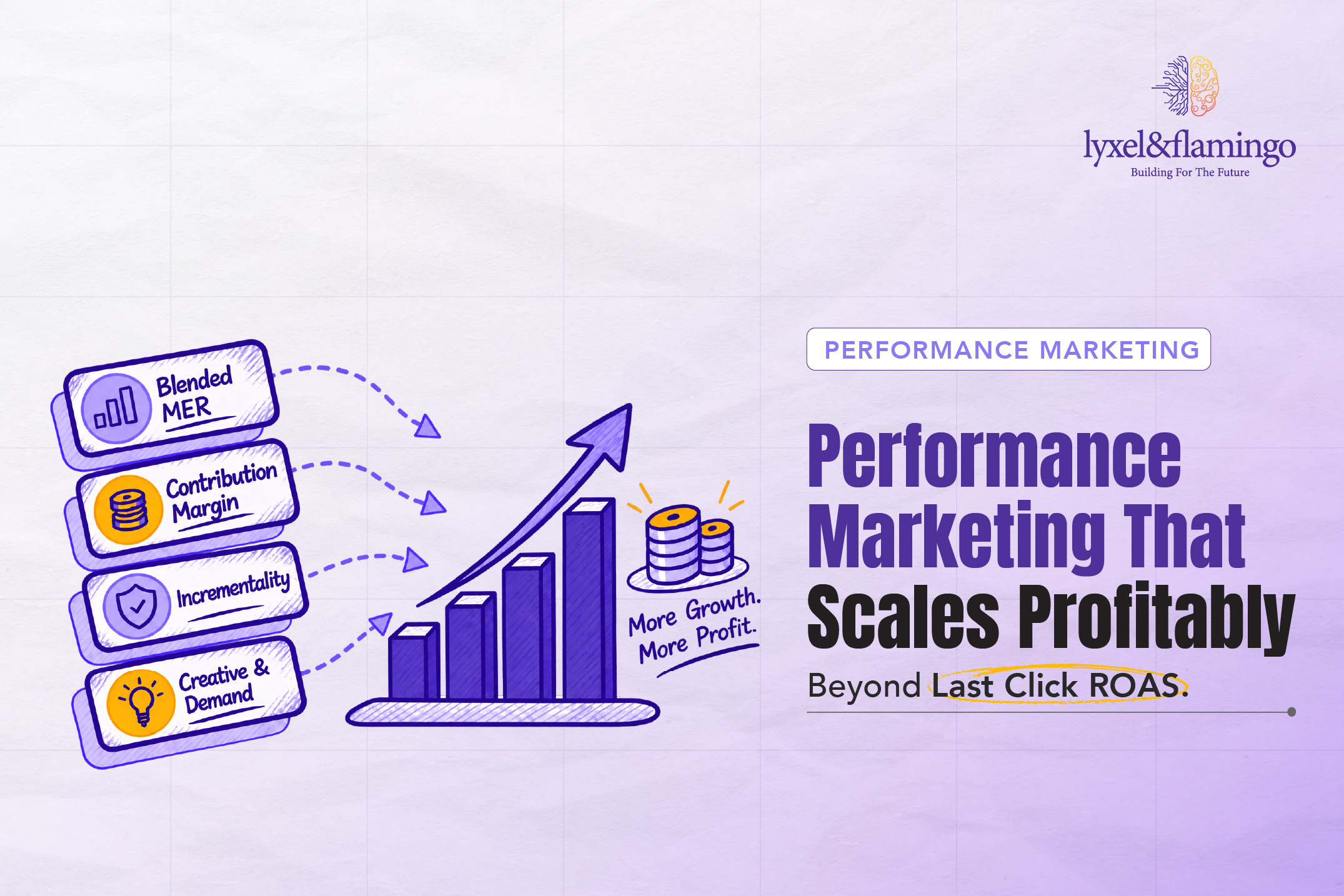
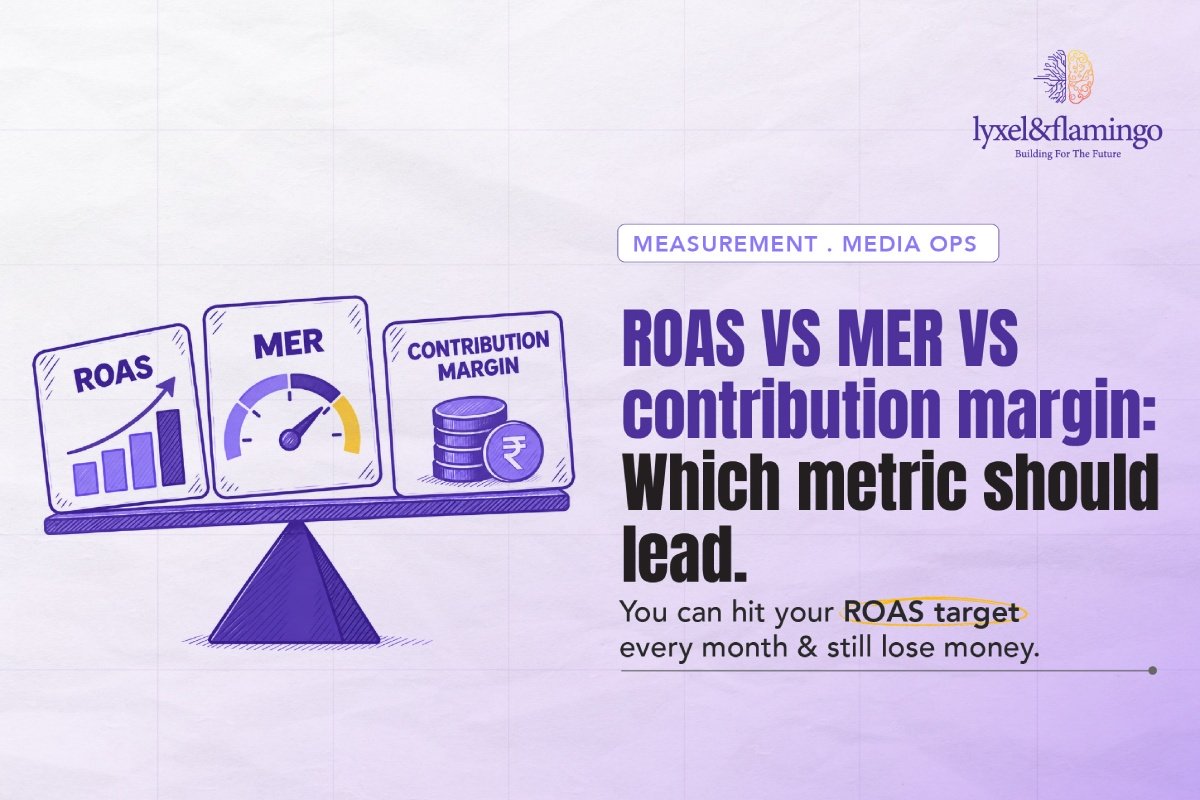
- You judge the bottom funnel on blended MER and contribution margin, not last-click ROAS.
- Direct and organic traffic are tracked as a demand-health signal.
- Retention contribution is measured as part of the media return.
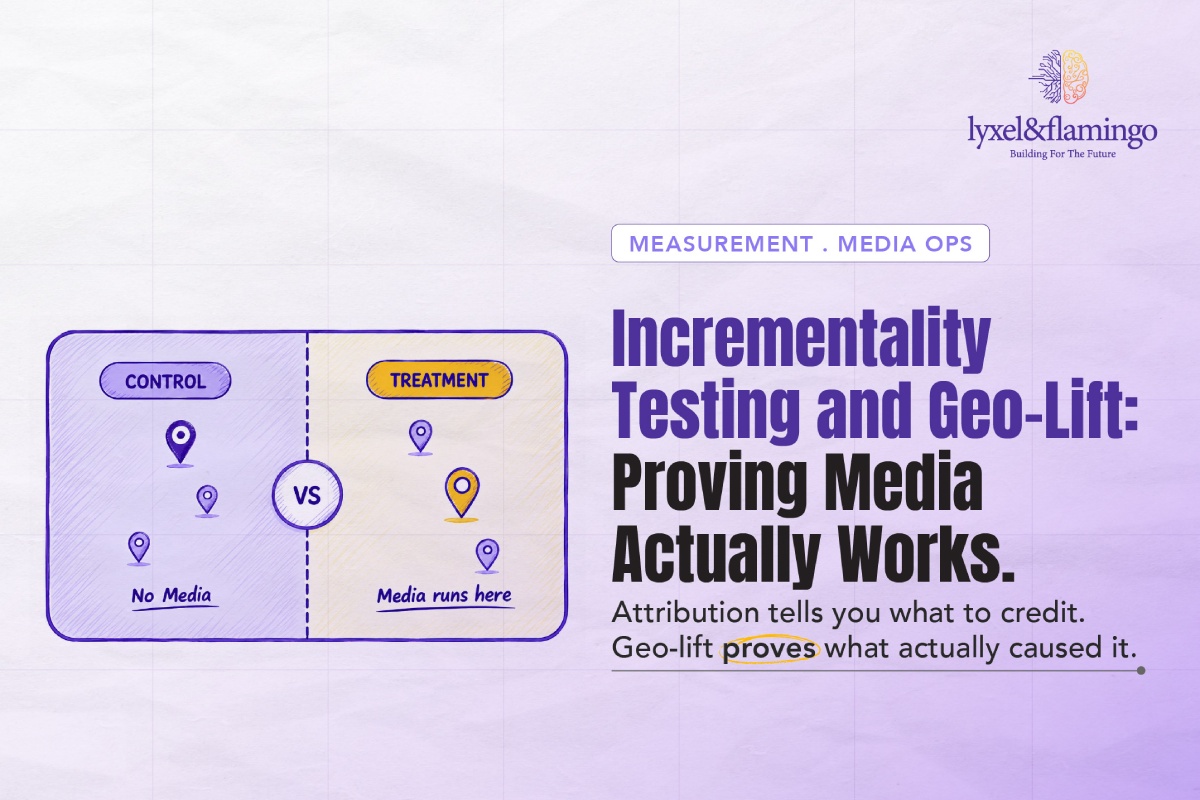
- At least one incrementality or geo-lift test runs each quarter.
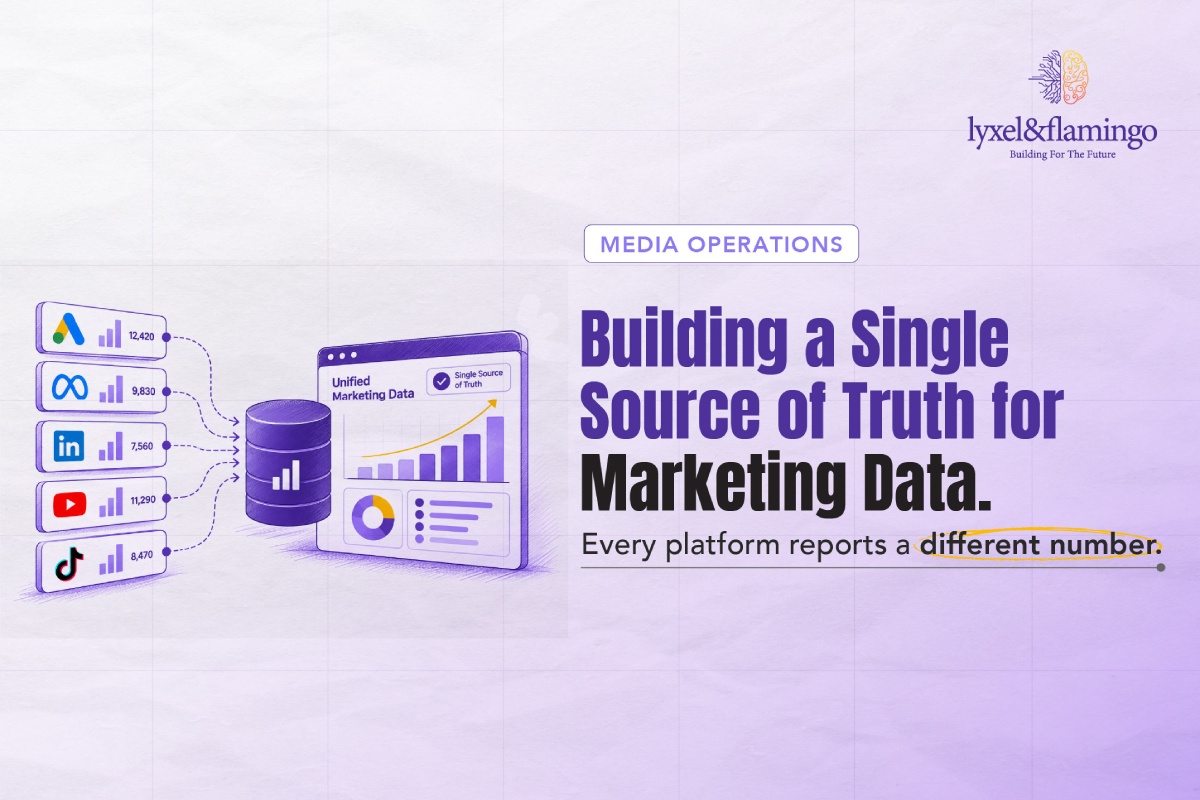
- One reconciled source of truth exists, not five disconnected platform dashboards.
Five or more yeses and you are running an engine. Three or fewer and you are running silos that quietly compete, and capping your own growth.
Key Takeaways
- Full-funnel media plans, budgets and measures brand and performance as one connected system, not two competing teams.
- The brand-vs-performance split is quietly expensive: last-click rewards harvesting and starves the demand creation that fuels future growth.
- Brand makes performance cheaper; performance makes brand accountable; together they compound.
- The 4-S Signal Funnel (Salience, Signal, Sale, Stickiness) operationalises the engine, giving every stage a leading signal you can read before revenue moves.
- Honest measurement: a demand-aware framework, a blended attribution stack, clean events, is what keeps the two halves on one scorecard.
Closing
Brand and performance were never really two things. They are the front and back of the same engine one creating demand, the other capturing it, both compounding when they run together. The brands that win the next few years will not be the ones that pick a side in an old argument. They will be the ones that stopped having it, built one engine, and learned to read the signals that tell them it is working.
Ready to run brand and performance as one engine?
L&F builds and runs the full-funnel media engine: creative to conversion to retention, for consumer brands across India and worldwide. If your brand and performance teams are optimising against each other, we will map your 4-S signals, unify the scorecard, and show you where growth is really coming from. Talk to L&F about full-funnel media and turn two silos into one engine.
Frequently Asked Questions
Full-funnel media is the practice of planning, buying and measuring media as one connected system across the whole customer journey: awareness, consideration, conversion and retention, so brand-building and performance marketing work as a single growth engine rather than two competing budgets.
No. Running ads at every stage is not the same as running a full-funnel engine. The difference is integration: planning the stages together, budgeting them against one growth outcome, and measuring them on one scorecard, so each stage is judged by its contribution to the same business result rather than by its own local metric.
Yes, and it is measurable. When more people already know and trust your brand, your conversion campaigns meet warmer audiences, higher click-through rates, better conversions, and lower cost per acquisition. The brand investment shows up as efficiency in the performance line, which is exactly why cutting brand to boost short-term ROAS tends to make acquisition more expensive over time.
There is no universal number, but the most-cited long-run benchmark is roughly 60% brand-building and 40% activation, adjusted for your category, growth stage and margin. A launch or category-creation play leans more to brand; a mature, demand-rich category can lean more to activation. The point is to hold them in balance rather than collapse everything into harvesting.
It is L&F's operating model for full-funnel media: Salience (upper), Signal (mid), Sale (bottom) and Stickiness (retention). Each stage has a leading signal - branded search and video view rate for Salience, direct and organic traffic for Signal, ROAS and high-intent conversions for Sale, retention contribution for Stickiness, so you can read the health of each stage before it produces a revenue number and act while it still matters.
Through leading signals and incrementality, not last-click sales. Watch branded search, share of search, and direct and organic traffic rise after your upper-funnel flights, and confirm causation with a simple geo holdout, pause the media in matched regions and compare outcomes. These prove the brand work is creating demand that the performance work later banks.