
Table of Contents
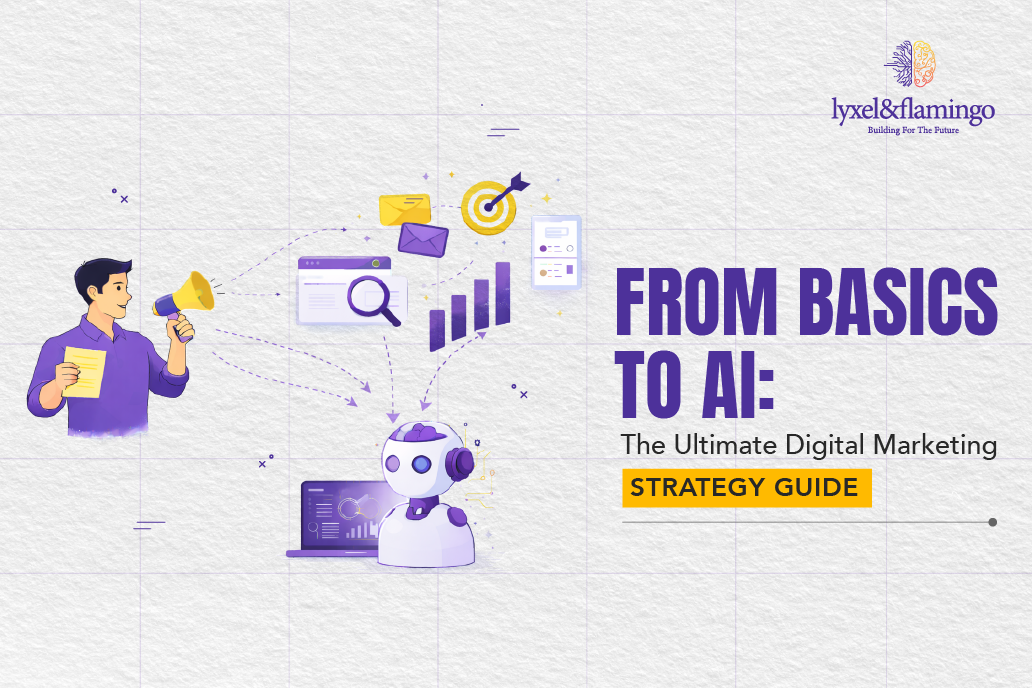
There is no shortage of digital marketing guides. Most of them explain channels, tools, and trends. Very few explain how digital marketing actually works as a growth system. Over the last few years, the discipline has changed significantly. Discovery is now algorithm-driven. Media buying is now algorithm-driven. Creative testing is now algorithm-driven. AI is influencing how users search, how platforms distribute content, and how campaigns are optimised.
This means that a strategy built on assumptions from a few years ago will not perform the same way today. The question is no longer which channels to use. The question is how all channels work together to move a customer from discovery to purchase and then to repeat purchase.
This is what a digital marketing strategy guide India should actually explain. Strategy is not channel selection. Strategy is deciding what you are trying to build in the market, how customers will discover you, why they will trust you, and how you will convert that trust into revenue over time.
This is where most brands struggle. They run campaigns, but they do not build a system.
Strategy vs Plan: The Most Common Confusion
In many organisations, digital marketing strategy and digital marketing plan are treated as the same thing. They are not.
A strategy defines:
- The business objective
- The market position
- The target customer
- The time horizon
- The competitive approach
- The growth model
A plan defines:
- Channels
- Budgets
- Campaign timelines
- Creative formats
- Targeting
- KPIs
Most brands have detailed plans but no clear strategy. That is why campaigns run, but growth is inconsistent.
A strategy answers the question: What are we trying to build?
A plan answers the question: What are we going to do this month?
This difference is important when building a performance marketing strategy for CMOs because performance marketing without brand and discovery strategy becomes expensive over time.
The Lyxel&Flamingo Digital Marketing Architecture
One useful way to understand digital marketing today is to divide it into four layers. Each layer has a different role, different channels, and different metrics.
| Layer | Objective | Channels | Metrics | AI Role | Common Mistake |
| Discoverability | Be found | SEO, GEO, Organic Social | Reach, traffic | AI search visibility | Ignoring discovery |
| Consideration | Build trust | Paid Social, YouTube, Influencers | Engagement, traffic | Creative testing | Only performance ads |
| Conversion | Drive sales | Search Ads, Marketplaces, Q-commerce | Sales, CPA | Bid optimisation | Poor landing pages |
| Retention | Increase LTV | CRM, Email, Community | Repeat purchase | Personalisation | No retention system |
This structure forms an integrated digital marketing framework brands can use to plan long-term growth rather than short-term campaigns.
The Discoverability Layer
The discoverability layer is where customers first encounter a brand. This may happen through search, social media, YouTube, marketplaces, or AI-generated answers. Many brands underestimate this stage because it is difficult to attribute directly to revenue.
Discoverability today includes:
- SEO
- GEO (AI search visibility)
- YouTube content
- Organic social media
- Influencer content
- Marketplace search visibility
This is where digital marketing channels explained India become important. Different channels play different roles in discovery.
The most common mistake brands make is underinvesting in discoverability and overinvesting in conversion campaigns. This leads to rising acquisition costs over time because the brand is not building awareness and demand at the top of the funnel.
The Consideration Layer
Once customers become aware of a brand, they enter the consideration stage. This is where they evaluate options, compare products, read reviews, and watch content.
Channels that influence consideration include:
- Paid social media
- YouTube
- Influencer content
- Product reviews
- Website content
- Comparison pages
- Retargeting ads
This is where creative quality becomes extremely important. In algorithm-driven advertising platforms, targeting is increasingly automated. The biggest performance difference often comes from creative and messaging, not targeting settings.
This is why consideration stage marketing is closely linked with content strategy and creative testing.
The Conversion Layer
The conversion layer is where customers make a purchase decision. This includes:
- Search ads
- Shopping ads
- Marketplace ads
- Q-commerce platforms
- Website landing pages
- App install campaigns
This is the most measurable layer and the layer most brands focus on. However, conversion campaigns work best when discoverability and consideration layers are strong.
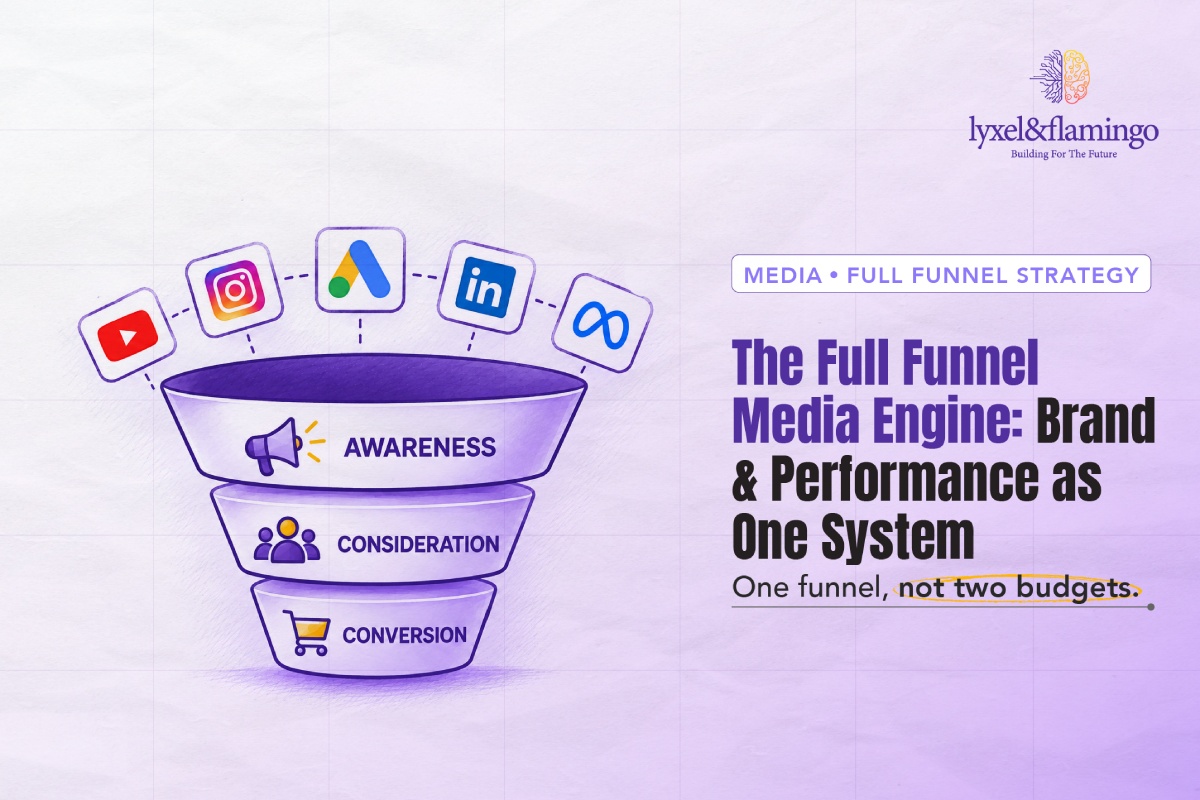
This is a key part of full funnel digital marketing planning. Conversion campaigns capture demand. They do not create demand.
The Retention Layer
Retention is the most underestimated part of digital marketing. Acquiring a new customer is usually more expensive than retaining an existing one. Retention includes:
- Email marketing
- CRM
- Loyalty programs
- Community building
- WhatsApp marketing
- Subscription programs
- Remarketing
Brands that invest in retention improve lifetime value, which allows them to spend more on acquisition and grow faster.
The Role of AI in Digital Marketing Strategy
AI is changing digital marketing in three major ways:
- Discovery: Users are increasingly discovering brands through AI-generated answers and recommendations, not just search engines.
- Creative production: AI tools are now used to generate ad creatives, scripts, thumbnails, and content variations at scale.
- Media optimisation: Most advertising platforms now use algorithmic bidding. Human control over targeting is decreasing. Creative and data quality are becoming more important.
This is why AI digital marketing strategy 2026 is not about using AI tools alone. It is about understanding how AI is changing discovery, content production, and media optimization.
Channel Selection in India
When discussing digital marketing channels explained India, it is important to understand that different channels play different roles.
| Channel | Role |
| Google Search | High intent conversion |
| Meta Ads | Demand generation and retargeting |
| YouTube | Awareness and consideration |
| SEO | Long-term discoverability |
| GEO | AI search visibility |
| Marketplaces | Conversion |
| Q-commerce | Immediate purchase |
| Influencers | Trust and consideration |
| Email / CRM | Retention |
This is why a strong integrated digital marketing framework brands should include multiple channels working together rather than relying on one channel.
Final Strategic Insight
Digital marketing strategy is not about running ads. It is about building a system that moves customers from discovery to purchase and then to repeat purchase.
Most brands focus heavily on the conversion layer because it is measurable. The brands that grow consistently invest across all four layers:
- Discoverability
- Consideration
- Conversion
- Retention
This is what digital marketing strategy services actually means. It is not about running campaigns. It is about building a growth system.
How Lyxel&Flamingo Builds Digital Marketing Systems for Brands
Many brands run multiple digital campaigns but still struggle with consistent growth because their channels are not integrated into a single strategy.
Lyxel&Flamingo works with brands to build structured digital marketing systems that include:
- Discoverability strategy through SEO and GEO
- Consideration strategy through content, paid media, and influencers
- Conversion strategy through search, marketplaces, and landing optimisation
- Retention strategy through CRM and lifecycle marketing
- AI integration for creative testing and campaign optimisation
- Full funnel planning and performance marketing strategy for CMOs
The objective is not just to run campaigns, but to build a scalable digital growth system.
Frequently Asked Questions
A digital marketing strategy defines long-term business goals and customer acquisition approach, while a digital marketing plan outlines the channels, budgets, and campaigns used to execute that strategy.
AI has changed how customers discover brands, how content is produced, and how advertising platforms optimize campaigns, making creative and data more important than manual targeting.
Most Indian brands should prioritise Google, Meta, YouTube, SEO, GEO, marketplaces, influencers, and CRM depending on their category and growth stage.
Start with business goals, map the customer journey from discovery to purchase, and assign channels and budgets to each stage of the funnel.
Performance marketing focuses on immediate measurable actions such as leads or sales, while brand marketing builds awareness and trust that improves long-term conversion efficiency.