
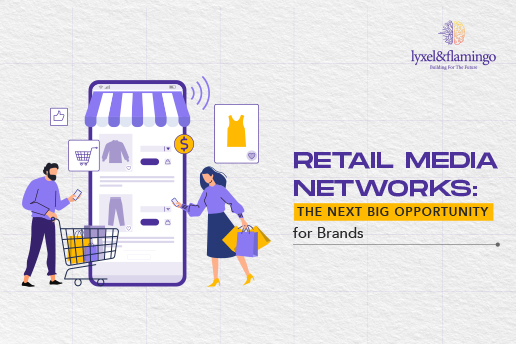
Retail is no longer just a place where transactions happen. It has become the newest and one of the most powerful advertising environments. As shoppers move seamlessly between online browsing, in-store discovery and marketplace purchases, retail platforms have evolved into high-value media channels that influence decisions at the closest point to conversion. This ecosystem is now known as retail media networks, and in 2026, it represents one of the biggest growth avenues for brands aiming to strengthen visibility, scale performance and create meaningful omnichannel impact.
Across major digital commerce platforms and quick-commerce apps, retail media is reshaping how brands think about discovery. The ability to advertise inside a retail environment, surrounded by purchase intent and first-party audience insights, is fundamentally different from traditional advertising. It is targeted, measurable and commercially aligned. Brands looking to elevate performance on marketplaces, improve category share and accelerate growth are increasingly turning to retail media network advertising as a core tactic.
At Lyxel&Flamingo, we have worked with brands across categories that now treat retail media as a central pillar of their full-funnel marketing systems. The transformation is evident: as audiences spend more time shopping online, retail platforms are no longer just distribution partners. They have become powerful media owners, unlocking new opportunities for e-commerce marketing strategies, brand storytelling and real-time optimisation. Below, we explore what this shift means, how retail media networks work and what brands must do to win this new landscape.
What Are Retail Media Networks and How Do They Work?
A retail media network is a platform where retailers allow brands to advertise directly within the shopping ecosystem. Unlike traditional digital ads placed across social or search channels, retail media ads appear exactly where buying intent is already active. These ads might show up on homepages, category pages, search results, product listings or even post-purchase screens.
Retailers collect vast amounts of first-party data through browsing habits, purchase history, abandoned carts and shopper demographics. This data enables highly precise audience targeting, which forms the backbone of retail media networks. For brands, the advantage is clear: ads are delivered to people who are already in a shopping mindset, reducing friction and improving performance.
Retail media networks operate across multiple formats. These may include sponsored product placements, banner ads, in-app discovery units, brand stores, video formats and special event promotions. Some retailers also offer off-platform advertising, where first-party data is used to target consumers across external channels like social media or OTT platforms.
The result is a unified system where advertising, commerce and analytics converge, allowing brands to track influence from impression to conversion with exceptional clarity.
Why Retail Media Networks Are a Game-Changer
The rise of retail media is not accidental. It is happening because of three converging factors. First, retailers now possess some of the richest consumer datasets in the digital world. Second, privacy limitations have reduced the availability of third-party cookies, making retailer-owned data even more valuable. Third, brands want advertising environments where impact is measurable and tied directly to sales outcomes.
This is why retail media opportunities for brands are growing at a faster pace than most traditional advertising channels. Retailers provide audiences with high shopping intent, and brands get measurable outcomes that connect media investment directly to business growth.
As a result, retail media is no longer a niche add-on. It has become a mainstream marketing investment for brands across sectors including FMCG, beauty, electronics, fashion and home care. What began as sponsored search has evolved into a full-funnel advertising engine.
How Can Brands Advertise Effectively on Retail Media Networks?
Advertising on retail platforms is most effective when brands align storytelling with commercial goals. Marketplace brand promotion depends heavily on visibility at high-intent touchpoints and seamless shopper journeys that lead directly to conversion. Success in retail media requires more than campaign setup. It needs the right balance of exposure, relevance and performance optimisation.
The foundation begins with understanding the platform. Every retailer has its own system, guidelines, audience insights, inventory types and analytical tools. For example, Amazon, Flipkart, Myntra, BigBasket and various quick-commerce apps each offer unique ad placements and measurement capabilities. Winning on these networks means tailoring a brand’s presence to the rhythm of each platform.
A strong retail media strategy emphasises presence at high-intent touchpoints. Sponsored product ads ensure visibility when shoppers search for related items. Brand-led banners reinforce identity and expand discovery in crowded categories. Video ads are becoming increasingly important as retailers integrate richer media formats. For brands that want to scale rapidly, homepage takeovers and event placements can dramatically lift category share during peak seasons.
However, the most effective brands focus on a long-term approach rather than short bursts. Retail media is not simply about winning short-term impressions; it is about building consistent visibility throughout the consumer journey.
Which Retail Platforms Offer Strong Media Network Opportunities?
Most major commerce platforms now offer integrated advertising ecosystems. This includes traditional marketplaces, D2C-friendly platforms and quick-commerce brands. The strongest networks today include:
- Amazon Ads, a dominant global ecosystem with deep targeting insights
- Flipkart Ads, popular for electronics, fashion and seasonal shopping
- Myntra’s media network for fashion-led brand visibility
- BigBasket and Blinkit for high-frequency grocery purchases
- Nykaa for beauty and personal care
- Reliance Retail ecosystems that integrate offline and online data
Each of these retailers has invested heavily in technology, audience segmentation and measurement systems. For global brands entering India or Indian brands scaling domestically, these networks have become essential to visibility and growth.
The maturity of advertising on retail platforms now allows brands to treat them as full-scale marketing channels rather than transactional environments.
How Retail Media Networks Improve Visibility and Sales
Retail media impacts multiple stages of the customer journey, making it one of the most commercially effective channels for brands. When ads appear within the shopping interface, the path from discovery to purchase becomes much more direct. This proximity is what sets brand performance on marketplaces apart from traditional channels.
Because retail media sits so close to the point of purchase, the visibility it generates often translates to immediate sales improvements. Sponsored product ads boost ranking within search results, and this in turn improves organic visibility over time. Banner ads help shape perception, enabling brands to reposition themselves or enter new categories. During peak events, retail media placements can significantly accelerate momentum by capturing high-intent traffic.
The ability to track the journey from impression to checkout provides unmatched transparency. Brands can see how many shoppers viewed an ad, clicked through, explored product details and eventually converted. This level of insight allows brands to optimise creative assets, keyword choices and audience targeting with precision.
In short, retail media networks offer a unique mix of visibility, performance and insight within a single ecosystem.
Examples of Successful Retail Media Campaigns
Across retail platforms, several brands have built remarkable growth using cohesive retail media strategies.
In personal care, brands have used marketplace banners and event placements to push new product lines during seasonal spikes. Electronics brands have leveraged sponsored search to dominate the share of voice during festive sales. Fashion brands consistently use platform-led videos and influencer tie-ins to launch collections directly within marketplace ecosystems. Quick-commerce brands have demonstrated how moment-driven marketing can scale within minutes by running contextual product ads during high-demand events.
These campaigns work because they combine visibility with relevance. Retailers understand shopper behaviour better than any other digital channel, and brands that align messaging with these insights capture disproportionate attention.
Retail media is not simply about placing an ad; it is about shaping discovery at the precise moment when consumers are deciding what to buy.
How AI Is Transforming Retail Media Strategy
The future of retail advertising will be shaped significantly by artificial intelligence. Retailers are already integrating AI into recommendations, product sorting, search relevance and promotion engines. This opens new opportunities for brands to optimise visibility and performance.
AI assists in predicting which combinations of creative, pricing signals and placements will deliver the strongest returns. It analyses shopper micro-behaviours, repeat purchase patterns, region-wise preferences and competitor shifts. For brands, this means campaign optimisation becomes more dynamic and data-driven.
AI-assisted automation now enables brands to adjust bids, test creatives and personalise messages at scale. Retailers also use machine learning to refine audience clusters, allowing brands to reach highly specific shopper segments. As AI becomes more integrated into retail networks, retail media strategies will become more intuitive and predictive.
AI also plays a central role in creative production. Brands can now generate adaptable content variations for regional audiences, product bundles, seasonal messaging and cross-category promotions. This reduces production time and ensures sharper alignment with retail platform demands.
AI is not just improving efficiency; it is making retail media more precise, contextual and profitable.
What Retail Media Network Trends 2026 Will Shape the Future?
The next few years will redefine the scale and sophistication of retail media ecosystems. Several trends are emerging that will influence how brands allocate budgets, measure performance and build omnichannel presence.
First, retailers will continue shifting from search-led ad formats to richer storytelling units. Video commerce, live shopping and interactive formats will become more prominent. As marketplaces prioritise content-driven discovery, brands must strengthen narrative quality, not just visibility.
Second, offline-to-online integration will accelerate. Large retailers are merging real-world purchase data with digital browsing patterns. This will lead to more accurate targeting and hybrid audience journeys that merge in-store touchpoints with digital ads.
Third, retail media will integrate deeply with brand CRM systems. With the decline of third-party cookies, retailer data and brand-owned data will combine to create stronger personalisation layers.
Fourth, performance measurement will evolve from last-click metrics to multi-touch attribution. Retailers are increasingly offering better tools that track influence across the entire funnel.
Finally, retail media will become a strategic budgeting priority. For many brands, it will sit at the centre of their omnichannel brand advertising strategies.
Retail media networks are becoming the connective layer that links advertising, shopper visibility and real purchase outcomes.
What This New Era Means for Brands, According to Lyxel&Flamingo
The rise of retail media networks marks a fundamental shift in how brands build equity, visibility and performance. Retailers are evolving into media platforms, and brands must evolve alongside them. The brands that will thrive are those that recognise retail media as more than a marketplace tool. It is a full-funnel engine that influences everything from brand discovery to purchase frequency.
At Lyxel&Flamingo, we help brands design marketplace strategies that combine creative clarity, commercial focus and continuous optimisation. Our teams work across retail networks to build measurable systems that align brand storytelling with category growth. The opportunity is massive, but it requires structure, experimentation and a deep understanding of how each retail ecosystem behaves.
Retail media is becoming a competitive advantage for brands that act early. The brands that invest today will set the benchmarks for tomorrow’s marketplace excellence.
FAQs
Q. What are retail media networks and how do they work?
A. They are advertising ecosystems built inside retail platforms that allow brands to show ads using retailer-owned first-party data and high-intent placements.
Q. How can brands advertise effectively on retail media networks?
A. By combining sponsored placements, creative storytelling and continuous optimisation based on platform analytics.
Q. Which platforms offer strong retail media opportunities?
A. Amazon, Flipkart, Myntra, Nykaa, BigBasket, Blinkit and other leading marketplaces.
Q. How do retail media networks increase brand visibility and sales?
A. They place brand messages directly in shopping environments, reducing friction between discovery and purchase.
Q. How can AI optimise retail media strategies?
A. Through predictive analytics, automated bid optimisation, creative testing and enhanced audience segmentation.
Q. What trends are shaping the future of retail media?
A. Richer formats, offline-online integration, CRM partnerships, multi-touch measurement and the expansion of platform-owned media products.