
Table of Contents
In the early phase of influencer marketing, brands worked with creators primarily for reach. The objective was visibility. Over time, the conversation moved toward engagement and authenticity. Today, the conversation has moved again. In 2026, the brands that are extracting real value from influencer marketing are not treating creators as a media channel alone. They are treating creators as a distribution layer, a content engine, and increasingly, as a commerce channel.
This shift is central to understanding Influencer Marketing Trends 2026 India. Influencer marketing is no longer sitting only under brand marketing. It now sits at the intersection of brand, performance, content, and commerce, with a growing focus on performance influencer marketing as brands look to drive measurable outcomes. In many categories, influencer-driven discovery is directly influencing marketplace sales, website traffic, and even offline demand.
The strategic question for brands is no longer whether to work with influencers. The strategic question is how to structure influencer programs so that they contribute to measurable business outcomes.
From Influencer Marketing to Creator-Led Commerce
One of the biggest structural shifts in the last few years is that creators are no longer only influencing purchase decisions. Many of them are directly driving transactions. This is why influencer commerce social commerce India is growing rapidly.
Creators today are not only posting content. They are:
- Running affiliate links
- Operating Amazon and Flipkart storefronts
- Selling through Instagram Shops
- Driving traffic to D2C websites
- Hosting live commerce sessions
- Launching their own product collaborations
- Building private communities that influence repeat purchases
For brands, this means influencer marketing is no longer only an awareness activity. It is increasingly becoming a commerce channel.
This is also why measurement models are changing and why performance influencer marketing measurement is becoming a core part of influencer strategy.
The Creator Authority Pyramid
One of the most practical ways to structure influencer strategy today is to think in tiers based on authority, trust, reach, and conversion ability rather than follower count alone.
| Creator Tier | Followers | Audience Relationship | Primary Role |
| Nano | 1K – 10K | Personal | Conversion |
| Micro | 10K – 100K | Community | Consideration |
| Macro | 100K – 1M | Audience | Reach |
| Mega / Celebrity | 1M+ | Fan base | Awareness |
| AI / Virtual | Controlled | Brand-owned | Content scale |
A strong nano micro influencer strategy is often the most efficient part of influencer marketing because these creators usually have higher engagement rates and stronger audience trust. Their audience sees them as individuals rather than celebrities, which increases the influence of their recommendations.
Micro creators often sit in the category authority position. For example, in beauty, fitness, parenting, finance, or technology categories, micro creators often influence purchase decisions more than large influencers because their audience follows them for specific knowledge.
Macro and celebrity creators are useful for reach and brand association. They create awareness and brand recall, but they usually need to be supported by nano and micro creators to drive conversion.
AI and virtual influencers form a separate category that serves a different purpose in the influencer ecosystem.
AI Influencers and Virtual Influencers: Strategic Use Cases
The discussion around AI influencers and virtual influencers brands 2026 is growing quickly, but most brands are still experimenting rather than using them strategically.
Virtual influencers are digital characters created using CGI or AI and managed by brands or creator studios. They offer several advantages:
- No personal controversy risk
- Full control over messaging
- Ability to produce content continuously
- Consistent brand personality
- Easy multilingual content production
However, they also have a clear limitation. Influencer marketing works because audiences trust human opinion and personal experience. Virtual influencers remove that human layer. As a result, they are effective for storytelling, product education, and brand presence, but they are usually less effective for conversion compared to human creators.
The strategic decision is not whether virtual influencers are better or worse than human influencers. The strategic decision is where they fit.
A practical structure looks like this:
| Creator Type | Best Use Case |
| Virtual Influencer | Brand storytelling |
| Virtual Influencer | Product education |
| Virtual Influencer | Always-on content |
| Human Creator | Reviews |
| Human Creator | Recommendations |
| Human Creator | Conversion campaigns |
Understanding this distinction is important when planning influencer investments.
The Creator Economy in India
The creator economy trends India 2026 show a clear movement toward niche communities and specialised creators. Large creators still have reach, but smaller creators often have stronger influence over purchasing decisions because their audience trusts them more and interacts with them more frequently.
Brands are increasingly moving from one-time influencer campaigns to long-term creator partnerships. This allows brands to:
- Build repeated exposure
- Increase audience familiarity
- Improve trust over time
- Generate consistent content
- Reduce cost per acquisition
- Measure performance more accurately
This is why influencer marketing is now closely linked with influencer campaign strategy rather than only talent onboarding.
Influencer Marketing as a Performance Channel
Influencer marketing is increasingly being measured like performance marketing. Engagement rate alone is no longer enough to evaluate campaign success.
Brands now track:
- Attributed revenue through creator links and codes
- View-through conversions
- Increase in branded search volume
- Website traffic from creator content
- Marketplace sales after influencer campaigns
- Customer acquisition cost
- Repeat purchase behaviour
This shift toward performance influencer marketing measurement is changing how influencer budgets are allocated. Influencers are now evaluated not only on engagement but also on business outcomes.
Budget Allocation Across Creator Tiers
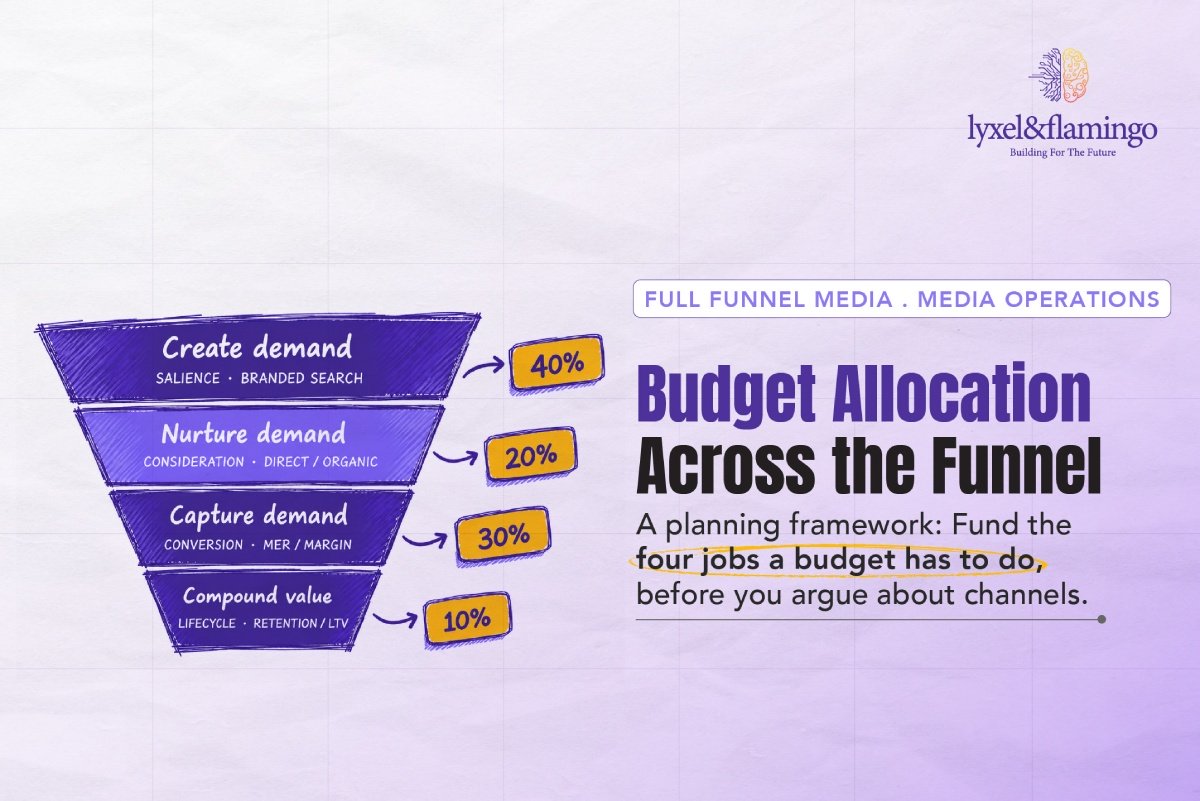
A structured influencer program usually distributes budget across multiple creator tiers rather than spending most of the budget on one large influencer.
| Creator Tier | Role | Budget Allocation | KPI |
| Nano | Conversion | 30% | Sales |
| Micro | Consideration | 30% | Engagement and traffic |
| Macro | Reach | 25% | Impressions |
| Mega | Awareness | 10% | Reach |
| AI / Virtual | Content scale | 5% | Content output |
This type of structure ensures that influencer marketing supports the entire funnel.
Final Strategic Insight
Influencer marketing is no longer only about content. It is about distribution, trust, and commerce.
The brands that are succeeding in influencer marketing are not the brands that work with the biggest influencers. They are the brands that build structured creator ecosystems. They work with multiple creator tiers, measure performance, integrate influencer activity with paid media and marketplaces, and treat influencer marketing as a long-term channel rather than a one-time campaign.
Influencer marketing should now be treated as part of media planning, performance marketing, and commerce strategy.
How Lyxel&Flamingo Helps Brands Build Influencer Ecosystems
Most influencer campaigns underperform because brands focus on creators instead of strategy. They select influencers based on follower count instead of audience relevance, content quality, and conversion potential.
Lyxel&Flamingo works with brands to build structured influencer programs that align with business goals.
This includes:
- Building a structured nano micro influencer strategy
- Creator selection based on audience quality and category relevance
- Campaign planning aligned with influencer campaign strategy
- Integration with social media marketing services
- Influencer commerce and social commerce planning
- Tracking and performance influencer marketing measurement
- Long-term creator partnerships and ambassador programs
The objective is to build a creator ecosystem that drives awareness, trust, and revenue, not just engagement.
Frequently Asked Questions
Influencer marketing in 2026 is driven by creator-led commerce, AI-assisted content production, and niche community creators who have higher trust and engagement compared to large influencers.
AI influencers are virtual digital characters used by brands for content and storytelling. They are useful for brand visibility and controlled messaging but usually less effective for direct conversions compared to human influencers.
A nano and micro influencer strategy focuses on working with smaller creators who have strong audience trust and engagement, which often leads to better conversion rates than large influencers.
Brands measure influencer ROI using tracked links, creator codes, attributed sales, website traffic, and increase in branded search rather than only engagement metrics.
Influencer marketing is now used for both awareness and direct sales, especially through affiliate links, creator storefronts, and social commerce platforms.