
Every business dreams of turning website visitors into loyal customers, but the reality is often different. Traffic may be flowing in, yet conversions remain stagnant, leaving growth potential untapped. That’s where a conversion funnel audit becomes indispensable. By systematically examining each stage of your sales journey, a sales funnel audit or marketing funnel audit uncovers hidden drop-offs, friction points, and opportunities for optimisation.
In this guide, we’ll explore practical funnel audit strategies, step-by-step analysis techniques, and real-world examples that help you transform insights into action. If you’re ready to explore the unseen gaps in your conversion journey and unlock higher ROI, this blog is your roadmap.
Conversion Funnel Analysis In A Nutshell
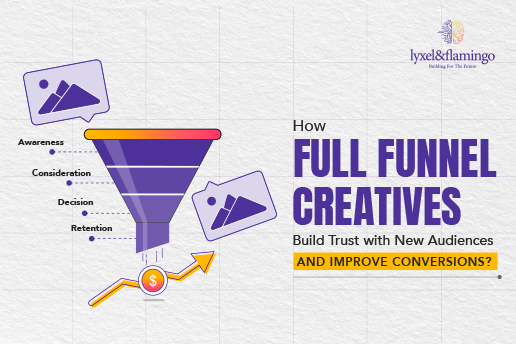
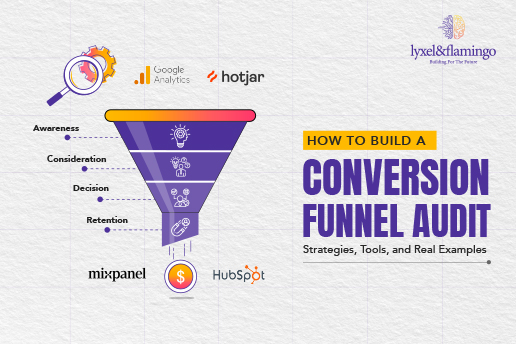
Before diving into the steps of a conversion funnel audit, it’s important to understand what a conversion funnel actually is. At its core, a funnel maps the journey your audience takes, from first awareness of your brand to becoming a loyal customer. Typically, this journey includes four key stages:
- Awareness: When potential customers first discover your brand or product.
- Consideration: When they evaluate your offerings against competitors or explore solutions.
- Decision: When they take action, such as making a purchase or signing up.
- Retention: When they return for repeat purchases, subscriptions, or referrals.
A sales funnel audit or marketing funnel audit examines each of these stages to identify where prospects are dropping off, which steps are causing friction, and where there’s untapped opportunity for growth. For instance, if your website receives high traffic but few newsletter sign-ups, the drop-off is likely in the awareness or consideration stage. Similarly, high cart abandonment signals friction at the decision stage.
By conducting a conversion optimisation audit, you don’t just rely on analytics; you gain insights into user behavior, intent, and friction points. This understanding becomes the foundation for practical funnel audit strategies that can dramatically improve conversion rates. Visualising your funnel with drop-off points can make these insights even clearer, showing exactly where to focus your optimisation efforts.
A well-analysed funnel isn’t just a roadmap; it’s a growth engine that turns data into actionable strategies and maximises your marketing ROI.
How To Analyse Your Conversion Funnel: Step-by-step
Conducting a conversion funnel audit doesn’t have to be overwhelming. By following a structured approach, you can uncover friction points, optimise conversions, and maximise ROI.
Here’s a detailed, step-by-step guide, complete with examples from global brands that have mastered their funnels.
Step 1: Map Your Funnel Clearly
Begin by documenting every stage of your customer journey, from initial awareness to purchase and retention. Identify micro-conversions like newsletter sign-ups or app installs, and macro-conversions such as purchases or subscription upgrades.
HubSpot meticulously maps its lead generation and nurturing process. This clear funnel mapping ensures no leads are lost and forms the foundation of their sales funnel audit.
Step 2: Collect the Right Data
Next, gather actionable data using tools such as Google Analytics, Mixpanel, Hotjar, or CRM dashboards. Track metrics like bounce rates, click paths, session recordings, and attribution to understand user behavior at each stage.
Airbnb collects detailed behavioral data at every step, from search to booking. Insights from this conversion optimisation audit allow them to improve UX and increase completed bookings.
Step 3: Identify Drop-Offs and Bottlenecks
Analyse the data to pinpoint stages where users abandon the funnel. High drop-off rates reveal friction that needs attention.
Amazon noticed cart abandonment due to complex checkout forms. Simplifying the process with one-click ordering and saved payment methods optimised their marketing funnel audit and significantly boosted conversions.
Step 4: Assess User Experience and Messaging
Evaluate landing pages, calls-to-action, page speed, and messaging to ensure alignment with user intent at each stage.
Spotify enhanced its trial-to-paid subscription conversions by auditing onboarding flows and refining in-app messaging, personalised playlists, and prompts. Their conversion funnel audit improved engagement and retention.
Step 5: Benchmark and Compare
Compare your funnel performance against past campaigns, competitors, or industry benchmarks to identify realistic opportunities for improvement.
Netflix continuously benchmarks sign-up flows and content engagement, testing different layouts, recommendations, and messaging to improve trial-to-paid conversions.
Step 6: Recommend, Test, and Iterate
Finally, implement changes and continuously test improvements. Use A/B testing, personalisation, and retargeting to optimise each stage.
Many Shopify merchants audit product pages, checkout flows, and email campaigns. Using insights from funnel audit strategies, they run A/B tests and optimise conversions while scaling campaigns effectively.
By following these steps, your conversion funnel audit transforms raw data into actionable insights, helping you enhance the entire customer journey, improve ROI, and build a scalable growth engine. These brands demonstrate that systematic funnel analysis isn’t just a best practice; it’s a competitive advantage.
Essential Tools for a Successful Conversion Funnel Audit
A thorough conversion funnel audit relies not only on strategy and insights but also on the right set of tools to measure, analyse, and optimise each stage of your customer journey.
Using the right tools ensures your sales funnel audit or marketing funnel audit is data-driven, actionable, and effective.
- Google Analytics 4
Track user behavior, traffic sources, bounce rates, and conversion metrics. GA4 helps you map your funnel stages and identify drop-offs with precise data, making it a cornerstone of any conversion optimisation audit.
- Hotjar / Crazy Egg
These heatmap and session recording tools reveal how users interact with your pages. By observing clicks, scrolls, and navigation patterns, you can spot friction points that analytics alone might miss.
- Mixpanel / Amplitude
For product-led businesses and SaaS, these tools provide detailed insights into user journeys, retention, and cohort behavior. They allow you to track micro-conversions and optimise the decision and retention stages of your funnel.
- CRM Platforms (HubSpot, Salesforce, Zoho)
CRMs help monitor leads and customer interactions across multiple touchpoints. Integrating CRM data into your marketing funnel audit ensures alignment between marketing campaigns and actual sales outcomes.
- A/B Testing & Personalisation Tools (Optimizely, VWO, Google Optimize)
These platforms enable experimentation with landing pages, CTAs, email campaigns, and user flows. Testing different variations helps refine your funnel audit strategies for higher conversions.
- Funnel Visualisation Tools (Funnelytics, Lucidchart)
Visual mapping tools allow you to create a clear representation of your entire funnel. This visualisation makes it easier to identify bottlenecks and communicate insights to your team.
- Analytics Integrations & Dashboards (Tableau, Google Data Studio)
Dashboards combine data from multiple sources, providing a comprehensive view of your funnel’s performance. This holistic perspective is crucial for an effective sales funnel audit.
By leveraging these tools in your conversion funnel audit, you can move beyond assumptions, uncover hidden opportunities, and implement funnel audit strategies that drive measurable results. Remember, the right tools paired with strategic insights ensure your funnel remains optimized, scalable, and future-ready.
Benefits Of Analysing Your Conversion Funnel
Conducting a conversion funnel audit offers far more than just insights; it provides measurable business advantages that can transform the way you engage with your audience and drive growth.
Here’s why analysing your funnel is a game-changer:
- Boosted Revenue and ROI
Optimising every stage of your funnel ensures that more visitors convert into paying customers, maximising the return on your marketing spend.
Amazon noticed friction during checkout and introduced one-click ordering along with saved payment methods. These improvements, driven by a thorough conversion optimisation audit, significantly increased conversions and revenue from existing traffic.
- Enhanced Customer Experience
A funnel audit highlights friction points in the customer journey, allowing you to create smoother, more intuitive experiences.
Spotify analysed its onboarding and trial-to-paid subscription funnel. By refining messaging, simplifying sign-ups, and introducing personalised playlists, they improved engagement and retention, a clear result of a comprehensive marketing funnel audit.
- Data-Driven Decision Making
With actionable insights from a funnel audit, businesses can move beyond guesswork, making informed decisions for marketing, UX, and product strategies.
Airbnb continuously monitors its booking flow. Data from their sales funnel audit informs tests on page layouts, search filters, and messaging, ensuring every improvement is backed by user behavior insights.
- Scalability and Sustainable Growth
Once optimised, funnels can handle higher traffic and larger campaigns without sacrificing efficiency, supporting sustainable business growth.
Shopify merchants use analytics to identify drop-offs in product pages and checkout processes. By applying funnel audit strategies, they scale campaigns confidently while maintaining strong conversion rates.
- Competitive Advantage
Companies that proactively analyse and optimise their funnels convert prospects more effectively, staying ahead of competitors.
Netflix continually audits its sign-up, trial, and content engagement funnels. By optimising the trial-to-paid conversion process, they maintain a competitive edge in the highly crowded streaming market.
A well-executed conversion funnel audit not only identifies opportunities but also provides a blueprint for action. When combined with targeted funnel audit strategies, these insights can turn potential drop-offs into revenue, improve customer satisfaction, and drive long-term growth.
Future-Proof Your Funnels with Lyxel&Flamingo’s Conversion Audit Expertise
Optimising your funnel isn’t a one-time task; it’s a continuous journey of testing, refining, and evolving. That’s where Lyxel&Flamingo comes in. With deep expertise in conversion funnel audits, sales funnel audits, and marketing funnel audits, our team helps you identify hidden friction points, unlock growth opportunities, and implement effective funnel audit strategies tailored to your business.
Whether it’s improving conversions, enhancing customer experience, or maximising ROI, we provide actionable insights and hands-on support to ensure your funnels are always performing at their best. By partnering with us, you’re not just optimising your current funnel; you’re future-proofing your marketing strategy, staying ahead of competition, and setting your business up for scalable, sustainable growth.
Take the next step in transforming your customer journey and driving measurable results. Let Lyxel&Flamingo guide your conversion funnel audit and turn insights into growth.
FAQs
Q. What is the difference between a conversion funnel audit and a sales funnel audit?
A.The conversion funnel audit focuses on the entire customer journey, while the sales funnel audit zooms in on lead nurturing and closing.
Q. How often should I run a marketing funnel audit?
A.Ideally, once every quarter, or after major campaigns.
Q. Which tools are best for funnel audit strategies?
A.Google Analytics 4, Hotjar, Mixpanel, HubSpot, and Optimizely.
Q. Can a conversion optimisation audit work for small businesses?
A.Yes, even a simple review of touchpoints can dramatically improve conversions.