
Table of Contents
- Why Channel-Led Media Planning Is Losing Effectiveness
- Moving from Channels to Cohorts in Media Strategy
- What cohort-based planning looks like in practice
- Why cohorts create stronger alignment
- Designing Media Strategies Around Digital Audiences
- From static segments to adaptive cohorts
- Media Strategy Optimisation Through Audience Signals
- Optimising for audience progression
- Balancing efficiency and effectiveness
- Full-Funnel Thinking in Audience-First Planning
- Connecting awareness to outcomes
- Using Data to Inform Audience-Led Decisions
- Turning data into audience understanding
- Planning Audience-First Media Campaigns for 2026
- Channel vs Cohort Thinking: A Strategic Shift
- Cohort Segmentation and Modern Media Performance
Media planning is becoming harder, not because channels are disappearing, but because audiences no longer behave in linear ways. Campaigns planned channel by channel often struggle to deliver consistency, efficiency, or long-term impact. This shift is why audience-first media strategies are becoming central to how brands prepare for 2026.
Audience-led planning allows brands to plan for change. Platforms evolve, algorithms shift, and formats rise and fall. Audiences, however, tend to follow more consistent behavioural patterns. Designing media strategies around those patterns helps future-proof planning cycles that extend into 2026 and beyond.
Lyxel&Flamingo has seen a growing gap between how media is planned and how audiences actually move across platforms. Brands that continue to optimise channels in isolation risk missing the bigger picture. Planning around audiences rather than placements is now essential for relevance and performance. As buying journeys fragment across devices, platforms, and moments, media strategies anchored in audience behaviour provide greater stability than those anchored in media inventory.
Why Channel-Led Media Planning Is Losing Effectiveness
Channel-based planning once worked because user journeys were predictable and media environments were less fragmented. A single exposure path could often be tracked from awareness to conversion. That context no longer exists. Audiences now move fluidly between platforms, devices, and content formats, often within the same decision window. Exposure on one platform can influence behaviour on another without leaving a clear attribution trail.
This has made it increasingly difficult for channel-led strategies to deliver clarity or sustained results. Marketers may see strong performance in one channel while overall outcomes stagnate. In many cases, channels appear to compete with each other rather than work together.
Channel-led planning also encourages short-term optimisation. Budgets are frequently reallocated based on immediate performance signals, even when those signals fail to represent the full impact of media exposure across the journey.
The limitations of channel silos
Planning by channel often leads to:
- Fragmented messaging
- Duplicated reach
- Inconsistent frequency control
- Conflicting performance signals
These limitations become more pronounced as platforms compete for credit rather than contribute to shared outcomes. This challenge is driving greater interest in channel-to-cohort marketing, where planning begins with people rather than placements.
When teams operate in channel silos, messaging often lacks continuity. Audiences may see different value propositions depending on where they engage, weakening brand recall and trust. Frequency also becomes difficult to manage, leading either to underexposure or fatigue.
Moving from Channels to Cohorts in Media Strategy
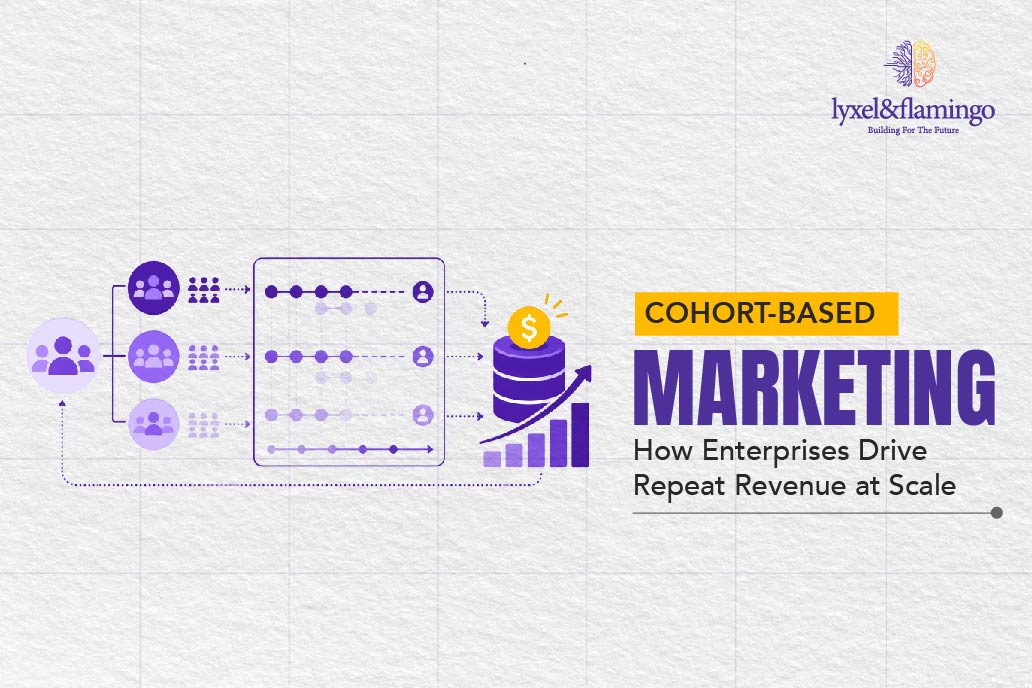
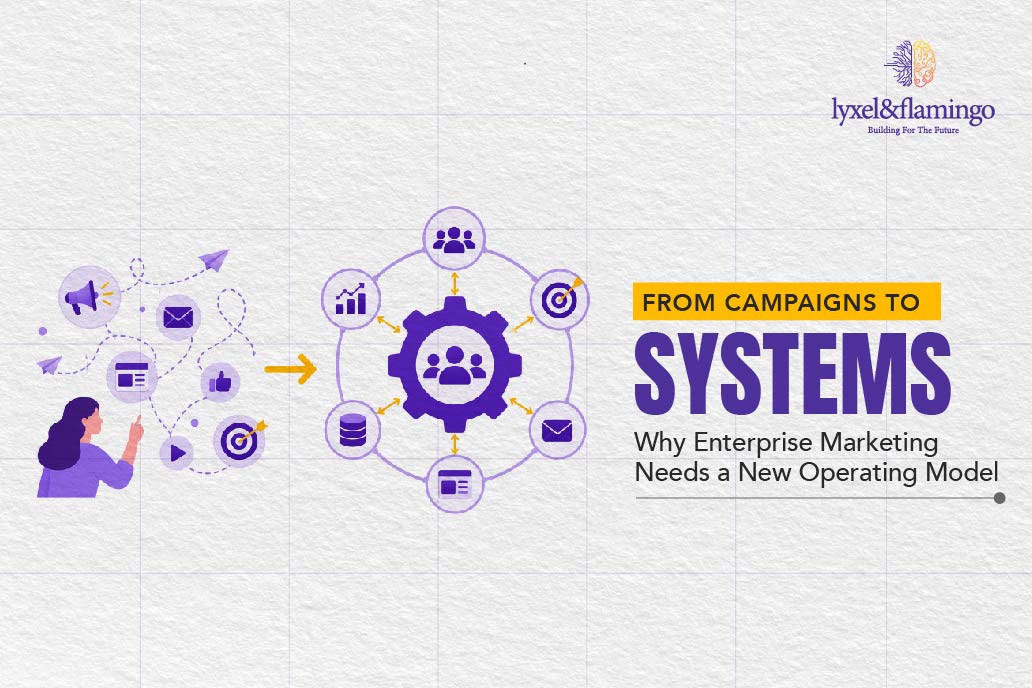
Cohort based thinking shifts the focus from where ads appear to who they are designed for. Instead of optimising individual channels in isolation, marketers group audiences by shared characteristics and behaviours. This reframes media planning around human behaviour rather than platform mechanics, enabling more meaningful and effective decisions.
By adopting channel-to-cohort marketing, brands can design media journeys that remain consistent even as execution spans multiple platforms. Cohorts act as a stable planning layer that sits above channels.
This approach aligns planning more closely with real user journeys and reduces the need for constant budget reallocation between channels based on short-term fluctuations.
What cohort-based planning looks like in practice
In cohort-based planning 2026, audiences are grouped by factors such as intent, lifecycle stage, or value potential. Media is then structured to support how each cohort moves from awareness to conversion, rather than treating each touchpoint as a standalone opportunity.
For example, a high-intent cohort may receive fewer but more direct messages, while an early-stage cohort may be exposed to educational or contextual content over a longer period. The focus shifts from volume to progression.
This enables messaging, sequencing, and investment decisions to adapt based on audience needs rather than channel mechanics. It also reduces duplication, as the same cohort is not unknowingly targeted across platforms without coordination.
Why cohorts create stronger alignment
Cohorts provide a shared reference point across teams. Media, creative, and analytics functions can align around the same audience definitions, reducing fragmentation and improving accountability. Conversations move away from “which channel performed best” towards “which audience moved forward”.
This structure also supports clearer evaluation, as performance is assessed at the audience level rather than through isolated channel reports. It becomes easier to understand which groups are responding, stalling, or disengaging.
Designing Media Strategies Around Digital Audiences
Audience-first planning depends on how effectively audiences are defined and understood. Weak segmentation often results in broad targeting and inefficient spend, while thoughtful segmentation supports relevance and scale.
This makes digital audience segmentation a core planning capability rather than a tactical exercise limited to activation.
Poor segmentation leads to wasted impressions and generic messaging. Strong segmentation allows brands to deliver messages that reflect audience context, intent, and readiness.
Building meaningful audience segments
Effective segmentation typically considers:
- Behavioural patterns
- Engagement signals
- Lifecycle stages
- Value or propensity indicators
Segments must remain large enough to activate across platforms, while still being specific enough to guide messaging and budget decisions. The objective is not perfect accuracy, but practical usefulness.
Segmentation should also be reviewed regularly. Audience behaviour evolves, and static definitions can quickly lose relevance if not reassessed.
From static segments to adaptive cohorts
Modern audience planning avoids fixed segments that remain unchanged. Instead, cohorts evolve as users interact with content, products, and media over time. This reflects the reality that intent is rarely static.
Adaptive cohorts allow brands to respond to signals such as repeat engagement, declining interest, or increased consideration. This flexibility supports relevance without requiring constant structural changes to the media plan.
Media Strategy Optimisation Through Audience Signals
Optimisation is no longer about shifting budgets between channels based on short-term performance alone. Audience-led strategies require a broader understanding of progression, reinforcement, and cumulative exposure.
This is where media strategy optimization becomes a strategic discipline rather than a reactive task driven by weekly reporting cycles.
Audience signals provide context that channel metrics often lack. They show how exposure contributes to momentum rather than isolated outcomes.
Optimising for audience progression
Rather than asking which channel performed best, teams assess how cohorts move through the funnel. This includes:
- Exposure sequencing
- Message reinforcement
- Time-based engagement patterns
These signals help refine strategy without overcorrecting based on incomplete data. They also reduce the risk of optimising away upper-funnel activity that supports long-term performance.
Balancing efficiency and effectiveness
Audience-based optimisation supports efficiency by reducing duplication and improving frequency control. At the same time, it enhances effectiveness by aligning messaging with audience context.
This balance is increasingly important as media budgets face scrutiny and stakeholders demand clarity on how investment drives outcomes.
Full-Funnel Thinking in Audience-First Planning
Audience-first strategies naturally support full-funnel media planning, as cohorts are mapped across awareness, consideration, and conversion stages. This creates continuity between brand-building and performance activity.
It also encourages teams to evaluate success based on progression rather than single-touch results.
Connecting awareness to outcomes
By tracking how cohorts respond over time, marketers gain visibility into which audiences convert, which stall, and which require additional support. This perspective highlights the contribution of early-stage activity that may otherwise be undervalued.
This strengthens full-funnel growth tactics by linking early exposure to downstream performance rather than treating funnel stages in isolation.
Using Data to Inform Audience-Led Decisions
Audience-first planning relies on insight rather than assumptions. Data must support understanding, not overwhelm it. When data is reviewed without context, it often reinforces existing bias rather than revealing behaviour.
This is where data-driven marketing insights become valuable when they reflect real audience behaviour rather than isolated channel metrics.
Turning data into audience understanding
Rather than reviewing disconnected performance indicators, teams focus on patterns across cohorts. These patterns reveal how audiences engage, drop off, or progress over time.
Over time, this leads to audience segmentation insights that help teams adjust messaging and investment, instead of simply describing past performance.
While data enables precision, excessive segmentation can dilute impact. Successful strategies balance granularity with scale to ensure cohorts remain actionable and sustainable.
Planning Audience-First Media Campaigns for 2026
As planning cycles extend, marketers are asking how to plan audience-first media campaigns in 2026 without adding unnecessary complexity. The answer lies in structure rather than additional tools. Clear audience definitions, aligned metrics, and shared objectives help teams execute consistently across platforms while retaining flexibility.
Planning in this way also supports better forecasting, as performance expectations are tied to audience behaviour rather than volatile channel metrics.
Channel vs Cohort Thinking: A Strategic Shift
As discussions around channel vs cohort marketing strategies explained become more common, the distinction lies in planning logic. Channels prioritise placement efficiency, while cohorts prioritise audience outcomes.
This shift supports more resilient strategies in an increasingly fragmented media environment, where reliance on any single platform introduces risk.
Cohort Segmentation and Modern Media Performance
Effective cohort segmentation for digital marketing allows brands to respond to changing behaviour without rebuilding plans from scratch. Cohorts provide continuity while allowing flexibility in execution.
This makes them particularly valuable for longer planning horizons, where stability and adaptability must coexist.
Optimising Media Strategy for Modern Audiences
When teams focus on optimizing media strategy for modern audiences, success is measured by progression and consistency rather than isolated performance wins.
Audience-first planning supports this by aligning media, messaging, and measurement around the same audience groups, reducing internal friction and improving clarity.
Conclusion
As media environments grow more complex, planning models must evolve. Channel-led strategies struggle to reflect how audiences actually behave, leading to inefficiencies and missed opportunities.
By adopting audience-first media strategies, brands can align planning with real user journeys, improve clarity, and support sustainable growth. Lyxel&Flamingo approaches this shift with a focus on audience understanding, structured planning, and long-term value rather than short-term channel optimisation. For 2026 and beyond, cohorts, not channels, will define effective media strategy.
Frequently Asked Questions
An audience-first media strategy plans campaigns around defined audience groups rather than individual channels. It focuses on behaviour, intent, and progression across the funnel, allowing messaging and media investment to align more closely with how people actually move between platforms.
Cohorts improve planning by grouping audiences with shared characteristics or behaviours. This creates consistency across media, creative, and measurement, reduces fragmentation, and helps teams evaluate performance based on audience movement rather than isolated channel results.
Channels should be rethought because audiences no longer engage in predictable, linear paths. Planning purely by channel often leads to duplicated reach and inconsistent messaging, whereas audience-led approaches better reflect real media consumption patterns.
Marketers can segment audiences by combining behavioural signals, lifecycle stages, and value indicators. Effective segmentation balances precision with scale, ensuring cohorts are actionable, measurable, and suitable for activation across multiple platforms.
Cohort-based campaigns improve relevance, reduce wasted spend, and support clearer measurement across the funnel. They help align media delivery with audience needs while enabling more consistent optimisation over time.