
In today’s data-driven world, Return on Investment (ROI) isn’t just a metric; it’s the guiding star for every marketing decision. Whether you are a startup looking to drive awareness or a seasoned enterprise aiming to scale conversions, choosing the right advertising platform can make or break your strategy.
Two of the most dominant players in PPC advertising in digital marketing, Google Ads and Facebook Ads, often end up in a head-to-head comparison. And for good reason: Both offer massive reach, precision targeting, and measurable performance. But here’s the truth: They serve different purposes, engage different user mindsets, and excel in different parts of the marketing funnel.
At Lyxel&Flamingo, we believe in exploring possibilities and making decisions rooted in insight. This blog breaks down both platforms not just by features, but by how they function strategically.
Let’s begin the journey where curiosity meets conversion.
What Is Google Ads?
Google Ads is Google’s paid advertising platform, designed to help businesses connect with users at the exact moment they’re searching for a product, service, or solution. It’s rooted in intent-based marketing, which means your ads appear when people are actively looking for something you offer.
At its core, Google Ads gives you access to the entire Google ecosystem:
- Search Network – Text ads appear on Google’s search engine results page (SERP) based on keywords.
- YouTube Ads – Video ads that engage viewers on one of the most visited platforms globally.
- Shopping Ads – Product-based ads that showcase your inventory to users searching with purchase intent.
- Local & App Campaigns – Ads tailored to drive store visits or app installs.
What sets it apart is Google Ads transparency. You can track every click, impression, and conversion on your site with precision. With tools like GA4 and conversion tags, Google Ads ROI becomes a measurable and scalable metric, especially for lead-gen or high-intent e-commerce campaigns.
At Lyxel&Flamingo, we see Google Ads as a compass. It doesn’t just follow the customer journey; it aligns your brand with their intent. And when used strategically, it turns every search into a potential sale.
What Is Facebook Ads?
Facebook Ads (now under the Meta Ads umbrella) is a powerful advertising platform that allows businesses to reach users based on who they are, not just what they’re searching for. Unlike Google Ads, which captures intent, Facebook Ads taps into interest, behavior, and lifestyle targeting, making it a discovery-driven platform.
The Facebook Ads ecosystem includes:
- Facebook Feed Ads – Highly visual ads appearing as native content in users’ feeds.
- Instagram Ads – Integrated visual storytelling on a visually-led platform.
- Messenger Ads – One-on-one ad experiences within chat.
- Stories & Reels – Vertical, immersive formats for fast, engaging interaction.
- Audience Network – Extend your ads beyond Meta to apps and websites.
Meta Ads features empower brands to target based on:
- Demographics (age, gender, location, job title)
- Interests and hobbies
- Purchase behavior and device usage
- Custom audiences (retargeting website visitors or app users)
- Lookalike audiences to scale your reach
It’s the ideal platform for building awareness, creating demand, and driving emotional engagement, especially through compelling visuals and storytelling. Whether you’re launching a new product or nurturing top-of-funnel engagement, Facebook Ads lets you influence users before they even know they need your solution.
Facebook Ads act as a canvas for digital creativity and connection, a place where your brand story meets the right audience at just the right scroll.
Google Ads Vs Facebook Ads
When evaluating Facebook Ads and Google Ads, it’s not a matter of which platform is better, but rather which aligns more closely with your business goals, audience behavior, and campaign objectives.
Both platforms dominate in their domains: Google captures intent, while Facebook creates interest. Understanding their core differences helps marketers design smarter, more targeted strategies.
Here’s how they stack up across key dimensions:
| Feature | Google Ads | Facebook Ads |
| User Intent | High (users actively search for solutions) | Low to medium (users are passively browsing) |
| Ad Format | Text-based search ads, display banners, shopping & video ads | Visual formats including images, carousels, reels, stories, and videos |
| Audience Targeting | Keyword-based targeting, remarketing, demographic filters | Interest, behavior, custom audiences, and lookalikes |
| Platform Reach | Google Search, YouTube, Display Network, Gmail | Facebook, Instagram, Messenger, Audience Network |
| Best Use Case | Driving immediate conversions or capturing demand | Building brand awareness, nurturing engagement, and retargeting |
This comparison isn’t about declaring a winner; it’s about understanding their unique strengths within the broader PPC advertising spectrum. Think of Google Ads as the tool for capturing demand, and Facebook Ads as the tool for creating it.
Key Differences That Set Google Ads and Facebook Ads Apart
While both Facebook Ads and Google Ads are pillars of modern digital marketing, they operate on fundamentally different principles. To choose or combine them wisely, it’s essential to understand where they diverge, not just in platform mechanics, but in how they influence the user journey.
Here are five key differences that every ROI-focused marketer should explore:
1. Audience Intent: Discovery vs. Demand Capture
- Google Ads is built around search intent. Users are actively looking for something (answers, products, services), which means they’re closer to conversion.
- Facebook Ads, on the other hand, reach users while they’re browsing. It’s discovery-based, sparking interest in products or services they weren’t actively seeking.
Google is your map to those searching for you; Facebook is the trail that leads new audiences to your brand.
2. Targeting Approach: Keywords vs. Audience Personas
- Google Ads targets based on keywords and search queries, offering precision in intent but limited depth in user behavior.
- Facebook Ads uses demographic, psychographic, and behavioral data: interests, life events, and purchase history to build complex audience profiles.
While Google connects with the what, Facebook connects with the why behind a user’s actions.
3. Ad Formats: Functional vs. Visual Storytelling
- Google primarily relies on text-based search ads, product listings, and display banners.
- Facebook thrives on visual, immersive formats: images, videos, reels, carousels, and story ads that emotionally engage.
If Google Ads is about showing up in the right moment, Facebook Ads is about creating the moment.
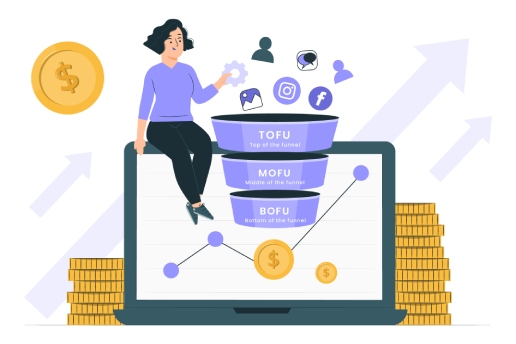
4. Funnel Position: Bottom vs. Top/Mid-Funnel
- Google is often a bottom-funnel powerhouse, excelling at conversion and lead-gen campaigns.
- Facebook is more effective in top and mid-funnel campaigns, nurturing awareness and consideration over time.
5. Learning Curve and Management
- Google Ads requires deeper knowledge of bidding strategies, keyword match types, and Quality Scores.
- Facebook Ads has a more visual interface but demands an understanding of creative performance, audience overlap, and funnel sequencing.
Both platforms require expertise, but the kind of expertise differs. One is data-driven, the other is behavior-driven.
At Lyxel&Flamingo, we help brands navigate these differences strategically, not to pick a side, but to build an ecosystem where both platforms work in harmony, aligned with your marketing goals and customer journey.
Which Is Better? The Strategic Answer
It’s the most common and most misleading question in performance marketing: “Which is better: Google Ads or Facebook Ads?”
The truth? There’s no universal winner. It all depends on your business, audience, and goals.
Choose Based on Intent, Not Just the Medium
- Need to convert high-intent users quickly?
Google Ads is ideal. It connects your business with audiences already in search of your offerings.
- Looking to build awareness, tell your story, or spark interest in a new product?
Facebook Ads excels. It helps you reach the right people before they even know they need you.
Each platform performs best at different stages of the customer journey. Google is often your closer, driving conversions at the bottom of the funnel. Think of Facebook as your conversation starter, introducing your brand and strengthening relationships before purchase decisions are made.
Think Strategy, Not Silo
At Lyxel&Flamingo, we don’t view these platforms as competitors. We see them as complementary tools in a well-architected digital strategy. Often, the highest ROI comes when you use both together, aligning Google for search intent and Facebook for demand generation.
So, which is better?
The one that matches your objective, your audience’s behavior, and your growth stage.
Using Google and Facebook Ads Together: A Smart Approach
Combining Google Ads and Facebook Ads can unlock higher ROI by covering the entire customer journey, from discovery to conversion.
To maximise Google Ads ROI and make the most of Meta Ads features, here’s a framework that smart brands follow:
- Build Awareness with Facebook
Use visually engaging ads on Facebook and Instagram to introduce your brand, spark interest, and drive traffic to your site.
- Retarget via Google Display & YouTube
Re-engage visitors with product-based ads across the Google Display Network or video ads on YouTube to stay top-of-mind.
- Capture Intent with Google Search
When users actively search for solutions, your brand appears via keyword-targeted Google Search Ads, primed for conversion.
- Share Learnings Across Platforms
Apply high-performing audience data and messaging insights from one platform to the other to optimise overall performance.
- Align Budgets with Funnel Stages
Invest more in Facebook for top-of-funnel reach and in Google for bottom-of-funnel conversions.
Use Facebook to create demand, Google to capture it, and data from both to refine your approach.
Tracking PPC Results: The ROI Lens You Need
Running paid campaigns is only half the story: tracking performance is where strategy turns into success. To truly understand whether your Google or Facebook ads are delivering ROI, you need to go beyond surface metrics and dive into what moves the needle.
Here’s how to approach PPC tracking like a pro:
1. Focus on the Right KPIs
Not all metrics are created equal. Prioritise data that reflects business impact:
- ROAS (Return on Ad Spend) – Revenue earned for every rupee spent
- CPA (Cost Per Acquisition) – What it costs to gain a customer or lead
- CTR (Click-Through Rate) – Engagement level of your ads
- LTV (Customer Lifetime Value) – Long-term value of acquired users
A high CTR doesn’t always mean high ROI. Optimise for what drives results, not just clicks.
2. Use Proper Conversion Tracking
Set up tools like:
- Facebook Pixel for on-site actions
- Google Ads Conversion Tags
- Google Analytics (GA4) for holistic tracking
This ensures you’re not guessing, you’re measuring.
3. Set Up UTM Parameters
Use UTM tags in your ad URLs to track source, medium, campaign, and content. It’s essential for attributing conversions in platforms like Google Analytics.
4. Implement Multi-Touch Attribution
Understand the full customer journey by tracking all the touchpoints, from first click to final conversion.
- Did they find out about you through Facebook and convert via Google?
- Did a YouTube retargeting ad seal the deal?
Attribution gives you the map of how your audience truly behaves, not just what the last click tells you.
5. Monitor, Learn, Iterate
Regularly review your performance dashboards, identify trends, and test improvements. Great PPC isn’t static; it’s a cycle of learning, refining, and scaling.
The ROI Mindset
Don’t just track metrics. Instead, translate them into meaning. Our PPC strategies are built around insights that guide action and deliver tangible results.
Because when you understand your data, you don’t just spend, you invest.
The Key Takeaway
At the end of the day, there’s no one-size-fits-all winner in the battle between Google Ads and Facebook Ads. Instead of choosing sides, savvy marketers choose strategy.
Here’s what truly matters:
- Google Ads helps you capture active intent: ideal for users already searching for your product or service. It’s great for bottom-of-the-funnel conversions and high-urgency needs.
- Facebook Ads shines when it comes to creating demand, engaging users based on interests, behaviors, and emotions. You can build brand awareness and nurture long-term relationships with this.
But the real power lies in using both together. When your brand appears at every stage of the customer journey, from the moment curiosity is sparked to the point of conversion, you maximise reach, impact, and ROI.
Let Wisdom Meet Curiosity in Your Next Campaign
At Lyxel&Flamingo, we don’t just place ads, we architect performance strategies. As a leading PPC advertising agency, we blend analytical precision with creative exploration to help brands outperform across platforms.
Whether you are weighing Google Ads vs. Facebook Ads, looking to amplify ROI, or ready to scale omnichannel PPC, we’ve got the insight and the curiosity to take you there.
Ready to explore what works best for your business? Let’s build a strategy that makes every click count.
FAQs
Q. Are Google Ads more costly than Facebook Ads?
A. Google Ads often have a higher cost-per-click due to keyword competition, but they can deliver stronger ROI for high-intent traffic. Facebook Ads typically offer lower CPCs and broader reach, especially for awareness campaigns.
Q. Which platform is better for B2B advertising?
A. Google Ads tends to perform better for B2B by capturing intent through industry-specific keywords. For B2B brands, Facebook Ads can still deliver impact in awareness and retargeting stages, provided they’re backed by relevant and engaging content.
Q. Can I start with less budget on both platforms?
A. Yes, both platforms support small budgets. You can scale based on performance. The key is to start with clear goals and optimise continuously.
Q. What industries benefit most from Google Ads? From Facebook Ads?
A. Google Ads works well for industries with high search intent like legal, healthcare, and e-commerce. Facebook Ads are ideal for visually-driven sectors like fashion, beauty, lifestyle, and consumer tech.