
Table of Contents
- Why Is Local Language Marketing Important in India?
- How Can Brands Create Effective Regional Language Campaigns?
- Which Digital Platforms Support Multilingual Marketing in India?
- How Does Local Language Marketing Improve Customer Engagement?
- What Are Examples of Successful Regional Language Campaigns in India?
- How Can AI Help Optimise Local Language Marketing Campaigns?
- What Metrics Measure the Success of Regional Language Advertising?
- What the Era of Regional Content Means for Brands, According to Lyxel&Flamingo
India is one of the most linguistically diverse markets in the world. With more than 22 official languages and hundreds of dialects, audiences interact with brands through cultural cues, emotional contexts and everyday communication patterns that differ widely from one region to another. As digital penetration deepens, the demand for content that feels personal, understandable and culturally aligned is stronger than ever.
This shift is reshaping how brands think about local language marketing in India, regional language advertising and multilingual marketing strategies across digital platforms. Today’s Indian consumer does not simply want a translated message; they want a brand that speaks their language, understands their identity and reflects their world.
At Lyxel&Flamingo, we work with brands across sectors that are expanding into regional markets and building large-scale localisation marketing campaigns. The growth is undeniable. Brands that adopt regional-first approaches consistently outperform generic campaigns on engagement, recall and conversion metrics. Below, we explore why this movement matters, how to operationalise it and what creative, AI-enabled possibilities now exist for marketers.
Why Is Local Language Marketing Important in India?
The rise of local language consumption is not merely a trend. It reflects deeper behavioural shifts across digital India.
1. Internet Growth Is Regional, Not Urban
Most new internet users in India come from tier 2, tier 3 and rural locations. These audiences prefer consuming content in their native language rather than English or Hindi.
Studies show that:
- Users are more likely to trust brands that communicate in their mother tongue
- Search queries in regional languages are growing faster than English queries
- Video and social content in regional languages outperform generic content in retention
2. Cultural Nuance Drives Trust
Regional audiences do not respond uniformly to the same narrative. Language is often tied to identity and cultural belonging. When content captures local idioms, humour, festivals and values, it builds instant connection.
3. Voice Search Is Fueling the Shift
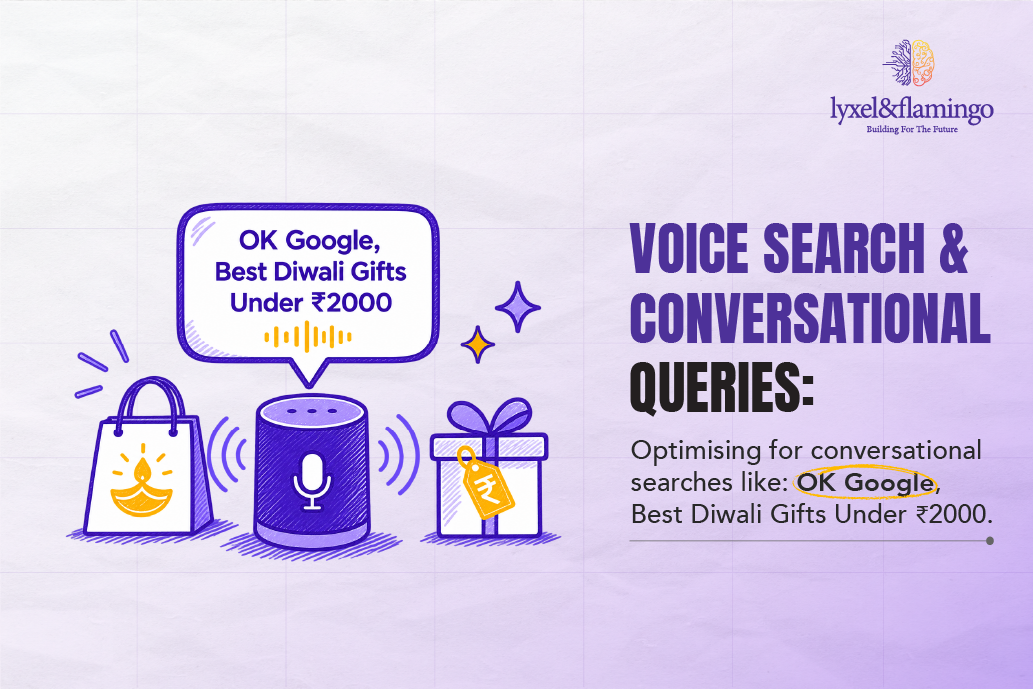
With voice-driven interfaces expanding across India, users now search in their native languages. This directly affects regional language content SEO, as brands must optimise for phonetics, diverse spellings and speech-led queries.
4. Emotional Relevance Increases Action
Research consistently shows that people engage, click, share and purchase more when the communication feels familiar. Local language content reduces cognitive load and increases intent.
Local language marketing in India is no longer an optional strategy. It is a cornerstone of relevance.
How Can Brands Create Effective Regional Language Campaigns?
Effective regional content requires more than translation. It demands contextual understanding and cultural sensitivity.
1. Build a Regional Audience Map
Start by identifying:
- Key priority states
- Preferred languages
- Cultural norms
- Festivals and regional events
- Local media habits
- Regional digital influencers
This forms the backbone of all regional marketing tactics.
2. Use Native Copywriters and Local Creators
Brands should avoid literal translation. Native writers instinctively know the tone, rhythm and socio-cultural layers that resonate with audiences. This is essential for regional content marketing in India.
3. Adapt Visual Language, Not Only Text
Localisation extends to:
- Colour palettes
- Clothing styles
- Background settings
- Food cues
- Festive symbols
Visual identity becomes stronger when it aligns with the region’s cultural language.
4. Craft Region-Specific CTAs
A simple line like “Order Now” may perform better when adapted to the native language, but regional CTAs should also match local behaviour patterns.
5. Build Multi-Format Stories
Regional audiences engage with:
- Short-form video
- Voice notes
- Memes
- Local festival content
- Vernacular influencer content
- Regional reels
Successful localisation is multi-format, not single-channel.
Which Digital Platforms Support Multilingual Marketing in India?
India’s digital platforms are increasingly structured to support multilingual marketing strategies.
1. Meta Platforms
Facebook and Instagram allow marketers to create multilingual ads and dynamic creative formats.
2. Google
Google Search, Google Ads and YouTube all support vernacular campaigns, including regional SEO, subtitles, voice search and ad customisation.
3. ShareChat and Moj
Massively popular among tier 2 and tier 3 audiences. Ideal for localised short videos.
4. Dailyhunt and Inshorts (Regional Editions)
Strong distribution for regional text and video content.
5. Ecommerce Marketplaces
Amazon, Flipkart and regional marketplaces allow regional language catalogue listings and product descriptions.
6. OTT Platforms
OTT services enable hyper-local storytelling and regional brand integrations.
Each platform contributes differently to India digital marketing in local languages, and the right mix depends on audience behaviour and campaign objectives.
How Does Local Language Marketing Improve Customer Engagement?
Brands that adapt to regional languages consistently see improvements across engagement metrics.
1. Higher Click-Through Rates
Users click more on ads written in their native language because messaging feels direct.
2. Longer Watch Times
Regional video content retains attention better, especially on YouTube and Instagram Reels.
3. Increased Social Sharing
People share content that reflects their culture and identity.
4. Better Conversion Rates
When a product description or ad speaks in a familiar tone, the psychological distance from decision-making reduces.
5. Stronger Brand Recall
Brand perception improves when users feel “this brand gets me”.
This is why localisation has become a strategic requirement, not just a creative preference.
What Are Examples of Successful Regional Language Campaigns in India?
Several brands have leveraged regional language advertising to scale across diverse markets.
1. Swiggy Instamart
Hyper-local festival ads in Tamil, Bengali and Marathi helped the brand build regional relevance.
2. Amazon
Amazon’s “Apni Dukaan” campaign used multi-language storytelling to connect with sellers across India.
3. Zomato
Regional memes and witty copy created massive engagement across state-wise audience groups.
4. PhonePe
Launched product explainers in 11 languages, leading to higher adoption in non-metro states.
5. Unicode Regional Content for Elections
Political campaigns often dominate regional platforms because local language persuasion works more effectively.
These examples demonstrate the power of cultural fluency in digital marketing.
How Can AI Help Optimise Local Language Marketing Campaigns?
AI has become instrumental in scaling content localisation and regional campaign execution.
1. Automated Translation with Local Refinement
AI tools can generate base translations, which human writers then refine to maintain cultural authenticity.
2. Voice and Speech-Based Search Insights
AI analyses regional search patterns, phonetic variations and regional spellings that influence SEO.
3. Hyper-Local Audience Segmentation
Machine learning identifies behaviour clusters based on language preference, geography and cultural cycles.
4. AI-Generated Creative Variations
Brands can produce multiple versions of:
- Banners
- Captions
- Voiceovers
- Regional landing pages
This reduces production costs and speeds up experimentation.
5. Performance Prediction Models
AI helps predict which regional creatives are most likely to perform well before launching campaigns.
AI does not replace cultural understanding, but it dramatically enhances efficiency within regional content workflows.
What Metrics Measure the Success of Regional Language Advertising?
Evaluating impact requires a mix of quantitative and qualitative metrics.
Core Digital Metrics
- CTR and CPC
- Engagement rate
- Video completion rate
- Region-wise conversion rate
- Bounce rate on local pages
SEO Metrics for Regional Content
- Ranking of translated or localised pages
- Voice search impressions
- Local keyword performance for regional language content SEO
- Growth in regional organic traffic
Brand-Led Metrics
- Brand recall in regional markets
- Sentiment analysis in regional conversations
- Share of voice in vernacular channels
Operational Metrics
- Speed and cost of producing multilingual assets
- Creative testing cycles
- Efficiency of localisation workflows
At Lyxel&Flamingo, we also evaluate the creative resonance of regional content during campaign reviews to understand cultural fit and emotional impact.
What the Era of Regional Content Means for Brands, According to Lyxel&Flamingo
India’s digital economy is entering a phase where scale and cultural sensitivity must work together. Local language strategy is no longer a secondary add-on; it is a central pillar of brand communication.
Brands that succeed in the coming years will be those that:
- Build systems for continuous localisation
- Invest in culturally relevant storytelling
- Strengthen internal governance for multilingual content
- Use AI responsibly to scale content production
- Measure impact region by region, not as a single market
At Lyxel&Flamingo, we support brands in designing regional-first strategies, building operational frameworks for multilingual content and shaping creative ideas that truly connect with India’s diverse audiences.
Start with clarity on who you are speaking to. Then craft stories that belong to them.
That is where localisation becomes an impact!
Frequently Asked Questions
It increases relevance, trust and engagement, especially among new internet users who prefer consuming content in their native languages.
Use native writers, culturally aligned visual language, local influencers and region-specific messaging frameworks.
Meta, Google, ShareChat, Moj, YouTube, OTT platforms and regional news apps all support multilingual formats.
It increases click-through rates, watch times, social sharing, conversions and brand recall.
CTR, engagement rates, keyword performance, regional SEO rankings, sentiment analysis and conversion data.